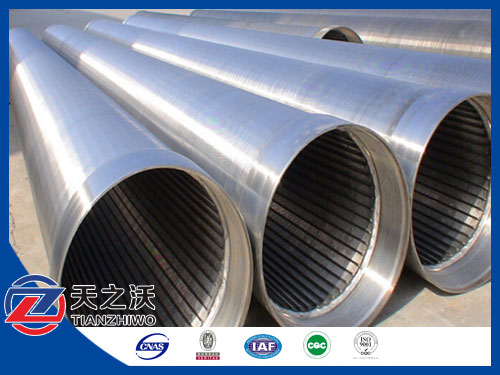
Drainage Devices
Source industrial drainage devices directly from vetted manufacturers and suppliers. Designed for importers, distributors, and procurement managers in the oilfield and mineral equipment sectors, our wholesale and OEM/ODM production services ensure high-pressure reliability, precise material compliance, and scalable fulfillment.
Sourcing drainage devices for oilfield and mineral extraction applications—such as high-pressure liquid drainers, automatic condensate traps, and blowdown valves—requires strict adherence to metallurgical and pressure-containment standards. A failure in a gas-liquid separation line or storage tank drain does not just halt production; it creates significant safety and environmental liabilities. When buying in bulk or developing custom fluid-control solutions, success depends on partnering with manufacturers capable of precision machining, certified casting, and rigorous non-destructive testing (NDT).
Specifying Drainage Devices for Heavy Industry
Procurement in the oil and gas sector demands exact specifications. Generic "water drains" do not apply here; buyers are sourcing engineered devices designed to handle multiphase fluids, abrasive particulates, and highly corrosive environments.
When establishing your technical requirements with a factory, standardizing the following parameters is critical:
| Specification | Standard Oilfield Applications | High-Pressure / Sour Gas Environments |
|---|---|---|
| Body Material | Carbon Steel (WCB), SS304 | SS316/316L, Duplex Stainless, Inconel |
| Pressure Rating | Up to 1,500 psi (ASME Class 600) | Up to 10,000+ psi (API 10K) |
| Seal & Trim Material | PTFE, FKM (Viton) | PEEK, Stellite-faced, Metal-to-Metal |
| Connections | NPT, Socket Weld | ANSI Flanged, API Hubs, RTJ |
For brands requiring proprietary dimensions or specialized connection standards, leveraging OEM/ODM Services allows you to dictate exact flange facings, face-to-face dimensions, and custom trim materials directly at the foundry level.
Factory Floor Realities: Where Quality is Won or Lost
The difference between a reliable supplier and a high-risk vendor usually comes down to their internal quality management and testing infrastructure. Many factories can cast a carbon steel valve body, but fewer can machine the internal trim to the tolerances required for zero-leakage at high pressures.
Securing reliable pressure testing and material verification requires on-the-ground oversight. Let our team manage the technical vetting.
Discuss your QC requirementsCritical Manufacturing Checkpoints
- Material Integrity: Counterfeit or off-spec steel is a persistent risk. Ensure the factory performs Positive Material Identification (PMI) on raw castings before machining begins.
- Machining Tolerances: The seating surfaces for metal-to-metal seals require high-precision CNC machining. Poor surface finish leads directly to premature seal failure and bypass leakage.
- Hydrostatic Testing: Every single unit—not just a statistical sample—must undergo hydrostatic shell and seat testing (typically to API 598 or ASME B16.34 standards) before painting and packaging.
Validating a supplier's in-house testing equipment is a critical part of comprehensive Factory Audits. If a factory outsources its pressure testing, your risk of receiving defective units increases exponentially. Implementing rigorous Quality Control & Inspection at the factory ensures these tests are performed correctly and documented before the shipment is authorized.
Typical Pricing Drivers, MOQs, and Lead Times
Cost in this category is heavily dictated by raw material markets, pressure class, and testing requirements. High-pressure API-rated devices command a significant premium over standard ASME Class 150/300 components due to the sheer volume of metal required for the wall thickness and the complexity of the internal trim.
Beware of Unrealistic Pricing
If a quote for a 316L stainless steel liquid drainer comes in significantly below the current market rate for the raw material weight, the factory is likely blending inferior scrap or bypassing essential NDT protocols. Always base cost models on verifiable material indices.
Need accurate pricing and lead times for your specific drainage device requirements? We can help you navigate the market.
Talk to our sourcing teamFrequently Asked Questions
Sourcing with Confidence
Procuring heavy-duty drainage devices for the energy and mineral sectors is an exercise in risk management. The initial unit cost is negligible compared to the potential cost of a catastrophic failure in the field. By focusing on verifiable material traceability, rigorous factory-level testing, and uncompromising quality control, buyers can secure highly reliable equipment at competitive wholesale price points.
Get Sourcing Help for Drainage Devices
Tell us your requirements and our experts will connect you with verified manufacturers.