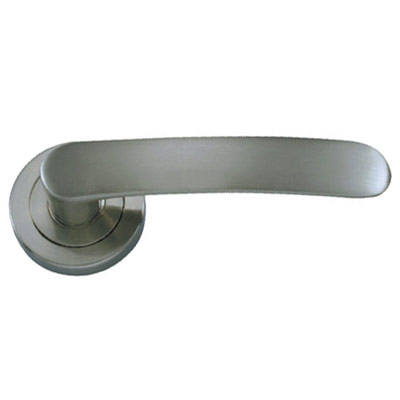
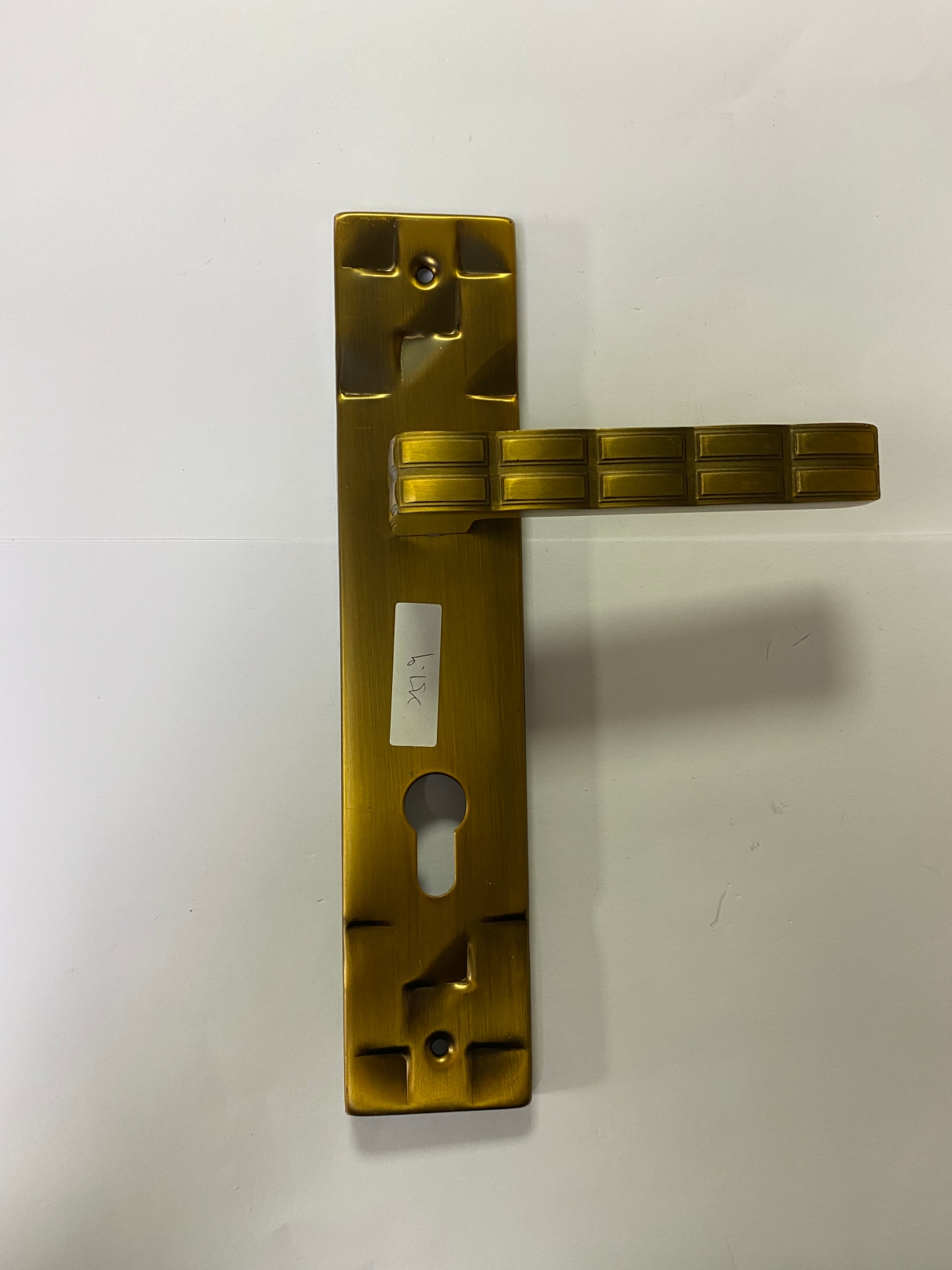
Door & Window Handles
Source premium door and window handles directly from vetted manufacturers and wholesale suppliers. Built for importers, distributors, and brands requiring reliable high-volume production, our network offers extensive OEM and private-label capabilities. Secure competitive pricing and consistent quality for your architectural hardware supply chain.
Sourcing architectural hardware at scale requires a delicate balance between aesthetic finish durability and mechanical cycle-life. For volume buyers, the primary challenge isn't merely finding a facility that can cast a handle; it is ensuring absolute consistency in surface treatments across tens of thousands of units, while maintaining strict dimensional tolerances for the internal spindle and spring mechanisms.
Base Materials and Manufacturing Methods
The foundation of any door or window handle dictates its manufacturing process, weight, tooling costs, and compatible surface finishes. Selecting the right base material is the first critical step in aligning your product with its target market tier.
| Material | Primary Manufacturing Process | Corrosion Resistance | Typical Market Tier |
|---|---|---|---|
| Zinc Alloy (Zamak 3/5) | Die-casting | Moderate (relies on plating) | Mid-Market / High-Volume |
| Stainless Steel (304/316) | Investment Casting / Machining | Exceptional | Commercial / Premium |
| Aluminum Alloy | Die-casting / Extrusion | High (when anodized) | Economy / Mid-Market |
| Solid Brass | Hot Forging | High | Luxury / Architectural |
When scaling custom designs, tooling costs vary significantly by material. Zinc and aluminum die-casting molds offer high precision for complex ergonomic shapes but require higher upfront tooling investment. Conversely, stainless steel handles often utilize investment casting or CNC machining from tube stock, which can lower initial tooling costs but increases per-unit production time. If you are developing proprietary designs, leveraging professional OEM/ODM Services ensures your CAD files are optimized for the specific material's shrinkage rates and draft angles.
Surface Treatments and Finish Durability
A handle's finish is its most vulnerable feature. Inconsistent plating leads to bubbling, peeling, or rapid oxidation, resulting in high return rates.
Critical Finish Specifications to Define
- Electroplating Thickness: Specify micron layers for copper, nickel, and chrome (e.g., minimum 10-15 microns total).
- PVD (Physical Vapor Deposition): Required for premium anti-tarnish finishes (matte black, satin brass) offering superior scratch resistance.
- Anodizing (Aluminum): Specify coating thickness (Class 15 or 20) to prevent fading under UV exposure.
- Powder Coating: Verify the use of outdoor-grade polyester powders for window handles exposed to direct sunlight.
To validate these finishes, you must specify Neutral Salt Spray (NSS) testing parameters. Standard interior handles typically require 48 to 72 hours of NSS without red rust, while exterior or coastal hardware should demand 96 to over 240 hours. Implementing rigorous Quality Control & Inspection protocols before shipment is essential to verify that the factory's plating bath chemistry remained stable throughout your production run.
Struggling with inconsistent finishes or high defect rates? Let our engineers audit your supply chain and establish strict quality parameters.
Discuss your sourcing requirementsMechanical Standards and Tolerances
Beyond aesthetics, the internal mechanics determine the handle's lifespan.
- Spindle Compatibility: Ensure the square spindle hole is broached to precise tolerances. Standard European and Asian lock bodies typically require an 8x8mm spindle, while some specific window espagnolettes use 7x7mm. A loose tolerance here results in a "sloppy" lever feel.
- Return Springs: The internal return spring (often housed in the rose or backplate) must be manufactured from high-tensile spring steel.
- Cycle Testing: Specify compliance with regional standards (such as EN 1906 for Europe). A commercial-grade lever handle should comfortably pass 100,000 to 200,000 actuation cycles without mechanical failure or significant sagging.
Buying Mechanics: MOQs, Pricing, and Lead Times
Understanding factory-floor realities helps in negotiating better terms and planning your inventory cycles. Many suppliers assemble handles but outsource the die-casting and electroplating. Conducting thorough Factory Audits will reveal whether you are dealing with a primary manufacturer or a mid-level assembler, which heavily impacts your negotiating leverage.
Pricing is heavily indexed to the base metal commodity markets (LME zinc, aluminum, copper). However, the surface treatment often accounts for 30 to 40 percent of the final unit cost. PVD finishes, for instance, will carry a noticeable premium over standard powder coating or basic electroplating.
Ready to optimize your hardware procurement? We help volume buyers negotiate better terms, manage tooling, and secure reliable production capacity.
Talk to our sourcing teamFrequently Asked Questions
Successfully sourcing door and window handles requires looking past the showroom samples to understand the factory's underlying casting precision and plating consistency. By defining strict material, mechanical, and finish standards upfront, you protect your brand from costly field failures and secure a reliable, long-term supply chain.
Get Sourcing Help for Door & Window Handles
Tell us your requirements and our experts will connect you with verified manufacturers.