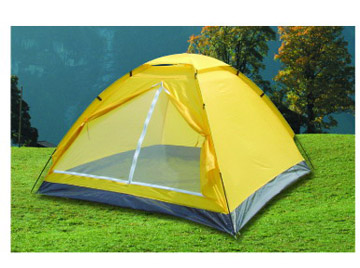
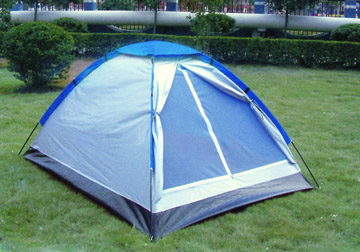
Dome Tents
Source high-quality Dome Tents directly from vetted manufacturers and wholesale suppliers. Designed for importers, distributors, and outdoor brands seeking bulk purchasing or custom OEM/private-label production. Ensure reliable quality and competitive pricing for your next inventory run.
Sourcing dome tents at scale requires balancing fabric performance, frame durability, and production costs. For outdoor brands and distributors, the challenge isn't merely finding a supplier, but standardizing quality across production runs while managing the specific hydrostatic, UV resistance, and flammability requirements of your target markets.
Critical Specifications & Material Selection
The bill of materials (BOM) dictates both the performance tier and the unit cost of a dome tent. When negotiating with manufacturers, you must specify the exact grades of fabric, coating, and framing materials. Ambiguity here often leads to silent downgrades on the factory floor.
Fabric and Waterproofing
Most dome tents utilize polyester or nylon. Polyester (typically 190T to 210T) resists UV degradation better and sags less when wet, making it the standard for mainstream retail. Nylon, particularly silicone-treated ripstop, is reserved for premium, lightweight backpacking models.
Waterproofing is achieved via a Polyurethane (PU) or silicone coating. You must specify the Hydrostatic Head (HH) rating required for your market. A rating of 1000mm is the bare minimum for light rain, while 2000mm to 3000mm is standard for three-season dome tents.
| Pole Material | Flexibility | Weight | Target Market |
|---|---|---|---|
| Standard Fiberglass | Moderate | Heavy | Entry-level / Mass retail |
| Wrapped Fiberglass | Good | Heavy | Mid-tier camping |
| Aluminum (7000 Series) | Excellent | Lightweight | Premium / Specialty outdoor |
Struggling to verify if a factory can meet your exact technical specifications? We can help vet suppliers and audit their material supply chains.
Talk to our teamManufacturing Quality & Common Defects
Even with premium materials, poor construction will ruin a tent's performance. The highest risk areas in dome tent manufacturing are seam sealing, stress-point reinforcement, and zipper installation. Relying solely on a final visual check is risky; rigorous Quality Control & Inspection should include in-line checks before the final assembly is packed.
Key Inspection Points for Dome Tents
- Seam Tape Adhesion: Ensure PU seam tape is applied evenly without bubbles or peeling, especially at the bathtub floor corners.
- Stress Point Reinforcement: Check for bar-tack stitching at guy-line loops, pole sleeves, and grommets.
- Zipper Action: Verify that zippers run smoothly without catching on storm flaps, utilizing dual-slider configurations where specified.
- Pole Ferrule Fit: Ensure pole segments interlock securely without excessive play that could lead to splitting under wind loads.
- Hydrostatic Testing: Conduct batch testing on fabric swatches from the actual production run to verify the PU coating thickness.
If you are developing a new product line, conducting thorough Factory Audits before placing a deposit is essential. You need to verify that the manufacturer has the specialized taping machines and skilled operators required for high-grade tent production.
Pricing, MOQs, and Lead Times
Understanding the operational realities of tent factories helps you negotiate better terms and plan your supply chain effectively.
When utilizing OEM/ODM Services for private-label designs, keep in mind that custom fabric colors significantly inflate your MOQ. This is because the fabric mills that supply the tent factories require minimum dye-lot runs. If you need to keep initial order quantities low, opt for off-the-shelf fabric colors and differentiate your product through custom branding, unique pole configurations, or upgraded hardware.
Need to negotiate better MOQs or streamline your outdoor gear supply chain? Let our experts manage the sourcing process.
Get a free consultationFrequently Asked Questions
Successfully sourcing dome tents in bulk means controlling the details—from thread count and seam tape to factory capabilities and compliance standards. By building rigorous specifications and maintaining strict quality oversight, you can protect your brand's reputation and your bottom line.
Get Sourcing Help for Dome Tents
Tell us your requirements and our experts will connect you with verified manufacturers.