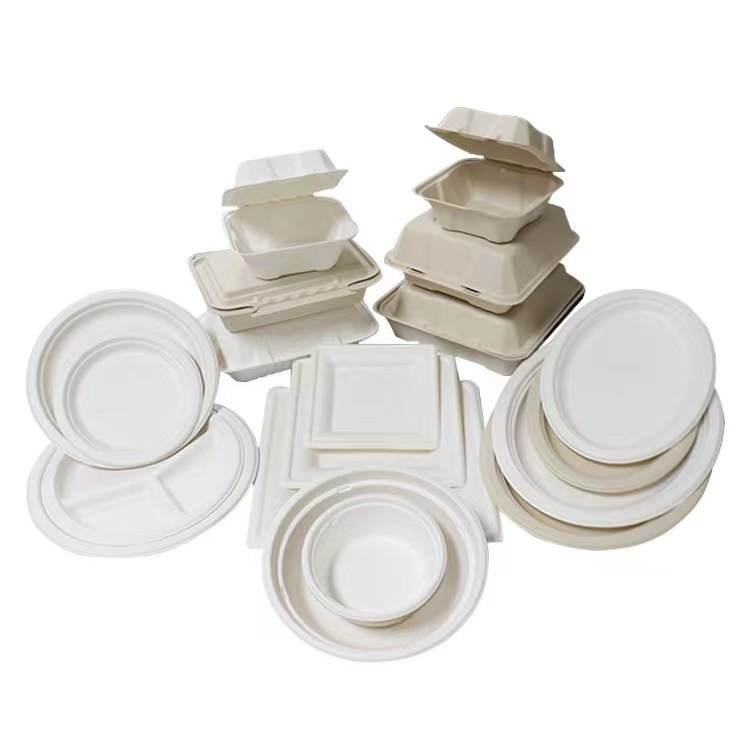
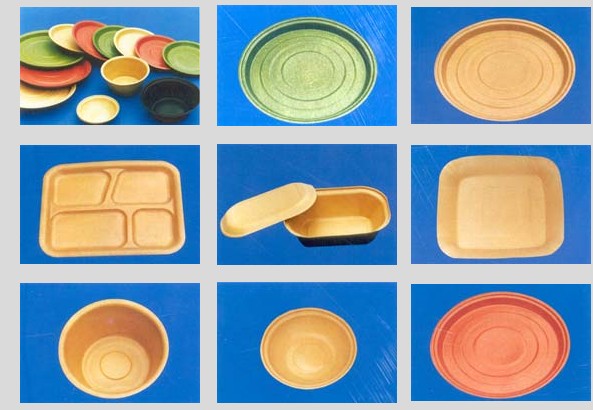
Disposable Dinnerware & Tableware
Source high-volume disposable dinnerware and tableware from vetted manufacturers and suppliers. Designed for importers, wholesalers, distributors, and brands seeking reliable OEM and private-label production. Ensure strict food-contact compliance, scale your margins, and secure consistent supply for bulk commercial orders.
Sourcing disposable dinnerware at scale requires balancing aggressive unit economics with increasingly strict global regulations on single-use plastics and food-contact materials. Whether you are transitioning a product line to compostable bagasse or sourcing high-rigidity CPLA cutlery, success depends on tight material specifications, accurate tooling, and rigorous factory oversight.
Material Specifications & Manufacturing Nuances
The disposable tableware market is highly fragmented by material, each requiring distinct manufacturing processes—from thermoforming and injection molding to pulp molding. Selecting the right material dictates not only the product's performance but also the factory profile you need to target.
| Material | Primary Application | Key Production Challenge | Heat Tolerance |
|---|---|---|---|
| Bagasse / Molded Fiber | Plates, bowls, clamshells | Achieving oil resistance without PFAS | Up to 100°C |
| CPLA (Crystallized PLA) | Cutlery, hot cup lids | Balancing rigidity and brittleness | Up to 85°C |
| Coated Paperboard | Cups, food boats, plates | Seam integrity and aqueous coating adhesion | Varies by coating |
| PP (Polypropylene) | Heavy-duty microwaveable containers | Optimizing injection molding cycle times | Up to 120°C |
When developing custom shapes or embossed branding, you will need a manufacturer with strong in-house tooling capabilities. Partnering with a factory that offers robust OEM/ODM Services ensures that mold design, prototyping, and mass production are tightly integrated, reducing the risk of structural weak points in the final product.
Compliance & Food-Contact Safety
Regulatory compliance is the largest barrier to entry in the disposable tableware sector. Substandard manufacturing environments can introduce chemical contaminants, heavy metals, or biological hazards into food-contact items.
Before committing to a production run, verify that the facility maintains proper cleanroom standards (often Class 100,000 for high-end food packaging) and holds valid, up-to-date certifications for your target market.
Critical Factory Verification Checkpoints
- FDA 21 CFR compliance for direct food contact (US market).
- LFGB testing reports for heavy metals and sensory migration (EU market).
- BPI or OK Compost certifications for PLA and bagasse products.
- Documented phase-out of PFAS (per- and polyfluoroalkyl substances) in molded fiber.
- ISO 22000 or BRCGS packaging materials certifications.
Relying solely on a supplier's provided PDF certificates is a major risk. Executing independent Compliance & Testing through accredited third-party labs is mandatory to ensure the actual production batch matches the certified prototype. Furthermore, conducting thorough Factory Audits before placing a deposit confirms the supplier's actual production capacity and hygiene standards.
Need to verify a supplier's food-contact certifications or transition your product line to PFAS-free materials? We can manage the vetting and testing process.
Talk to our teamQuality Control & Defect Prevention
Because disposable tableware is produced in massive volumes at high speeds, minor calibration errors on the factory floor compound quickly into container-loads of unsellable goods.
Grammage and Thickness Verification
Inconsistent pulp density in bagasse or uneven extrusion in plastics leads to structural failure. Specify a strict weight tolerance (typically plus or minus 5 percent).
Coating and Lamination Integrity
For paper and PLA-lined products, test for delamination, pinholes, and seam leaks using hot oil and boiling water spot tests.
Odor and Taint Testing
Residual solvents from printing or improper curing of bioplastics can transfer odors to food. Sensory testing must be part of the AQL standard.
Flash and Edge Finish
Injection-molded cutlery and thermoformed lids must be inspected for sharp edges (flash) caused by worn tooling or incorrect clamping pressure.
Implementing professional Quality Control & Inspection at the pre-shipment phase—and ideally during in-line production—is the only reliable way to catch these defects before the goods are loaded into a container.
Pricing Drivers, MOQs, and Tooling
Unit economics in disposable tableware are driven by raw material indices (like global pulp or resin prices), machine cycle times, and shipping efficiency. Because these products are lightweight but bulky, maximizing container utilization is critical to keeping landed costs down.
Custom tooling for bagasse and paper products is relatively inexpensive compared to complex plastic injection molds. However, custom designs require higher volume commitments to justify the machine setup time. When negotiating, always clarify whether the quoted price includes the necessary export packaging and inner polybags, as inadequate packaging can lead to moisture damage during transit.
Looking for a reliable manufacturing partner to scale your private-label tableware brand? Let us negotiate the tooling and MOQs for your next production run.
Get a free consultationBuyer FAQ
Securing a reliable supply chain for disposable dinnerware requires moving beyond unit price and focusing on material integrity, tooling quality, and strict compliance oversight. By structuring your sourcing process around clear technical specifications and independent verification, you can mitigate quality fade and scale your product lines with confidence.
Get Sourcing Help for Disposable Dinnerware & Tableware
Tell us your requirements and our experts will connect you with verified manufacturers.