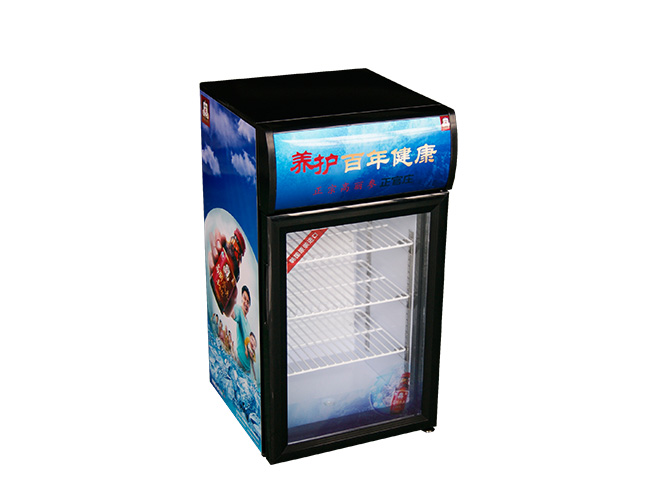
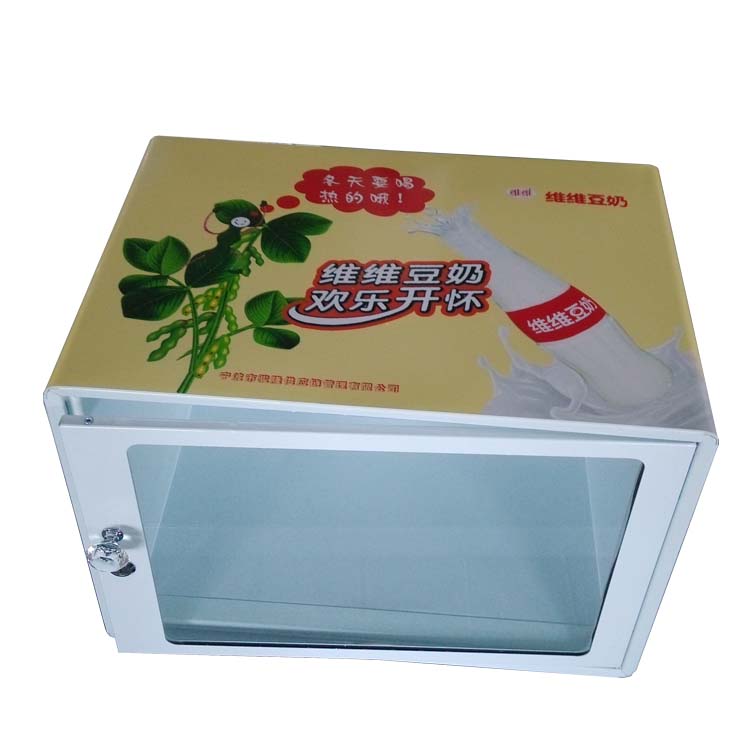
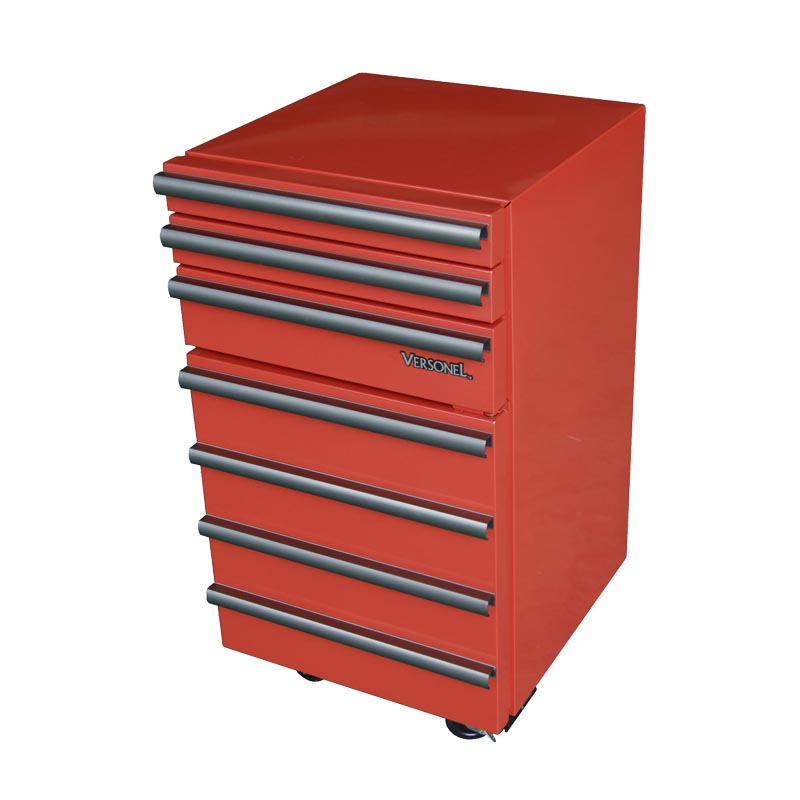
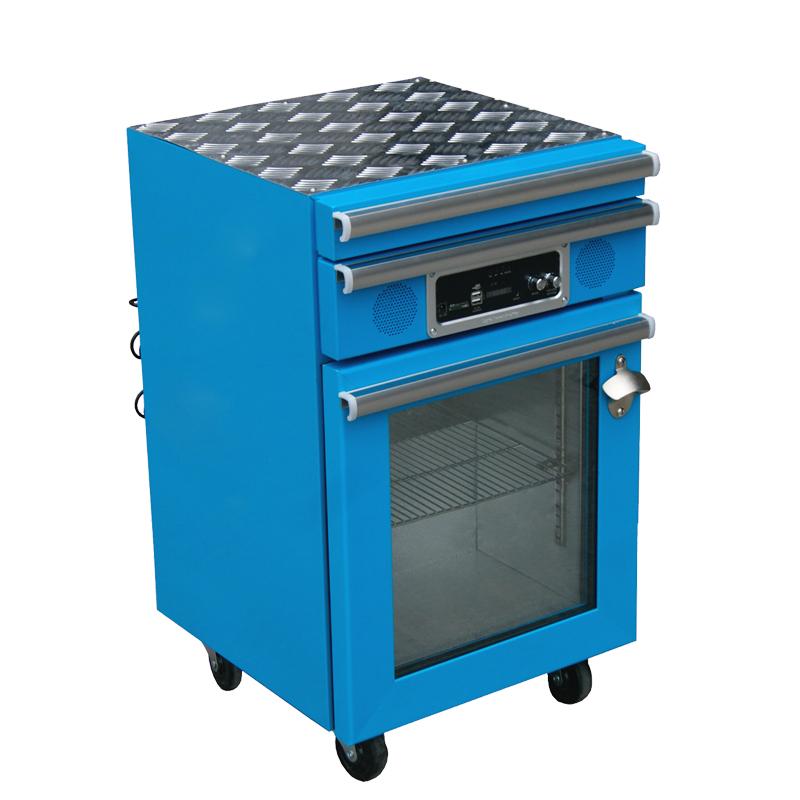
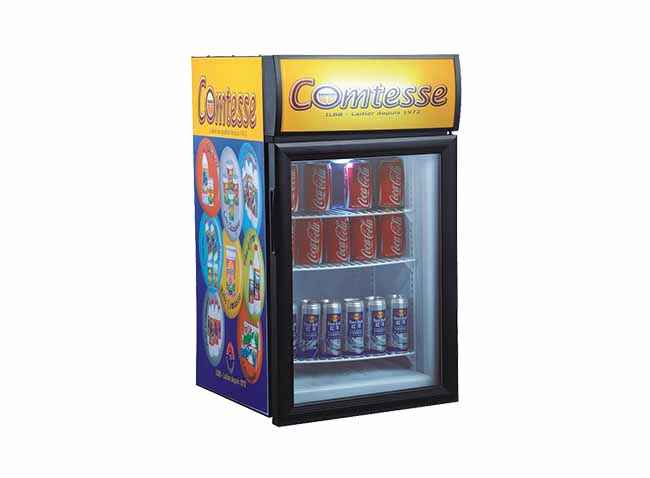
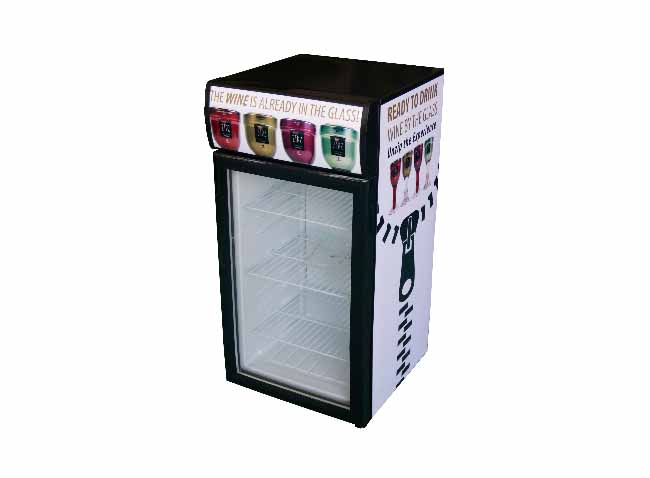
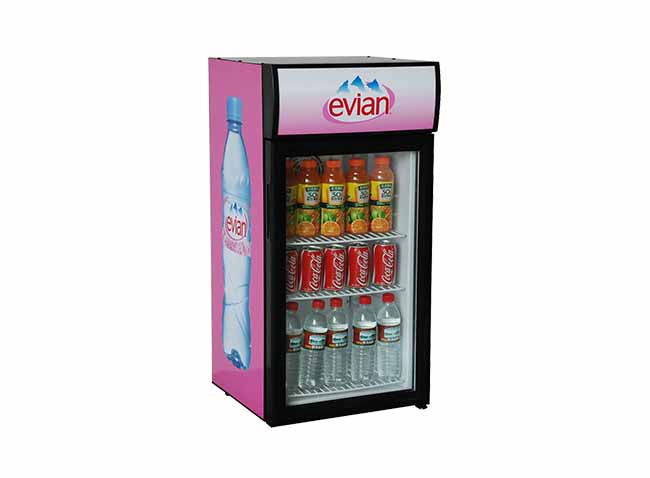
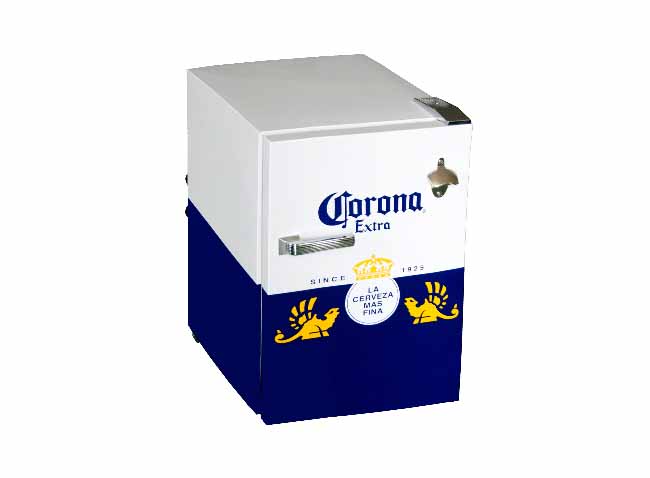
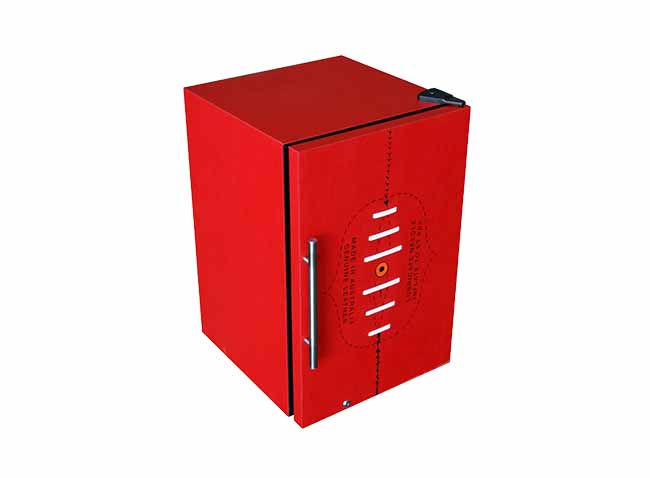
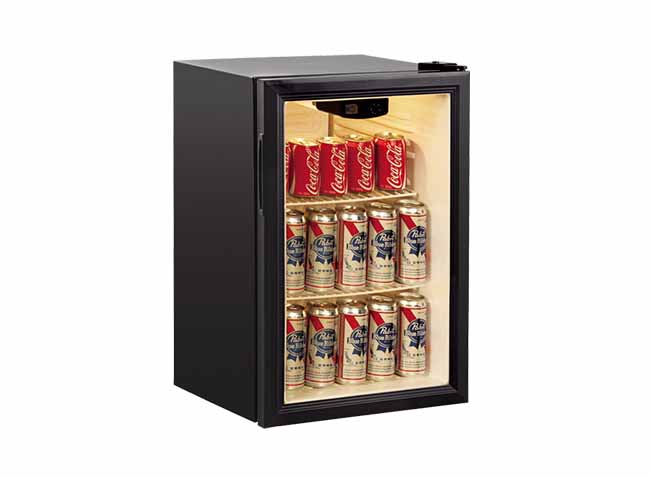
Display Freezers & Fridges
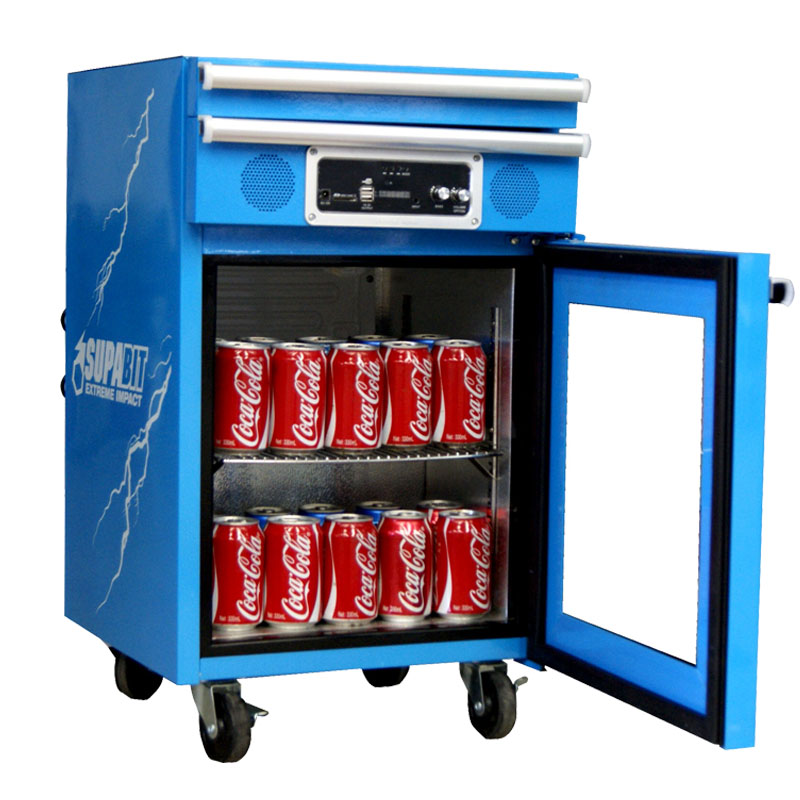
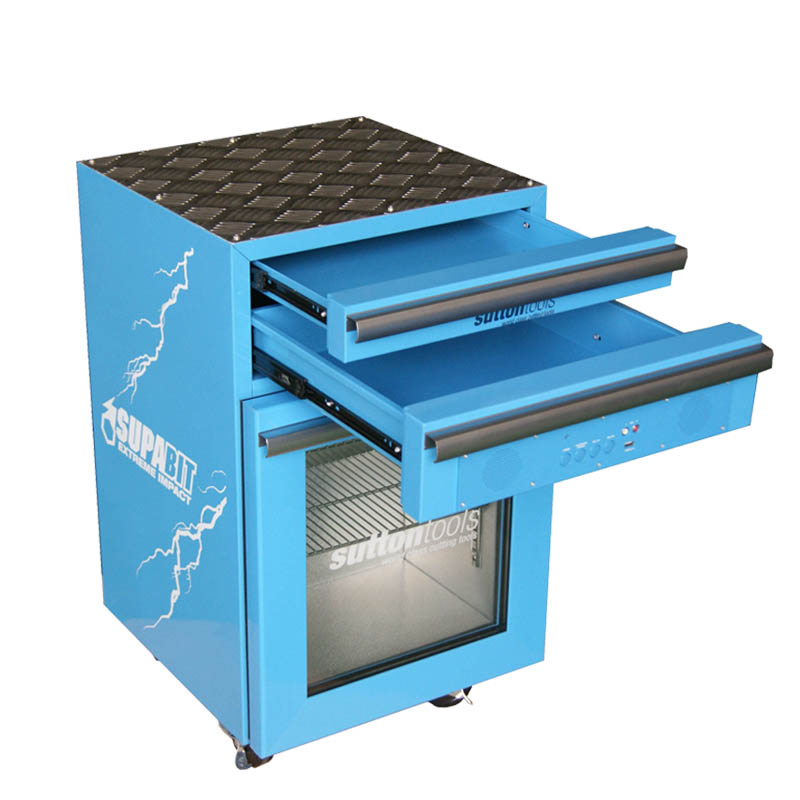
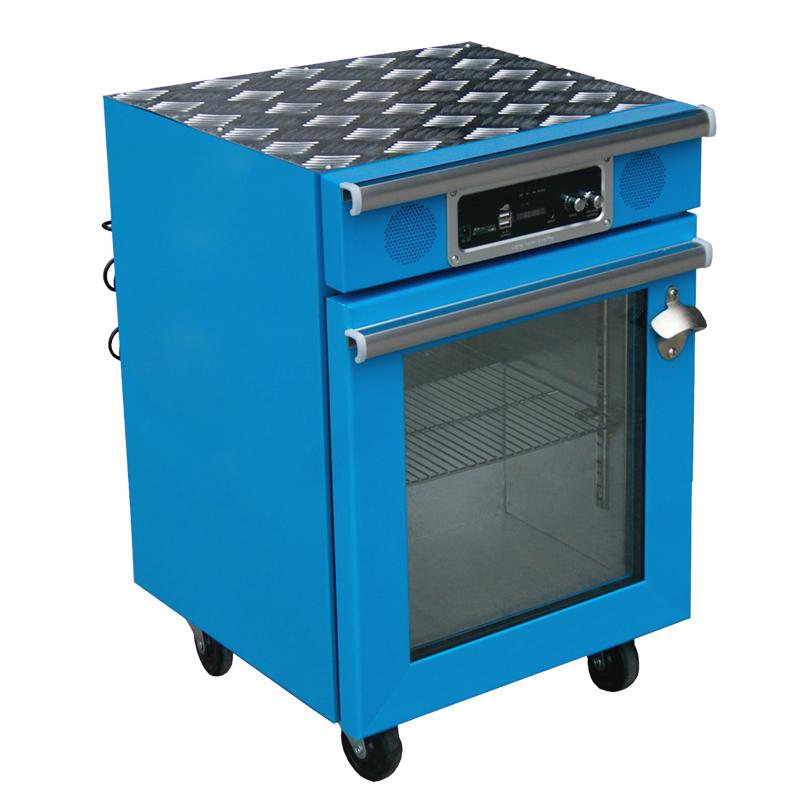
Source commercial-grade Display Freezers & Fridges from vetted manufacturers and suppliers in Asia. Designed for importers, distributors, and brands seeking reliable OEM/ODM production, our network delivers high-performance refrigeration solutions built to stringent global compliance standards.
Commercial display refrigeration balances two competing demands: maximizing product visibility while maintaining strict temperature stability in high-traffic retail environments. Sourcing these units in bulk requires careful attention to compressor selection, insulation integrity, and regional energy compliance to avoid high failure rates and excessive energy consumption in the field.
Core Specifications and Component Selection
The lifespan and efficiency of a commercial display fridge or freezer rely heavily on its internal components. When negotiating with manufacturers, specifying the right tier of components is critical.
- Compressors: The compressor is the heart of the unit. While premium global brands (like Secop or Embraco) offer proven longevity and are preferred for demanding commercial environments, top-tier Chinese brands (such as Donper or Jiaxipera) provide excellent cost-to-performance ratios for standard retail applications.
- Refrigerants: Global regulations are phasing out high-GWP (Global Warming Potential) refrigerants. Ensure your factory is equipped to handle R290 (propane) or R600a (isobutane), which are currently the standard for eco-friendly, energy-efficient commercial refrigeration.
- Condenser and Evaporator Coils: Specify copper or high-grade aluminum. Copper offers superior thermal conductivity and corrosion resistance, essential for units operating in humid environments.
Managing Condensation: Glass Door Specifications
Condensation on display doors obscures products and defeats the purpose of the unit. Manufacturers offer several glazing solutions depending on the target climate and budget.
| Glass Type | Performance | Best For | Cost Impact |
|---|---|---|---|
| Standard Double Glazed | Basic insulation, prone to fogging in high humidity. | Air-conditioned retail spaces. | Baseline |
| Low-E (Low Emissivity) Glass | Reflects ambient heat, significantly reduces condensation. | Supermarkets, standard commercial use. | Moderate increase |
| Heated Glass | Uses an electrical film to eliminate fogging completely. | Freezers and high-humidity tropical climates. | Highest cost and energy use |
Need help matching component specifications to your target market's climate and regulatory standards?
Discuss your spec requirementsManufacturing Quality and Factory Audits
The assembly of display freezers involves precise chemical and mechanical processes. Poor quality control during the polyurethane foaming process can lead to uneven insulation, causing the compressor to overwork and fail prematurely.
Before committing to a supplier, comprehensive Factory Audits are essential to verify their foaming equipment, vacuum testing lines, and refrigerant charging stations.
Critical In-Line Quality Control Checks
- Foam Insulation Density: Must be uniform to prevent cold bridges and structural weakness.
- Halogen Leak Testing: Essential post-charging to ensure the hermetic seal of the refrigeration cycle.
- Electrical Safety Testing: Hi-pot (high potential) and earth continuity testing for commercial safety compliance.
- Temperature Pull-Down Test: Verifying the time it takes an empty unit to reach its target operating temperature in a climate-controlled test room.
Implementing independent Quality Control & Inspection prior to shipment ensures that these performance metrics are actually met on your production run, not just on the golden sample.
Regulatory Compliance and Certifications
Display freezers and fridges are heavily regulated. Importing non-compliant units can result in customs seizures or forced recalls.
- Electrical Safety: UL/ETL for North America; CE for the European Union.
- Energy Efficiency: MEPS (Minimum Energy Performance Standards) in Australia/New Zealand, DOE regulations in the US, and ERP directives in the EU.
- Sanitation: NSF certification is often mandatory for units storing open food or operating in commercial kitchens in the US.
Navigating these requirements requires a manufacturer with existing, valid test reports for their base models, or the capability to pass custom Compliance & Testing for modified designs.
Pricing, MOQs, and Production Realities
Because display refrigerators are large, bulky items, shipping economics play a massive role in unit cost. Purchasing is almost exclusively calculated by container volume.
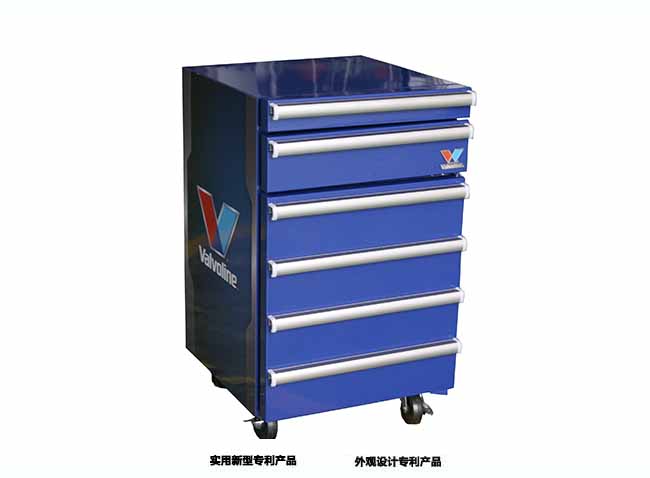
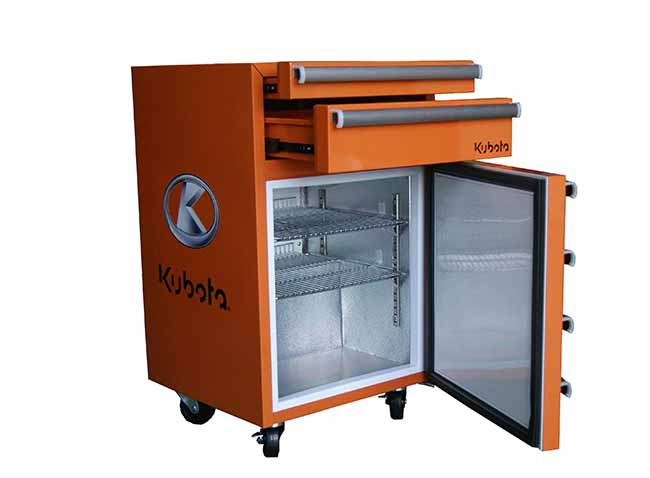
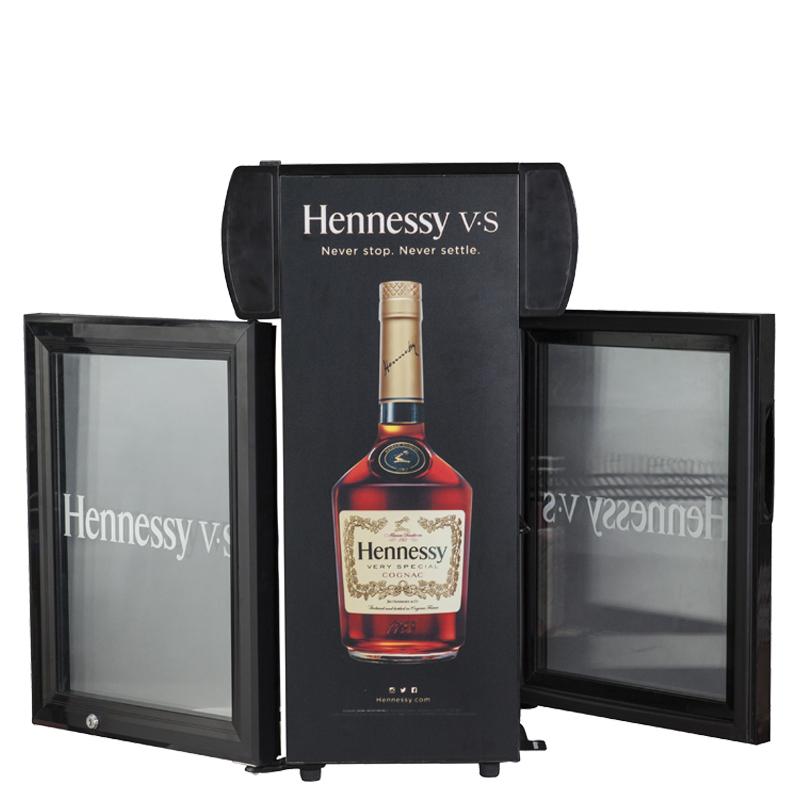
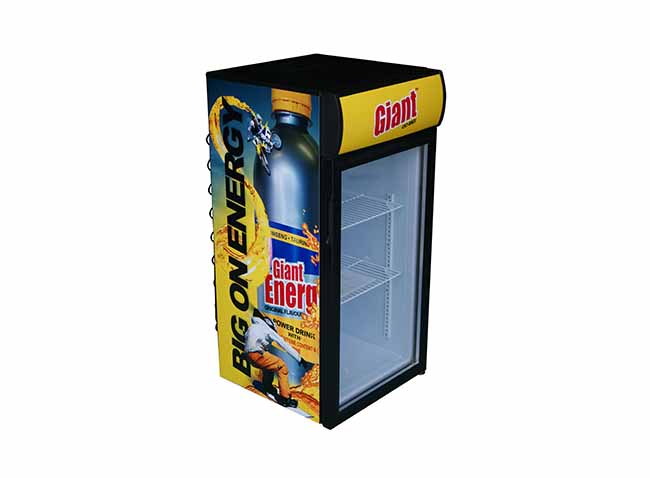
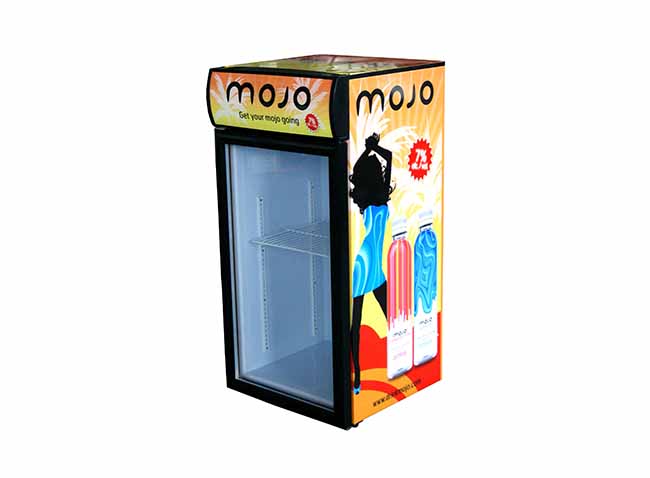
When utilizing OEM/ODM Services for custom branding—such as illuminated lightboxes, custom-painted cabinets, or bespoke shelving—factories may increase the MOQ to cover the setup costs of custom silk-screening or specific RAL color powder coating.
Ready to source commercial refrigeration at scale? Get a detailed breakdown of current factory pricing and lead times.
Talk to our teamFrequently Asked Questions
Securing reliable display freezers and fridges requires aligning component specifications with regional energy laws and rigorous factory-level quality control. By focusing on compressor quality, insulation integrity, and proper testing protocols, buyers can build a resilient commercial refrigeration supply chain.
Get Sourcing Help for Display Freezers & Fridges
Tell us your requirements and our experts will connect you with verified manufacturers.