Disinfection Cabinets
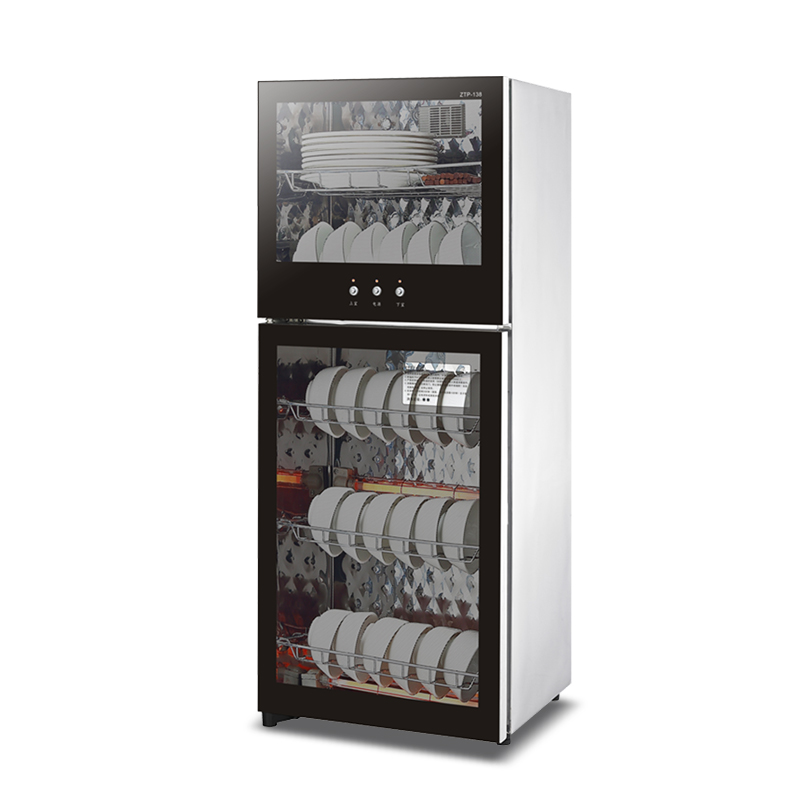
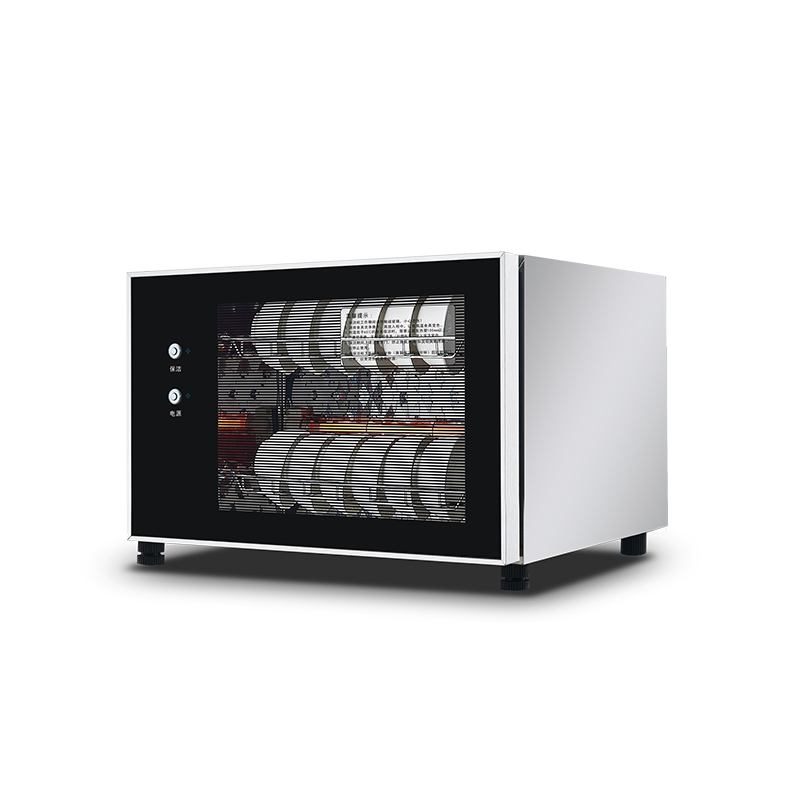
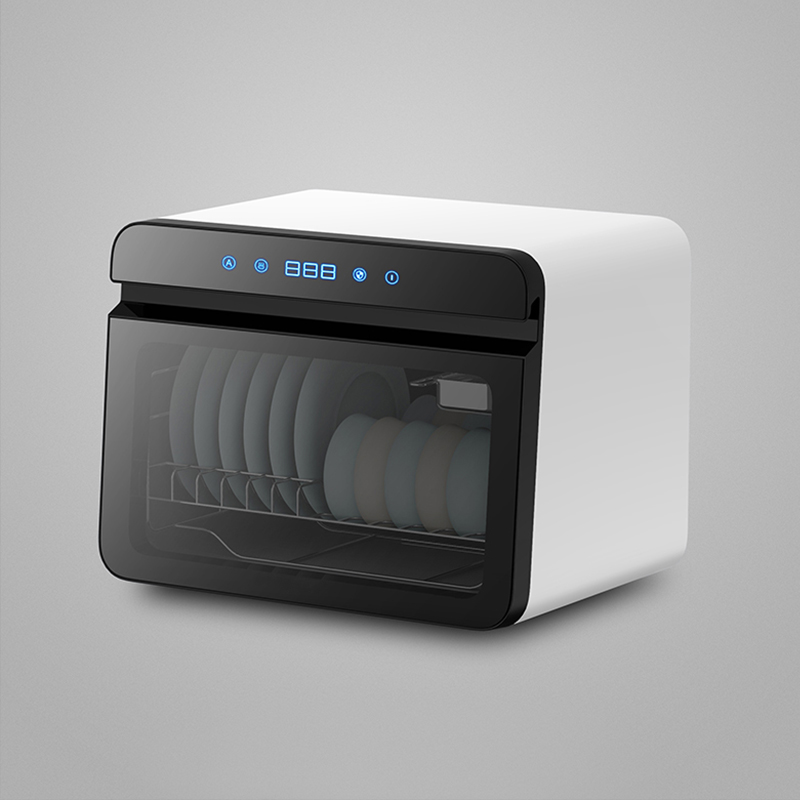
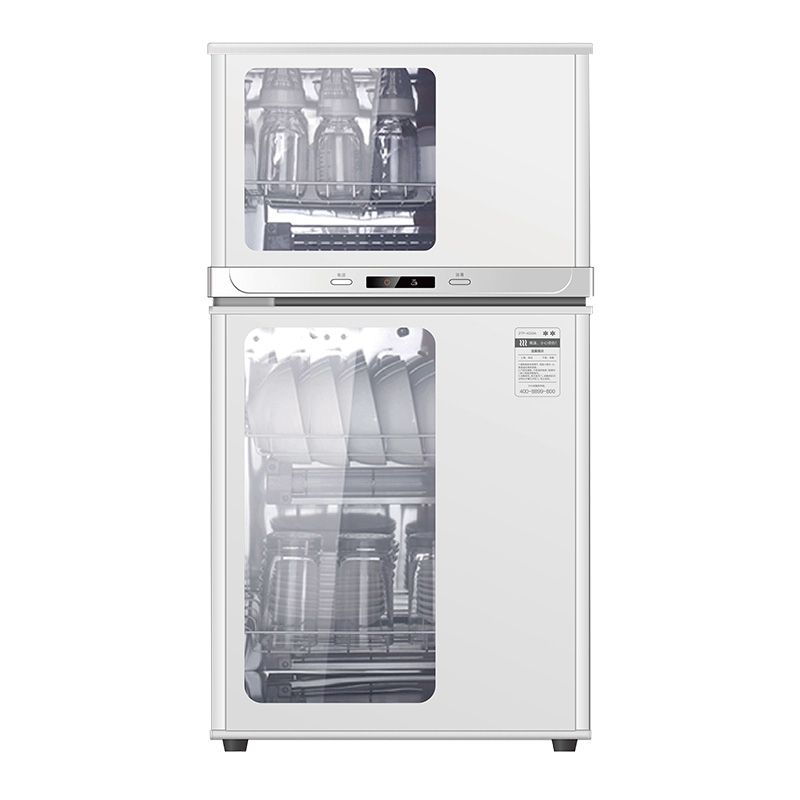
Source commercial and residential disinfection cabinets from vetted suppliers and manufacturers across Asia. Built for importers, distributors, and appliance brands seeking reliable OEM and private-label production, our network delivers high-capacity, certified sanitation solutions at competitive wholesale volumes.
Sourcing disinfection cabinets requires balancing verified sterilization efficacy with rigorous electrical safety standards. Whether you are procuring built-in units for modern kitchens or freestanding commercial models, the core challenge lies in verifying that the factory's UV-C, ozone, and thermal systems perform to specification without degrading the cabinet's internal components over time.
Core Sterilization Technologies
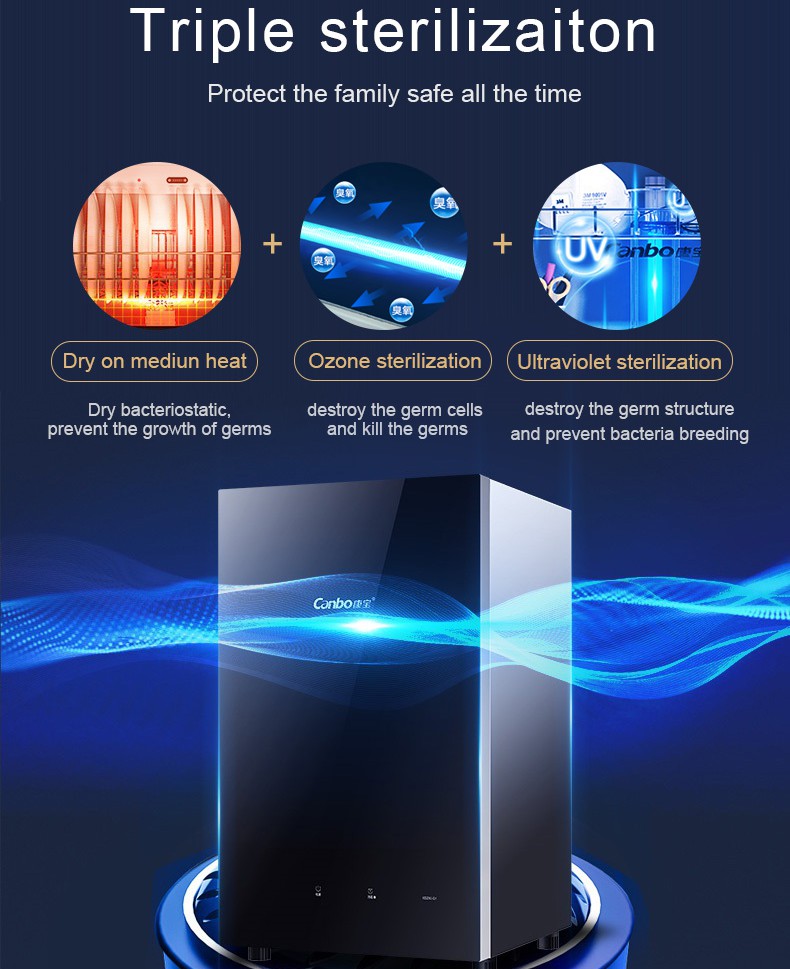
Manufacturers typically combine two or more sterilization methods to achieve a high log-reduction of pathogens. Specifying the correct configuration dictates both the unit's cost and its regulatory classification.
| Technology | Mechanism | Primary Use Case | Design Considerations |
|---|---|---|---|
| UV-C | 253.7nm wavelength light | Surface sterilization of plastics/glass | Requires reflective interiors to eliminate shadow zones |
| Ozone (O3) | Oxidation via ozone generator | Hard-to-reach crevices and porous items | Requires strict door sealing and off-gassing cycles |
| High-Temperature | PTC heating (over 120°C) | Ceramics and stainless steel tableware | High power draw; requires robust thermal insulation |
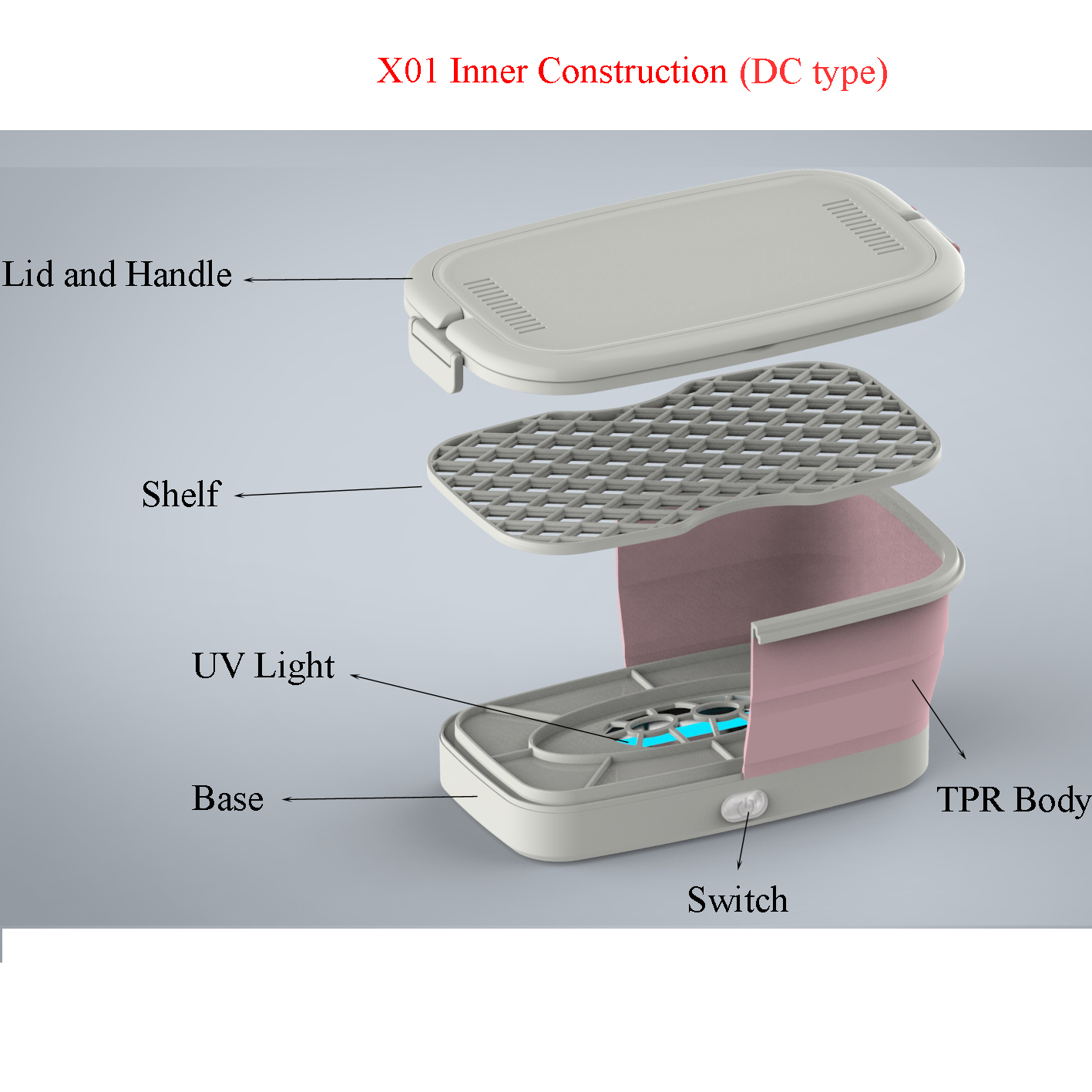
When evaluating a factory's technical capabilities, inspect their UV lamp sourcing. Premium manufacturers will use quartz glass tubes rather than high-boron glass, as quartz allows for significantly higher UV transmittance.
Need help verifying factory specifications and component quality? We can audit suppliers to ensure they meet your technical requirements.
Talk to our teamManufacturing Quality Control & Material Selection
The longevity of a disinfection cabinet is heavily dependent on the materials used in the interior chamber. Continual exposure to ozone and UV radiation rapidly degrades inferior plastics and low-grade metals.
- Stainless Steel Grades: The interior chamber should ideally be constructed from 304 stainless steel. Some manufacturers will substitute 201 stainless steel to cut costs, which is highly susceptible to rust in humid, ozone-rich environments.
- Door Seals and Micro-Switches: Ozone leakage is a critical safety hazard. High-quality units utilize food-grade silicone seals that resist UV degradation. Additionally, magnetic micro-switches must immediately cut power to the UV lamp and ozone generator the moment the door is opened.
- Insulation: For high-temperature models, inadequate polyurethane or fiberglass insulation leads to excessive exterior panel temperatures, risking user injury and failing safety compliance tests.
Catching material substitutions requires rigorous Quality Control & Inspection directly on the factory floor, particularly before the inner chambers are sealed into the outer housing.
Compliance and Safety Standards
Disinfection cabinets straddle the line between standard kitchen appliances and sanitation devices. Depending on your target market, the compliance burden can be substantial.
Key Certifications & Testing Requirements
- Electrical Safety: CB Scheme, CE (LVD/EMC) for Europe, or UL/ETL for North America.
- Material Safety: RoHS compliance for electronic components and food-grade certifications (e.g., FDA or LFGB) for interior racks.
- Ozone Emission Testing: Verification that ambient ozone leakage remains well under regulatory thresholds (typically under 0.05 ppm).
- Sterilization Efficacy: Third-party lab reports validating the claimed kill rate (e.g., 99.9% reduction of E. coli and Poliovirus).
Navigating these requirements is complex, and relying solely on a factory's past test reports is risky. Implementing proper Compliance & Testing protocols ensures your specific production run meets the legal requirements of your destination market.
Production MOQs, Lead Times, and OEM Customization
Most established manufacturers in Guangdong and Zhejiang provinces focus on bulk production. Customizing the user interface, exterior finishes, or interior shelving configurations requires specific volume commitments.
If you are developing a proprietary design—such as integrating smart-home connectivity or unique aesthetic finishes—engaging experienced OEM/ODM Services is essential. Tooling costs for new exterior molds can be significant, so locking in a reliable manufacturing partner before investing in R&D is highly recommended.
Planning a custom appliance line? Let us connect you with tier-one OEM manufacturers capable of executing your design.
Get a free consultationFrequently Asked Questions
Successfully sourcing disinfection cabinets means looking past the exterior finish and scrutinizing the internal components, safety mechanisms, and true sterilization efficacy. Partnering with experienced sourcing professionals ensures your supply chain delivers safe, compliant, and durable appliances to your market.
Get Sourcing Help for Disinfection Cabinets
Tell us your requirements and our experts will connect you with verified manufacturers.