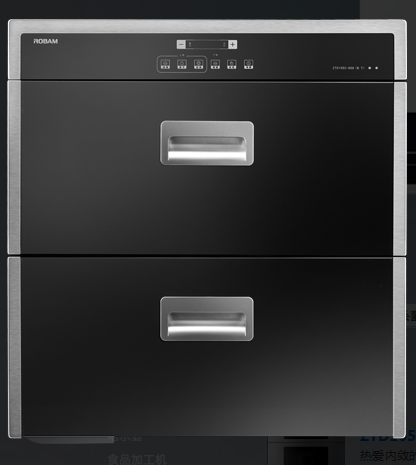
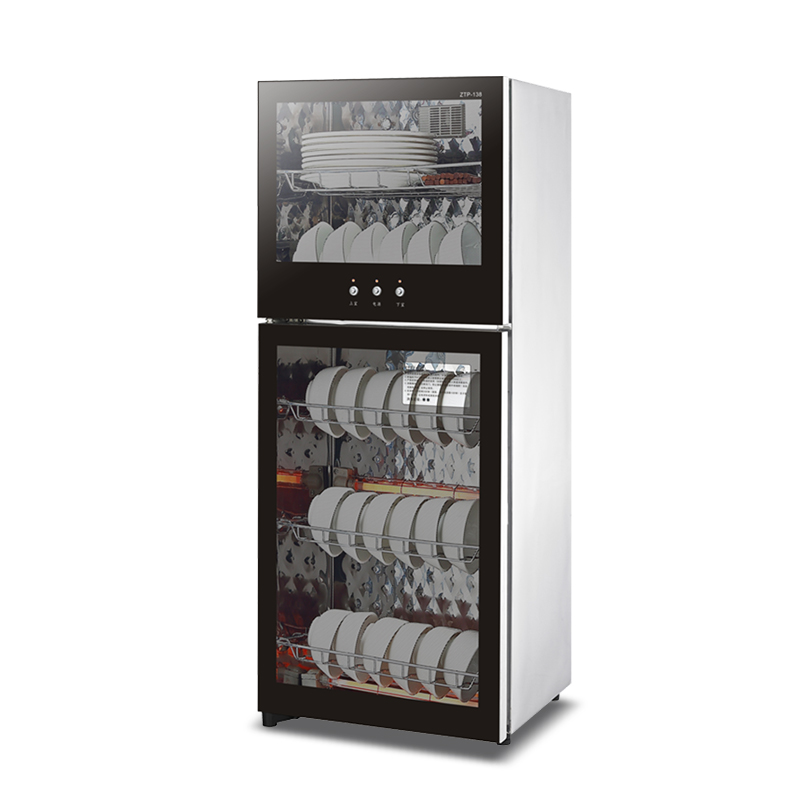
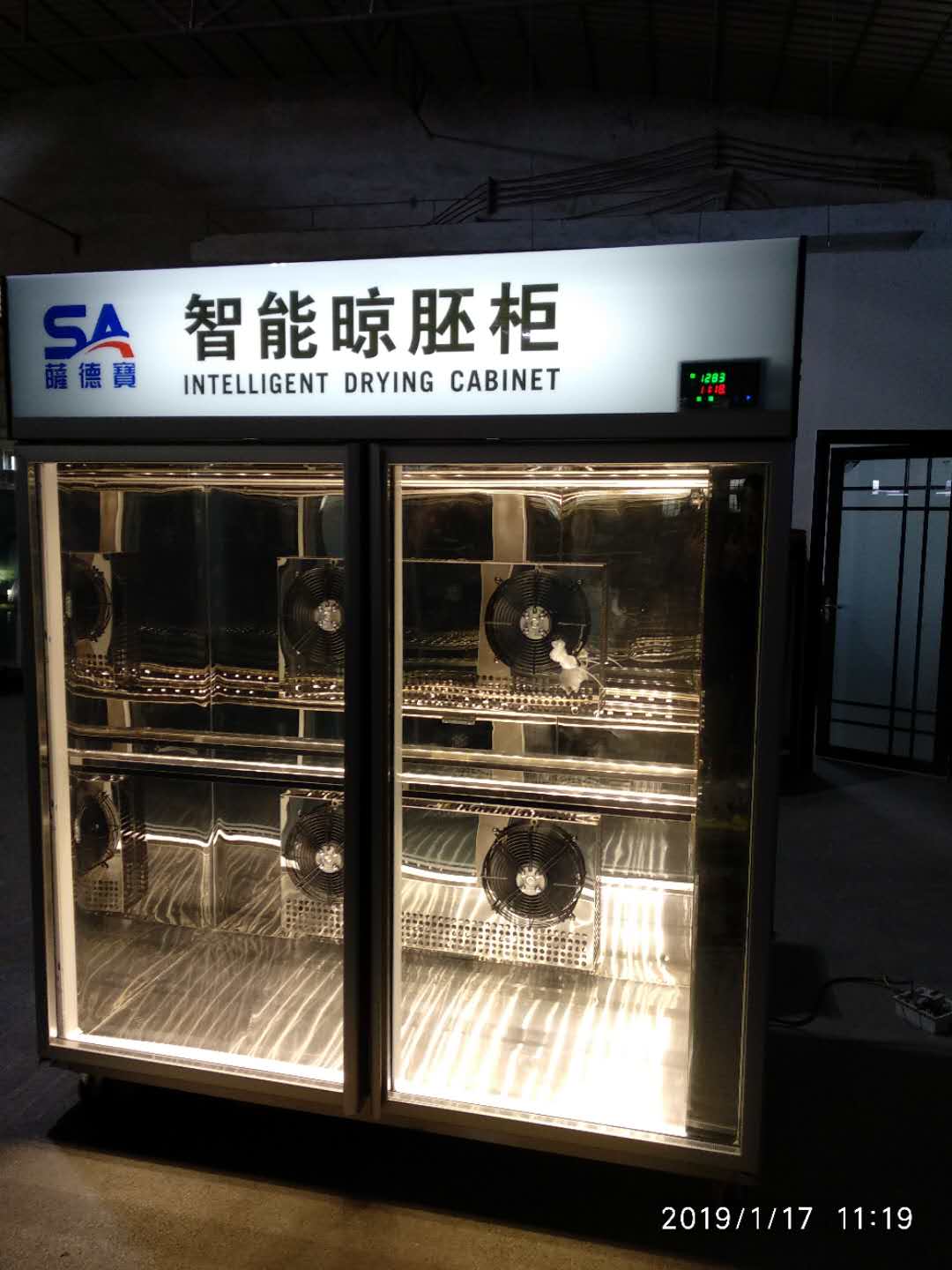
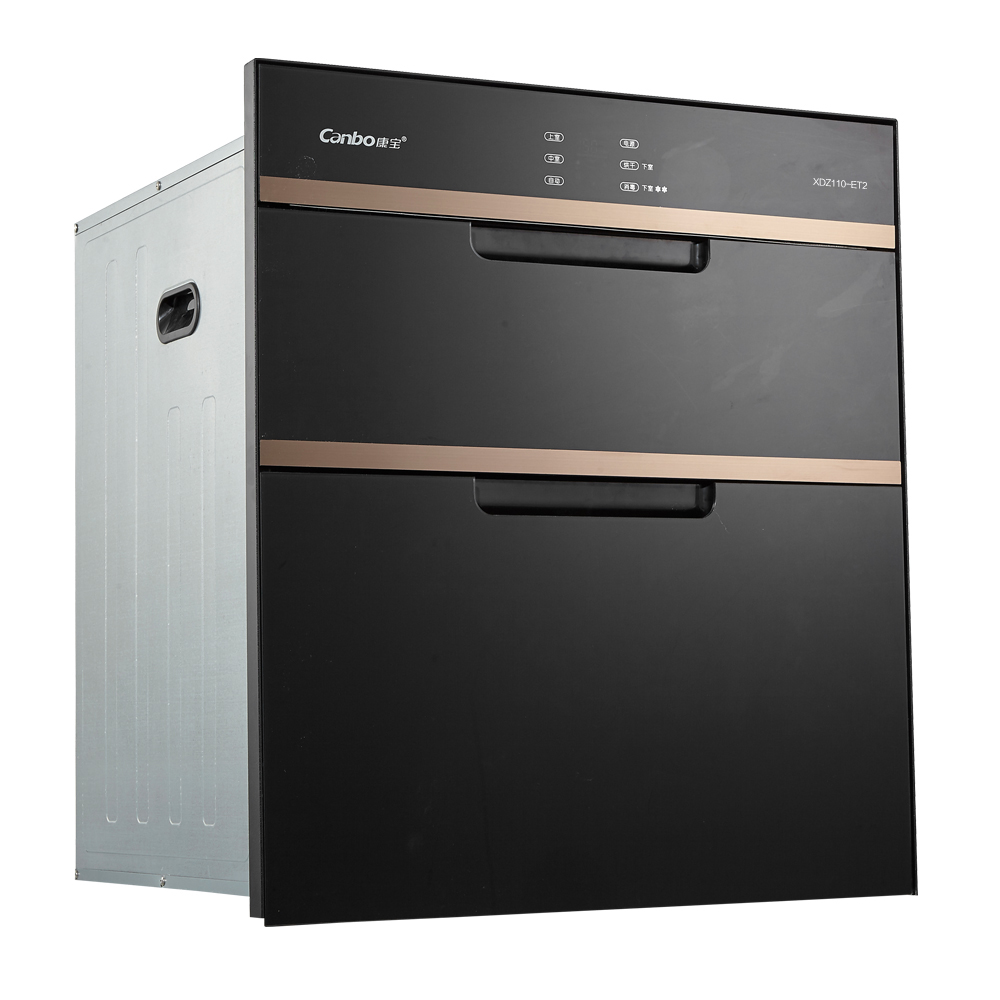
Disinfecting Cabinets
Source commercial and residential Disinfecting Cabinets directly from vetted manufacturers and wholesale suppliers. Designed for importers, distributors, and appliance brands seeking reliable OEM and private-label production, our factory network delivers certified sterilization technology at scale.
Sourcing disinfecting cabinets at volume requires balancing sterilization efficacy with strict electrical safety and material durability standards. Because these appliances utilize potentially hazardous mechanisms—specifically UV-C radiation, ozone generation, and high-temperature heating—procurement involves much more than selecting a cosmetic design. A successful production run depends on verifying the manufacturer's engineering capabilities, component sourcing (particularly UV ballasts and heating elements), and rigorous assembly tolerances to prevent radiation or thermal leakage.
Specifying Disinfecting Cabinets: Core Technologies
Disinfecting cabinets generally fall into two operational categories, often combined in dual-zone units. Specifying the correct technology dictates the internal components the factory must source and the safety standards the final unit must meet.
| Sterilization Method | Core Mechanism | Component Requirements | Compatible Materials |
|---|---|---|---|
| UV-C & Ozone | 253.7nm UV light + O3 gas generation | Quartz glass tubes, electronic ballasts, ozone generators | Plastics, wood, silicone, heat-sensitive items |
| High-Temperature | Infrared or PTC heating exceeding 120°C | Heavy-duty thermal insulation, high-temp thermostats | Stainless steel, ceramics, tempered glass |
When developing a product with a manufacturer through OEM/ODM Services, you must specify the exact grade of the internal cavity. Standard units often use 430-grade stainless steel, which is cost-effective but prone to pitting if exposed to high moisture and ozone over time. Premium units require 304-grade stainless steel for the interior to resist oxidation.
Securing reliable appliance manufacturing requires vetting factories before production begins. Partner with us to identify suppliers capable of meeting strict electrical and sterilization standards.
Talk to our teamManufacturing Tolerances and Quality Control
The manufacturing floor is where the reliability of a disinfecting cabinet is determined. Poor assembly tolerances lead to two critical failures: ozone/UV leakage and premature electrical failure.
Because UV light degrades many plastics and rubbers over time, the door seals (gaskets) must be extruded from high-grade, UV-resistant silicone. If the factory uses standard rubber to cut costs, the seal will crack within months, leading to ozone leaks that pose a health hazard to the end user.
Critical Factory-Level QC Checks
- Door Seal Integrity: Testing for zero UV light and ozone leakage during operation.
- Micro-Switch Calibration: Ensuring the safety switch instantly cuts power to UV/heating elements when the door is opened.
- Thermal Insulation: Verifying the exterior cabinet temperature remains under 45°C during a high-temperature cycle.
- Electrical Safety (Hipot Testing): Checking dielectric strength to ensure no current leakage to the metal chassis.
- Component Verification: Confirming the use of quartz glass (which transmits UV-C) rather than standard borosilicate glass for the lamp tubes.
Implementing rigorous Quality Control & Inspection protocols, including in-line checks and pre-shipment inspections, is non-negotiable for this category to catch these hidden defects before containers are loaded.
Certifications and Market Compliance
Disinfecting cabinets are heavily regulated as electrical appliances, and in some jurisdictions, as pesticidal devices. The factory you select must hold the appropriate documentation for your target market, and their components must match the certified bill of materials.
- North America: Requires UL or ETL certification for electrical safety. If the unit claims to kill bacteria/viruses via UV or ozone, it may require an EPA establishment number (as a pesticidal device) or FDA clearance if marketed for medical/dental instruments.
- Europe: Requires CE marking (LVD and EMC directives) and RoHS compliance to ensure no hazardous substances are present in the electronic components.
- Ozone Emission Limits: Most markets strictly regulate ambient ozone emissions. Units must be tested to ensure external ozone concentrations remain well under 0.05 ppm during and immediately after the cycle.
Navigating these regulatory requirements is complex. Utilizing professional Compliance & Testing services ensures your imported units will not be held up by customs or flagged by market surveillance authorities.
Sourcing Mechanics: MOQs, Pricing, and Lead Times
Most major manufacturers of disinfecting cabinets are located in China's appliance manufacturing hubs, primarily in Guangdong (Zhongshan, Shunde) and Zhejiang provinces.
Pricing is highly volatile based on raw material costs (stainless steel, copper for wiring) and the quality of the UV ballasts. A factory offering a price significantly below market average is almost certainly downgrading the stainless steel thickness (e.g., from 0.6mm to 0.4mm), using inferior insulation, or substituting quartz UV tubes with cheaper alternatives that produce little to no actual UV-C radiation.
Avoid the hidden costs of poor quality control and delayed shipments. Let us manage your appliance supply chain from factory floor to final delivery.
Get a free consultationFrequently Asked Questions
Successfully importing disinfecting cabinets requires a deep understanding of appliance manufacturing tolerances and electrical compliance. Working with a sourcing partner who can conduct thorough Factory Audits ensures you are dealing with a legitimate manufacturer capable of delivering safe, certified, and reliable products at scale.
Get Sourcing Help for Disinfecting Cabinets
Tell us your requirements and our experts will connect you with verified manufacturers.