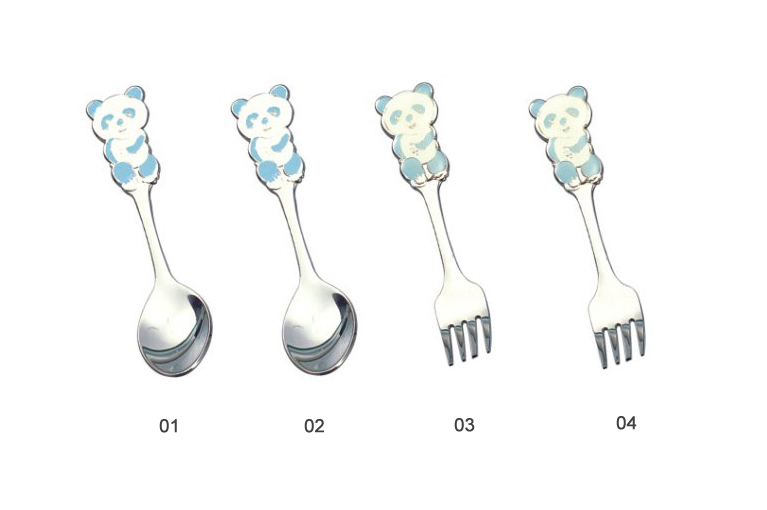
Dishes & Utensils
Source premium baby dishes and utensils from vetted suppliers and manufacturers across Asia. Designed for importers, wholesalers, distributors, and brands seeking reliable OEM and private-label production, our network delivers food-safe, compliant feeding solutions in bulk.
Sourcing baby dishes and utensils requires a rigorous balance of material safety, functional design, and strict regulatory compliance. When producing items like suction plates, training spoons, and divided bowls, the margin for error is nonexistent. A minor flaw in mold design can lead to weak suction bases, while improper curing processes can result in chemical leaching that fails international safety standards. Success in this category depends on precise material specification and partnering with facilities that maintain strict cleanroom environments and robust quality management systems.
Material Specifications and Manufacturing Processes
The choice of material dictates not only the product's safety profile but also the manufacturing method, tooling costs, and unit price. Food-grade silicone and advanced polymers dominate the premium feeding segment, but the specific grade and processing method matter immensely.
Silicone: Platinum Cured vs. Peroxide Cured
For baby utensils, silicone must be platinum-cured rather than peroxide-cured. Platinum curing leaves no volatile byproducts, ensures higher temperature resistance, and prevents the material from yellowing over time.
Manufacturers typically process silicone using one of two methods:
| Material Type | Manufacturing Process | Application | Tooling Investment |
|---|---|---|---|
| Liquid Silicone Rubber (LSR) | Injection Molding | Premium training spoons, complex suction bases | High |
| Solid/High Consistency Rubber (HCR) | Compression Molding | Standard divided plates, simple bowls | Low to Medium |
Rigid Plastics: Polypropylene (PP) and Tritan
For rigid components like fork handles or dual-material training cups, PP and Tritan are standard. Tritan is favored for its glass-like clarity and extreme impact resistance, while PP is the cost-effective workhorse. When sourcing multi-material products (e.g., a PP handle over-molded with an LSR spoon tip), ensure the factory has dual-injection (2K) molding capabilities to prevent delamination.
Need help finding a factory with certified cleanroom injection molding capabilities?
Talk to our teamCompliance, Testing, and Quality Control
Baby feeding products face some of the strictest regulatory frameworks globally. A factory claiming to produce "food-grade" items is not enough; you must specify the exact standard your target market requires.
The two primary standards are FDA (US) and LFGB (Europe). LFGB is significantly stricter, requiring comprehensive extraction testing to ensure no harmful substances transfer to food. Silicone that passes FDA testing will often fail LFGB testing unless it is high-grade, platinum-cured material. Partnering with experts for Compliance & Testing is critical before initiating mass production.
The Pinch Test
A common field test for silicone quality is the "pinch test." If solid-colored silicone turns white when pinched or twisted, it often indicates the presence of cheap plastic fillers rather than 100 percent pure food-grade silicone.
Critical QC Checkpoints
When implementing Quality Control & Inspection protocols at the factory, inspectors should focus on:
Pre-Shipment Inspection Focus Areas
- Suction efficacy: Testing bowl/plate suction on varied surfaces (wood, plastic, glass) for a specified duration.
- Flash removal: Ensuring parting lines from compression molding are perfectly trimmed to avoid sharp edges.
- Odor and residue: Checking for residual smells indicating incomplete post-curing (vulcanization).
- Tear resistance: Stress-testing thin sections, particularly on spoon tips and bib neckbands.
- Color fastness: Verifying custom Pantone matches under standardized D65 lighting.
Tooling, MOQs, and Production Economics
Developing proprietary designs through OEM/ODM Services is the standard path for brands looking to differentiate. Understanding the baseline economics helps in negotiating and planning production runs.
Tooling for standard compression-molded silicone plates is relatively inexpensive, often ranging from a few hundred to a thousand dollars per cavity. However, liquid injection molds for LSR or 2K molds for dual-material utensils require precision CNC machining and cold-runner systems, which can push tooling costs significantly higher. Always verify the factory's in-house tooling maintenance capabilities, as degraded molds lead directly to flashing and dimension defects.
Ready to optimize your unit costs and tooling investments for your next production run?
Get a free consultationFrequently Asked Questions
Executing a successful production run of baby dishes and utensils requires looking past the factory's showroom and evaluating their raw material supply chain, cleanroom standards, and mold-making precision. By tightly controlling material specifications and enforcing rigorous pre-shipment inspections, buyers can mitigate safety risks and deliver durable, compliant feeding products to the market.
Get Sourcing Help for Dishes & Utensils
Tell us your requirements and our experts will connect you with verified manufacturers.