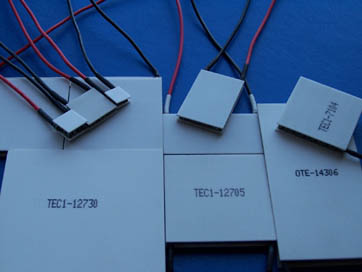
Discrete Semiconductor Modules
Source high-performance Discrete Semiconductor Modules from vetted suppliers and manufacturers across Asia. Built for OEMs, electronics distributors, and industrial importers, our wholesale network provides reliable power modules for motor drives, inverters, and power supplies. Secure competitive pricing and scalable production for your bulk procurement needs.
Sourcing discrete semiconductor modules—whether integrating IGBTs, MOSFETs, diodes, or thyristors—requires balancing electrical switching performance with rigorous thermal management. For volume buyers, the core procurement challenge is rarely just finding a supplier who offers standard industry footprints. The true difficulty lies in verifying that the packaging facility maintains strict defect controls over die attach, wire bonding, and encapsulation processes to prevent catastrophic thermal failures in the field.
Critical Specifications for Power Modules
When evaluating manufacturers, relying solely on datasheet voltage and current ratings is insufficient. The mechanical and thermal construction of the module dictates its operational lifespan. You must specify and verify the materials used in the substrate and baseplate.
| Specification Area | Standard Industrial | High-Reliability / Heavy Duty |
|---|---|---|
| Substrate Material | Al2O3 (Alumina) DBC | AlN (Aluminum Nitride) or Si3N4 |
| Baseplate | Copper (Cu) with standard plating | AlSiC (Aluminum Silicon Carbide) |
| Die Attach Method | Standard lead-free solder | Silver (Ag) sintering |
| Isolation Voltage | 2500V RMS (1 minute) | Exceeds 4000V RMS |
Thermal Resistance (RthJC)
Always request the manufacturer's test data for junction-to-case thermal resistance. Inferior solder layers with high voiding will drastically increase thermal resistance, leading to premature die failure under heavy load.
Need help verifying the technical capabilities and cleanroom standards of overseas semiconductor packaging facilities?
Talk to our teamManufacturing Processes and Quality Control
The difference between a module that operates reliably for a decade and one that fails in months comes down to the packaging and assembly process. Semiconductor packaging is highly sensitive to contamination and process variations.
Implementing rigorous Quality Control & Inspection protocols is non-negotiable. If you are procuring from a new supplier, comprehensive Factory Audits are required to verify their automated assembly lines and testing equipment.
Die Attach and Voiding
The semiconductor die is soldered or sintered to the Direct Bonded Copper (DBC) substrate. Voids in this layer create hotspots. High-end factories use Scanning Acoustic Microscopy (SAM) to ensure voiding is under 5 percent.
Heavy Wire Bonding
Thick aluminum or copper wires connect the die to the module terminals. Inconsistent bonding force or ultrasonic energy leads to heel cracks or bond lift-off during thermal cycling.
Silicone Gel Encapsulation
The module is potted with dielectric silicone gel to prevent arcing and protect against moisture. Improper curing or trapped air bubbles compromise the isolation voltage.
End-of-Line Testing
Every module must undergo 100 percent static and dynamic electrical testing, alongside high-pot (isolation) testing, before leaving the cleanroom.
Buying Mechanics: MOQs, Lead Times, and Pricing
The semiconductor supply chain is notoriously cyclical, heavily impacting lead times and pricing. Standard footprint modules (such as 62mm packages, EconoPACK equivalents, or SOT-227) are widely produced and offer more flexible sourcing terms. Custom topologies require specialized DBC layouts and dedicated tooling.
When negotiating pricing, understand that the cost of the raw silicon die dictates the baseline, but the packaging materials (copper baseplates, AlN substrates) heavily influence the final unit cost. Consolidating your component purchasing through specialized Product Sourcing channels can help leverage better pricing across multiple BOM items.
Looking to secure allocation for discrete semiconductor modules or develop a custom power package? Let our sourcing engineers manage the factory negotiations.
Get a free consultationFrequently Asked Questions
Procuring discrete semiconductor modules in bulk requires a deep understanding of packaging reliability and factory-level quality systems. By ensuring your suppliers maintain stringent controls over die attach and wire bonding, you protect your end-products from costly field failures and secure a resilient component supply chain.
Get Sourcing Help for Discrete Semiconductor Modules
Tell us your requirements and our experts will connect you with verified manufacturers.