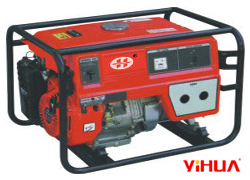
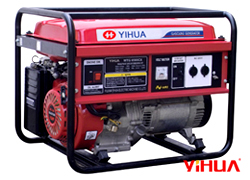
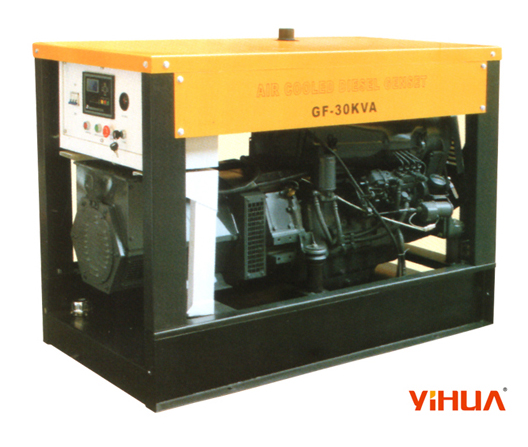
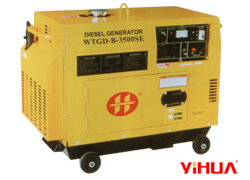
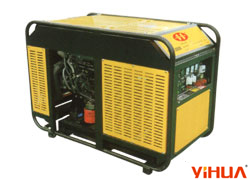
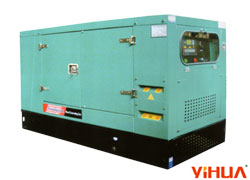
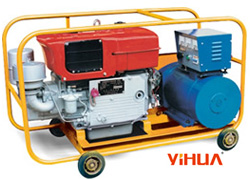
Diesel Generators
Source industrial and commercial diesel generators from vetted manufacturers and suppliers in China and across Asia. Designed for wholesalers, distributors, procurement managers, and OEM brands buying in volume, this catalog connects you with factories capable of meeting strict power output and compliance standards.
Sourcing diesel generators in bulk requires strict attention to component provenance and assembly quality. The difference between a reliable prime power unit and a failing standby generator usually comes down to alternator winding integrity, controller authenticity, and the factory's load-testing protocols. When importing container loads of power equipment, validating the supply chain of internal components is just as critical as assessing the final assembly.
Core Specifications and Component Sourcing
A diesel generator is essentially an integration of three major components: the engine, the alternator, and the control system. Chinese manufacturers generally act as assemblers, meaning your sourcing strategy must focus on specifying the exact brands and grades of these sub-components.
| Power Rating | Typical Application | Run Time | Overload Capacity |
|---|---|---|---|
| Prime Power (PRP) | Continuous industrial use | Unlimited hours per year | 10 percent for 1 hour per 12 hours |
| Standby Power (ESP) | Emergency backup | Maximum 200 to 500 hours per year | No overload permitted |
| Continuous Power (COP) | Base load power plant | Unlimited at 100 percent load | No overload permitted |
Engine Selection
Factories offer a range of engine options based on your target price point and market requirements. Premium tiers utilize international brands manufactured via Chinese joint ventures (such as DCEC or CCEC for Cummins, or Perkins). Mid-tier options rely on established domestic heavy-duty brands like Weichai, Yuchai, or FAW, which offer excellent cost-to-performance ratios for industrial applications.
Alternator Quality
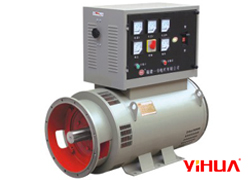
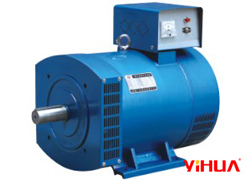
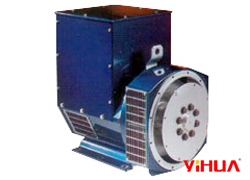
The alternator is where quality is frequently compromised to lower costs. High-end units utilize genuine Stamford or Leroy Somer alternators. For white-label production, factories offer "Stamford-type" brushless alternators. You must specify 100 percent copper windings; lower-cost factories may attempt to substitute copper-clad aluminum (CCA), which overheats under heavy loads and drastically reduces the lifespan of the unit.
Control Panels
The controller acts as the brain of the generator set. Deep Sea Electronics (DSE) and ComAp are the international standards, while SmartGen is the leading reliable domestic alternative. Counterfeit DSE controllers are common in the open market, making rigorous supplier verification essential.
Manufacturing and Quality Control
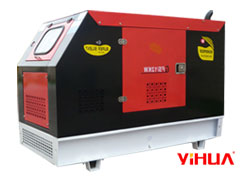
The physical assembly and testing phase is where a capable manufacturer separates itself from a lower-tier workshop. Proper sound attenuation, weatherproofing, and rigorous load testing are non-negotiable for commercial units.
Critical Factory Inspection Points
- Load bank testing: Units must be tested at 25, 50, 75, 100, and 110 percent loads.
- Canopy construction: Minimum 2mm cold-rolled steel for silent types, properly powder-coated for rust resistance.
- Sound insulation: High-density fireproof sound-absorbing sponge, properly secured.
- Wiring hygiene: Neatly routed, clearly labeled wiring harnesses within the control cabinet.
- Vibration isolation: High-quality rubber isolators between the engine/alternator and the base frame.
To ensure these standards are met before your container is sealed, rigorous Quality Control & Inspection is required. This involves on-site engineers verifying winding resistance, running load tests, and checking emissions compliance. Furthermore, conducting thorough Factory Audits prior to placing an order ensures the assembler actually holds the necessary OEM agreements with engine manufacturers.
Need a supplier with proven load-testing facilities and genuine component supply chains? Connect with our sourcing engineers.
Talk to our teamCompliance and Emissions Standards
Diesel generators face stringent regulatory hurdles depending on the destination market. Importers must ensure the engine meets local emissions standards (such as EPA Tier 3/Tier 4 Final in the US, or Stage V in Europe). Additionally, the complete generator set requires electrical safety certifications (CE, UL). Engaging in professional Compliance & Testing services prevents customs seizures and local liability issues.
Typical MOQs, Pricing, and Lead Times
Because diesel generators are high-value, heavy industrial equipment, MOQs are generally lower than consumer goods, but logistics require careful planning to optimize container space.
Pricing is highly volatile and directly tied to the global cost of copper, steel, and the specific engine brand requested. Customizing the canopy color, adding your branding, or requesting larger base fuel tanks will marginally increase lead times but adds significant value for distributors.
Managing heavy freight and complex factory negotiations? Let Merhein streamline your generator procurement.
Get a free consultationBuyer FAQ
Procuring diesel generators at scale is an exercise in risk management and precise technical specification. Success depends entirely on locking down the bill of materials and enforcing rigorous testing protocols on the factory floor before the units are ever loaded for export.
Get Sourcing Help for Diesel Generators
Tell us your requirements and our experts will connect you with verified manufacturers.