Die Cutting Machines
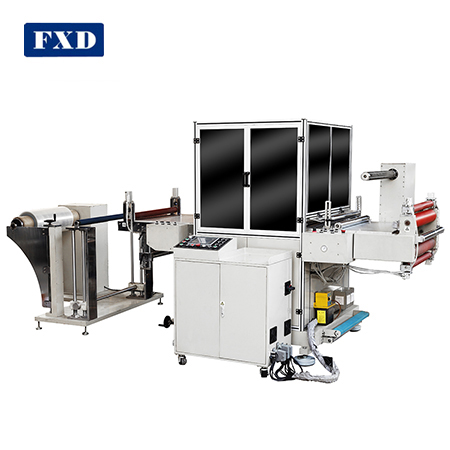
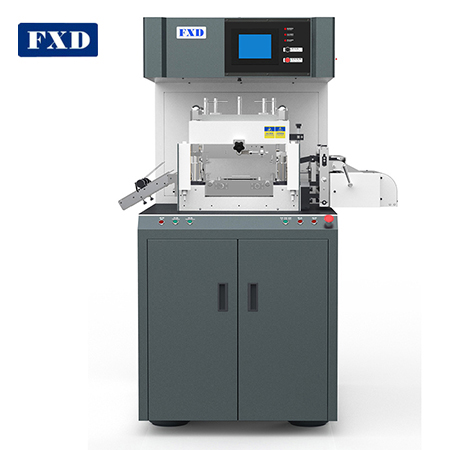
Source industrial die cutting machines from vetted manufacturers and suppliers. Designed for importers, wholesalers, and packaging brands, our network offers high-precision flatbed and rotary equipment for bulk procurement and OEM production. Discover competitive pricing and reliable quality for your manufacturing needs.
Sourcing industrial die cutting machines requires balancing upfront capital expenditure with long-term operational reliability. Whether you are procuring fully automatic flatbed machines for folding cartons or rotary cutters for corrugated boards, the primary challenge lies in verifying a manufacturer's machining tolerances, the integrity of their structural castings, and the quality of their core electrical components.
Critical Specifications for Bulk Procurement
When negotiating with manufacturers, vague specifications lead to underperforming machinery. You must define the core operational parameters based on the end-user's production environment.
Key specifications to lock down include:
- Cutting Pressure (Tonnage): Typically ranges from 150 tons for smaller formats up to 300 tons or more for large-format corrugated boards. Insufficient pressure leads to incomplete cuts and excessive make-ready times.
- Maximum Sheet Size: Dictates the machine's footprint and production capacity. Standard sizes often align with printing press outputs (e.g., 1050x750mm or 1450x1000mm).
- Operating Speed: Measured in sheets per hour (SPH). High-speed automatic machines can exceed 7,500 SPH, while semi-automatic models typically run between 3,000 and 4,500 SPH.
- Registration Accuracy: Critical for printed packaging. High-quality machines should maintain a cutting-to-print registration tolerance of +/- 0.1mm.
| Machine Type | Best For | Typical Speed (SPH) | Tooling Cost |
|---|---|---|---|
| Automatic Flatbed | Folding cartons, high precision | 5,000 - 8,000 | Moderate |
| Rotary Die Cutter | High-volume corrugated boxes | 8,000 - 12,000 | High |
| Semi-Automatic Flatbed | Short runs, thick materials | 2,000 - 4,000 | Low |
Manufacturing Quality and Factory Floor Verification
The durability of a die cutting machine is determined in the foundry and the CNC machining center, long before assembly begins. The machine frame must be cast from high-grade materials (such as Meehanite cast iron) and properly stress-relieved to dampen vibrations during high-speed operation.
Platen parallelism is another critical failure point. If the upper and lower platens are not perfectly parallel, the die will cut unevenly, forcing operators to spend hours patching the make-ready sheet. Relying on factory audits to verify a supplier's in-house CNC machining capabilities and quality management systems is essential before placing a deposit.
Factory Acceptance Test (FAT) Checklist
- Verify platen parallelism under full tonnage load.
- Inspect the origin of critical electronics (e.g., Siemens PLCs, Yaskawa servos).
- Run a continuous 4-hour high-speed test to monitor bearing temperatures.
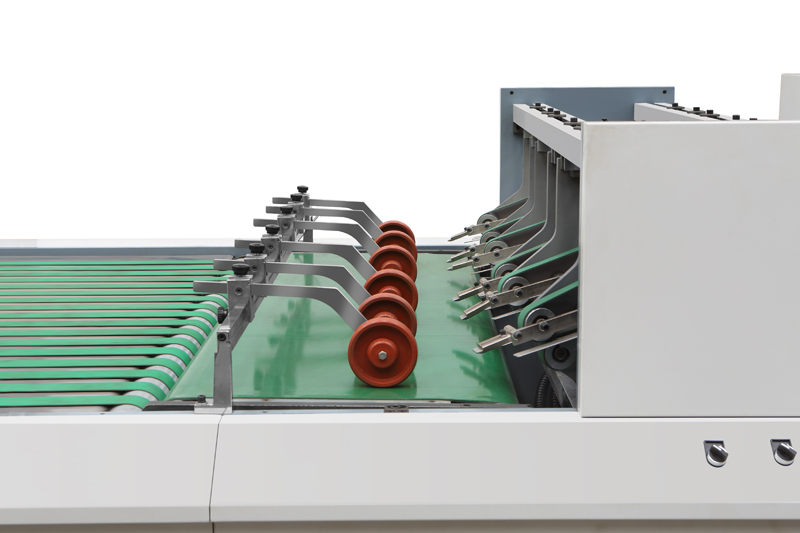
- Check the gripper bar chain tension and synchronization.
- Validate the optical registration sensors with test sheets.
Need boots on the ground to verify machine tolerances and oversee Factory Acceptance Testing? We can manage the technical inspection process on your behalf.
Talk to our teamBuying Mechanics: Pricing, MOQs, and Lead Times
Industrial packaging machinery operates on project-based timelines. While the Minimum Order Quantity (MOQ) is almost always one set, the lead times and logistical requirements demand careful planning.
Pricing is heavily influenced by the level of automation (e.g., adding stripping and blanking stations) and the origin of the core components. A standard automatic flatbed die cutter may range from $40,000 to $80,000, while fully automated, large-format machines with inline blanking can easily exceed $150,000.
Because these machines weigh anywhere from 12 to 25 tons, they require specialized container loading (often flat racks or open-top containers). Coordinating shipping & freight for heavy, Out-of-Gauge (OOG) cargo requires specialized rigging at the factory and precise customs documentation to avoid port delays.
Managing heavy machinery procurement, specialized freight, and cross-border payments? Let us streamline your supply chain from factory floor to final installation.
Get a free consultationFrequently Asked Questions
Procuring die cutting machines is a capital-intensive process where the total cost of ownership is defined by machine uptime and maintenance overhead. Focusing purely on the lowest FOB price often results in costly production bottlenecks down the line. Rigorous technical vetting and strict pre-shipment quality control are the most effective ways to protect your machinery investment.
Get Sourcing Help for Die Cutting Machines
Tell us your requirements and our experts will connect you with verified manufacturers.