Diagnostic Tools
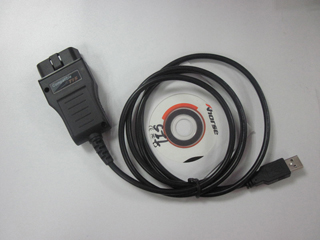
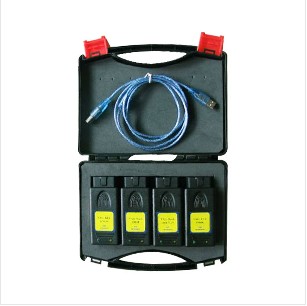
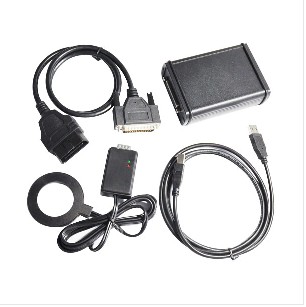
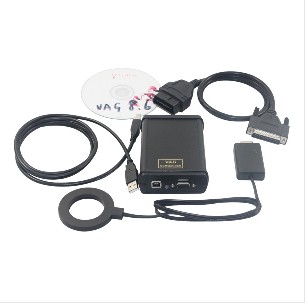
Source professional automotive diagnostic tools from vetted manufacturers and suppliers in China. Designed for importers, wholesalers, and brands seeking reliable OEM and private-label production, our network delivers bulk OBD2 scanners, code readers, and advanced system testers built to strict industry standards.
Sourcing automotive diagnostic tools requires navigating a complex intersection of hardware reliability and software compatibility. Whether you are procuring basic OBD2 code readers for the consumer retail market or advanced bidirectional diagnostic tablets for professional workshops, the core challenge lies in securing stable firmware, robust PCB assemblies, and comprehensive vehicle protocol support. Partnering with the right factory means evaluating not just their assembly lines, but their software development and licensing capabilities.
Critical Hardware and Protocol Specifications
A diagnostic tool is only as reliable as its internal architecture. When evaluating suppliers, you must scrutinize the components that dictate processing speed, connection stability, and vehicle compatibility.
Core Architecture
- Microcontroller Unit (MCU): Professional tools require robust processing power (often ARM Cortex-based) to handle live data streams and active testing without lag. Basic code readers can utilize simpler 16-bit or 32-bit MCUs.
- Memory (RAM/ROM): Sufficient onboard storage is critical for housing extensive vehicle databases and allowing for future Over-The-Air (OTA) software updates.
- Connectivity: For wireless diagnostic interfaces (VCI), Bluetooth 4.0/5.0 or dual-band Wi-Fi modules must offer stable, high-speed data transfer to prevent connection drops during ECU flashing or critical resets.
Protocol Compatibility
Ensure the factory's firmware fully supports the standard OBD2 protocols. Missing protocols will result in high return rates from end-users unable to connect to specific vehicle makes.
- ISO 15765-4 (CAN - Controller Area Network)
- SAE J1850 PWM and VPW (Ford and GM)
- ISO 9141-2 (Asian and European vehicles)
- ISO 14230-4 (KWP2000)
Struggling to verify a factory's software R&D capabilities? We can evaluate their technical infrastructure before you commit.
Talk to our teamManufacturing Processes and Quality Control
Diagnostic tools are highly sensitive electronic devices. Quality is won or lost during Surface Mount Technology (SMT) assembly and firmware flashing.
Many factories assemble hardware but outsource software development, which can lead to integration issues or pirated software databases. Conducting thorough factory audits is essential to verify whether a supplier has legitimate software licensing agreements and in-house R&D teams capable of providing long-term update support.
Key Quality Control Checks for Diagnostic Tools
- Protocol Handshake Testing: Verifying successful connection across multiple ECU simulators.
- Voltage Fluctuation Tolerance: Ensuring the tool withstands voltage spikes from vehicle alternators (up to 36V for heavy-duty tools).
- Screen and UI Responsiveness: Checking for touchscreen latency and display clarity under direct light.
- Drop and Vibration Testing: Validating housing durability for workshop environments.
- Wireless Stability: Testing Bluetooth/Wi-Fi signal strength and reconnect protocols.
To prevent defective units from shipping, implement strict quality control and inspection protocols at the factory level, focusing heavily on functional software testing rather than just visual hardware checks.
Customization and OEM/ODM Production
For brands looking to differentiate, diagnostic tools offer extensive customization options. Engaging in OEM/ODM services allows you to tailor both the physical product and the user experience.
| Customization Level | Hardware Modifications | Software Modifications |
|---|---|---|
| White-Label (Basic) | Custom housing color, silk-printed logo, branded packaging. | Custom boot screen logo, basic UI color changes. |
| Co-Development (Mid) | Customized housing molds, upgraded screen resolution or battery. | Integration of proprietary diagnostic algorithms, custom UI layout. |
| Full ODM (Advanced) | Completely unique PCB layout, specialized VCI dongle design. | Ground-up software development, proprietary cloud database integration. |
Typical MOQs, Pricing, and Lead Times
Pricing in this category is heavily dependent on the software license included with the device, the screen size, and the depth of bidirectional control.
- Basic OBD2 Scanners: Often range from $5 to $15 per unit. These have high MOQs but fast production times as they utilize standardized, non-updatable firmware.
- Bluetooth/Wi-Fi Dongles: Ranging from $3 to $12 per unit, depending on the quality of the Bluetooth module and whether they include licensed companion apps.
- Bidirectional Diagnostic Tablets: Ranging from $150 to over $600 per unit. The hardware cost is only a fraction of the price; the bulk of the cost covers the licensed vehicle database and server maintenance for OTA updates.
Ready to source reliable diagnostic tools at scale? Let us help you negotiate pricing and secure favorable MOQs.
Get a free consultationBuyer FAQs
Successfully sourcing diagnostic tools requires looking past the plastic housing to evaluate the firmware stability and the supplier's technical pedigree. By focusing on stringent functional testing and verifying software capabilities, you can build a reliable product line that automotive professionals trust.
Get Sourcing Help for Diagnostic Tools
Tell us your requirements and our experts will connect you with verified manufacturers.