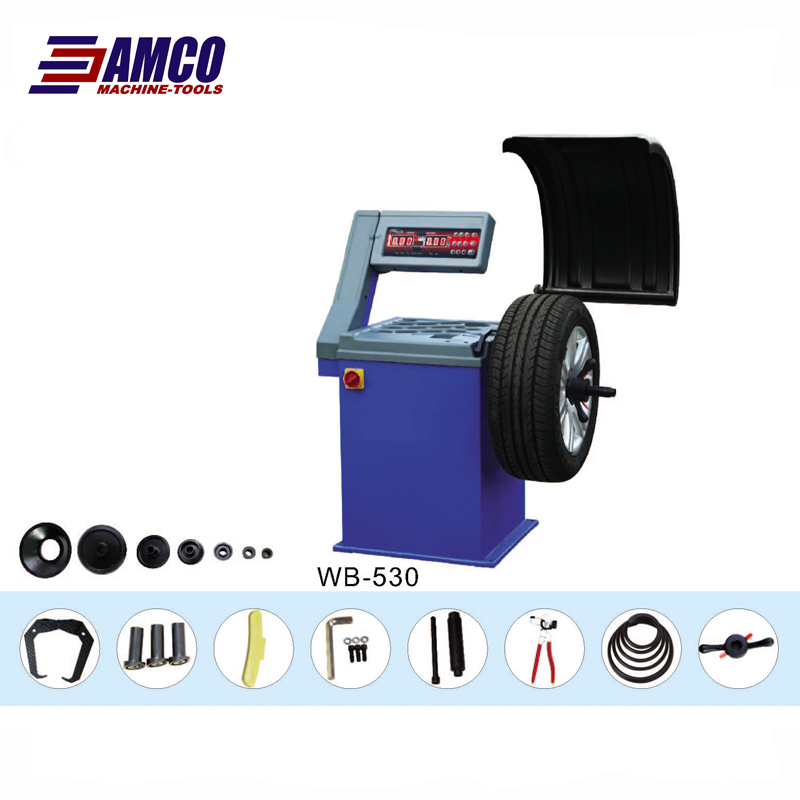
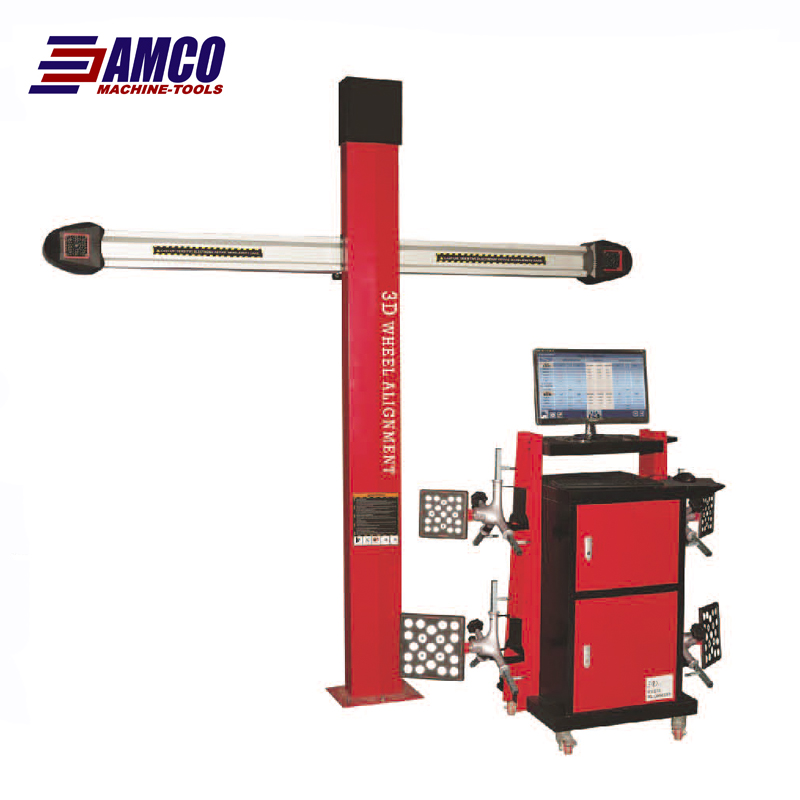
Diagnostic Equipment
Source reliable automotive diagnostic equipment directly from vetted manufacturers and suppliers. Designed for importers, wholesalers, and aftermarket brands, our network supports bulk orders and custom OEM/ODM production to ensure your diagnostic tools meet rigorous workshop demands and international standards.
Sourcing automotive diagnostic equipment in volume requires navigating a complex intersection of robust hardware engineering and constantly evolving software architecture. For importers and aftermarket brands, the challenge is not just finding a factory that can assemble a screen and a PCB, but identifying a manufacturer with the R&D capability to support modern vehicle protocols, manage software licensing, and deliver hardware that survives demanding workshop environments.
Core Technical Specifications to Define
When negotiating with manufacturers, vague specifications lead to underperforming tools that fail on the workshop floor. You must define the exact hardware and protocol requirements upfront.
- Protocol Support: Ensure compatibility with standard OBD-II protocols (ISO 9141, KWP2000, J1850, CAN) and advanced protocols like DoIP (Diagnostics over Internet Protocol) and CAN FD for newer vehicles.
- Processing Power & Storage: Diagnostic software is resource-heavy. Specify minimum RAM (typically 2GB to 4GB for mid-range tools) and internal storage (32GB to 64GB) to accommodate future vehicle database updates.
- Connectivity Stability: For wireless VCI (Vehicle Communication Interface) units, specify dual-band Wi-Fi and Bluetooth 5.0 or higher to prevent connection drops during critical ECU flashing procedures.
- Display & Touch Interface: Specify industrial-grade capacitive touchscreens with high brightness (minimum 400 nits) and shatter-resistant glass.
| Specification | Basic Code Readers | Professional Diagnostic Tablets |
|---|---|---|
| Processor | ARM Cortex-M series | Quad-core or Octa-core ARM |
| OS Environment | Proprietary RTOS | Customized Android |
| Protocol Coverage | Standard OBD-II only | OBD-II, CAN FD, DoIP, UDS |
| Update Mechanism | USB via PC | OTA (Over-The-Air) via Wi-Fi |
Struggling to verify a supplier's software capabilities? Let our sourcing experts evaluate their R&D infrastructure and protocol coverage.
Talk to our teamManufacturing Processes and Quality Control
The reliability of diagnostic equipment depends heavily on the quality of the PCB assembly and the ruggedness of the outer casing. Many factories outsource the SMT (Surface Mount Technology) processes. It is critical to verify that the PCBA supplier uses automated optical inspection (AOI) to catch soldering defects on high-density ICs.
Critical Quality Checkpoints
- Environmental Testing: Units must undergo thermal cycling (typically from minus 10 to 60 degrees Celsius) to ensure the LCD and battery perform in extreme garage temperatures.
- Drop and Impact Resistance: Casings are usually over-molded with TPU or TPR over an ABS/PC core. Specify drop test standards (e.g., 1.5 meters onto concrete).
- Component Traceability: Ensure the factory uses traceable, genuine components for critical ICs (like CAN transceivers) to prevent protocol communication failures.
Implementing rigorous Quality Control & Inspection during the assembly phase and prior to shipment is the only way to ensure that the hardware meets these strict environmental and performance standards.
OEM and Private Label Customization
For brands looking to establish their own line of diagnostic tools, OEM/ODM Services offer varying levels of customization.
White-labeling an existing hardware platform is the fastest route to market. You can customize the casing color, boot logo, and UI color scheme. However, if you require specific hardware integrations—such as built-in oscilloscopes or specialized heavy-duty truck connectors—you will need an ODM approach. This requires a deeper evaluation of the factory's engineering team and a clear agreement on intellectual property ownership for the custom mold and software UI.
Typical MOQs, Pricing, and Lead Times
Pricing in the diagnostic equipment sector is heavily influenced by the software licensing model (perpetual vs. subscription) and the hardware specifications.
Conducting comprehensive Factory Audits is essential before committing to these MOQs. You must confirm that the supplier is an actual manufacturer with an in-house software development team, rather than a trading company rebranding a generic tool with no post-sale update support.
Need to negotiate better MOQs or verify a factory's software update infrastructure? Contact us to discuss your sourcing strategy.
Get a free consultationFrequently Asked Questions
Successfully sourcing diagnostic equipment requires looking past the hardware shell and evaluating the software ecosystem that drives it. By defining strict technical requirements and validating the manufacturer's R&D capabilities, you can build a reliable product line that professionals trust.
Get Sourcing Help for Diagnostic Equipment
Tell us your requirements and our experts will connect you with verified manufacturers.