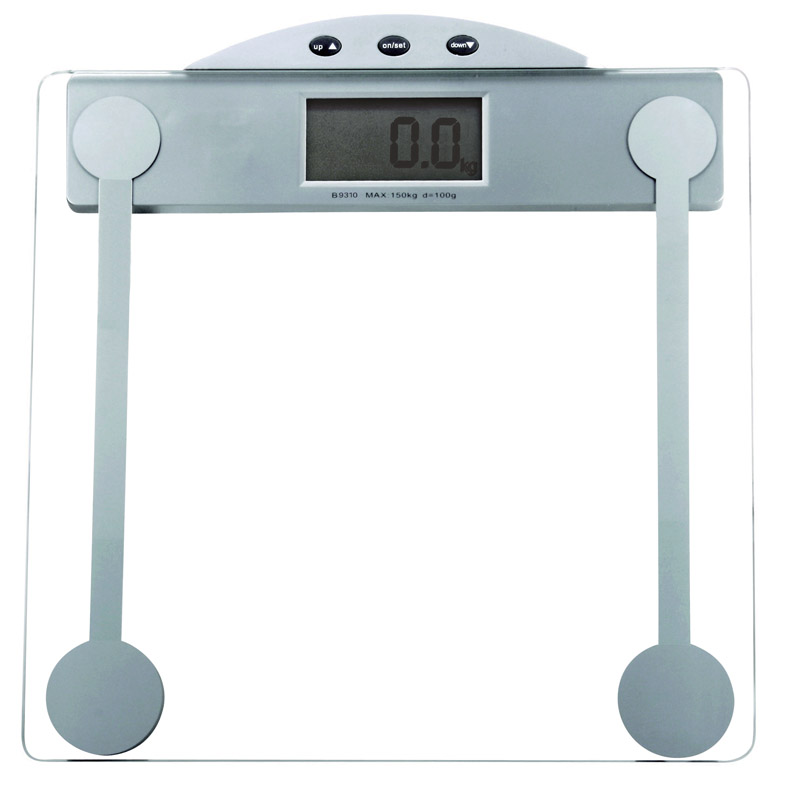
Detector & Testing Equipment
Source high-precision Detector & Testing Equipment from vetted suppliers and manufacturers across Asia. Designed for medical distributors, wholesalers, and brands seeking OEM or private-label production, our network delivers reliable health monitoring devices that meet strict global regulatory standards.
Sourcing health care detector and testing equipment requires balancing stringent regulatory compliance with component reliability. Whether you are procuring blood pressure monitors, pulse oximeters, or digital thermometers, the core challenge remains the same: ensuring consistent sensor calibration across high-volume production runs. A variance of a few percentage points or milliseconds in response time can render an entire batch unsellable or non-compliant.
Component Selection and Sensor Precision
The heart of any diagnostic device is its sensor and microcontroller unit (MCU). Low-cost suppliers often substitute tier-one MCUs with generic alternatives to cut costs, which directly impacts measurement accuracy, battery efficiency, and device longevity. When defining your technical requirements, specify the exact sensor origin and acceptable tolerance levels in your Bill of Materials (BOM).
For optical sensors used in oximetry, define the specific wavelength tolerances. For electrochemical sensors used in glucose or cholesterol meters, mandate strict batch-testing protocols for the reagent strips and sensor contacts.
| Specification | Consumer-Grade (OTC) | Clinical-Grade (Professional) |
|---|---|---|
| Accuracy Tolerance | ±2% to 3% | ±1% or tighter |
| Sensor Lifespan | 1 to 2 years | 3 to 5+ years |
| Calibration Method | Factory pre-set only | Dynamic / Recalibratable |
| Data Output | Local display only | Encrypted API / Bluetooth |
Discuss your technical specifications, component sourcing, and compliance needs with our engineering specialists.
Talk to our teamFactory Capabilities & Quality Assurance
Not all electronics assemblers are equipped to manufacture health care testing equipment. You need a partner with an established ISO 13485 quality management system. Conducting thorough factory audits is critical to assess their Surface Mount Technology (SMT) lines for PCB assembly and to ensure they have dedicated cleanrooms for sensitive component integration.
Catching calibration drift or firmware errors after the goods leave the factory is a costly mistake. Implementing rigorous quality control protocols is non-negotiable for medical and diagnostic devices.
Critical QC Checkpoints for Testing Equipment
- Aging tests: Minimum 48-hour burn-in testing for all electronic components and displays.
- Environmental chambers: Testing devices at extreme humidity and temperature ranges to ensure sensor stability.
- Automated calibration verification: Using test jigs on the assembly line to verify the accuracy of every single unit, not just random samples.
- Firmware stability checks: Stress-testing the MCU to prevent freezing or data-loss during continuous monitoring.
Furthermore, your supplier must be able to provide the necessary documentation and traceability for compliance and testing, such as FDA 510(k) clearances, CE MDR technical files, and RoHS/REACH compliance for all plastics and solders.
Sourcing Mechanics: MOQs, Lead Times, and Pricing
Tooling for custom enclosures or proprietary sensor arrays heavily influences your initial capital outlay. Standard white-label devices require lower minimums, but custom firmware, proprietary algorithms, or API integrations for telehealth applications will push MOQs higher. Component shortages, particularly for specialized medical-grade ICs, can also cause lead times to fluctuate.
Need to map out production costs and lead times for your specific device? Let us analyze your BOM and requirements.
Get a free consultationFrequently Asked Questions
Successful procurement of diagnostic and testing equipment hinges on strict component control and relentless quality assurance. By locking down your bill of materials and enforcing rigorous in-line testing, you protect both your brand reputation and the reliability of the data your end-users depend on.
Get Sourcing Help for Detector & Testing Equipment
Tell us your requirements and our experts will connect you with verified manufacturers.