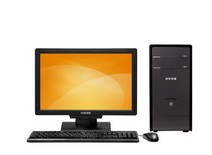
Desktops
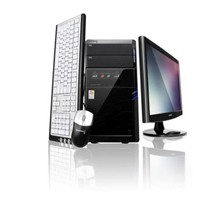
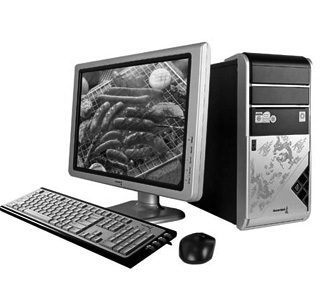
Source commercial and consumer desktops from vetted suppliers and manufacturers across Asia. Built for importers, IT hardware distributors, and systems integrators seeking reliable bulk purchasing or OEM/ODM production, our network delivers scalable manufacturing for everything from standard office workstations to specialized barebone PC kits.
Sourcing desktop computers at volume requires strict control over component compatibility, thermal design, and assembly consistency. Whether you are scaling a private-label line of enterprise workstations or importing specialized gaming systems, success depends on partnering with assembly facilities that maintain rigorous quality management systems and transparent component supply chains.
The desktop manufacturing ecosystem in Asia—primarily concentrated in Shenzhen and Taiwan—ranges from simple assembly workshops to advanced facilities capable of custom chassis tooling and proprietary motherboard design. Identifying the right tier of factory is the first critical step in a profitable procurement strategy.
Sourcing Models: Barebone vs. Fully Configured
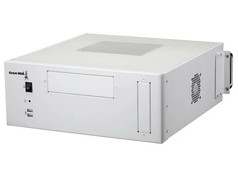
When importing desktops, buyers typically choose between barebone systems and fully configured units. Your choice dictates the type of factory you need and the complexity of your supply chain.
If you are developing custom systems, engaging professional OEM/ODM Services is essential to manage chassis tooling, proprietary I/O layouts, and thermal validation before mass production begins.
| Sourcing Model | Barebone Systems | Fully Configured Desktops |
|---|---|---|
| Included Components | Chassis, motherboard, power supply (PSU), cooling. | All components (CPU, RAM, Storage, OS, GPU). |
| Flexibility | High. Add CPU/RAM/Storage locally based on market demand. | Low. Locked in at the factory level. |
| Tariffs & Logistics | Often lower import duties; lighter shipping weight. | Higher duties; subject to volatile memory/storage pricing. |
| Ideal Buyer | System integrators, local IT distributors. | Turnkey consumer brands, enterprise bulk buyers. |
Struggling to find reliable desktop assembly partners? Let us vet the right factories and negotiate component pricing for your exact specifications.
Talk to our teamCritical Quality Control Checkpoints
In desktop manufacturing, defects rarely stem from the core silicon (which is supplied by major global vendors). Instead, failures occur during assembly, thermal pasting, cable routing, and power supply integration. Implementing robust Quality Control & Inspection directly on the factory floor is non-negotiable.
Factories must perform comprehensive burn-in testing to ensure system stability under load. If a factory relies solely on quick boot tests, they are not suitable for commercial-grade sourcing.
Essential Factory Testing Protocols
- Thermal Validation: Continuous full-load testing to monitor CPU/GPU throttling and chassis airflow.
- Burn-In Testing: 12 to 24-hour continuous operation in elevated temperature chambers.
- I/O Port Integrity: Mechanical insertion tests for USB, HDMI, DisplayPort, and audio jacks.
- Cable Management Verification: Ensuring cables do not obstruct airflow or risk contact with cooling fans.
- Acoustic Testing: Measuring decibel output to ensure fans operate within specified tolerances.
Compliance and Certifications
Desktop computers must clear strict regulatory hurdles before entering major markets. Customs officials routinely seize electronics lacking proper documentation. Because desktops contain power supplies and wireless communication modules (Wi-Fi/Bluetooth), they trigger multiple regulatory frameworks.
Relying on a supplier's pre-existing certificates is risky, as these often apply only to specific component combinations. If you change the power supply or motherboard revision, the system must be re-certified. Utilizing professional Compliance & Testing services ensures your specific bill of materials (BOM) meets all destination requirements, including CE (Europe), FCC (USA), RoHS (hazardous materials), and Energy Star efficiency standards.
Typical MOQs, Pricing, and Lead Times
Desktop manufacturing is highly sensitive to the global spot market for silicon. Prices for RAM, SSDs, and CPUs fluctuate weekly, meaning factory quotes often have a short validity period (typically 7 to 14 days).
Managing Component Volatility
Do not lock in long-term pricing for fully configured desktops without a mechanism to adjust for RAM and SSD market fluctuations. Smart buyers separate the chassis/assembly cost from the silicon cost.
Need to lock in production schedules and manage component volatility? We oversee the entire supply chain from procurement to final delivery.
Get a free consultationFrequently Asked Questions
Successfully importing desktop computers requires balancing component volatility with rigorous assembly standards. By focusing on thermal design, standardized testing, and strict BOM control, you can build a resilient supply chain that delivers reliable hardware at scale.
Get Sourcing Help for Desktops
Tell us your requirements and our experts will connect you with verified manufacturers.