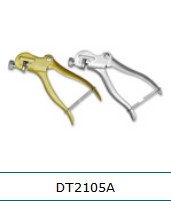
Dental Surgical Instruments
Source premium dental surgical instruments in bulk from vetted manufacturers and suppliers. Designed for importers, medical distributors, wholesalers, and brands seeking reliable OEM and private-label production. Ensure strict metallurgical standards, regulatory compliance, and consistent quality across your entire supply chain.
Sourcing dental surgical instruments at scale requires navigating a complex matrix of metallurgical standards, precision machining tolerances, and stringent medical device regulations. For professional buyers, the challenge is rarely finding a factory that can produce a basic tool; it is finding a partner capable of maintaining exact Rockwell hardness (HRC) ratings, flawless surface passivation, and consistent articulation across tens of thousands of units.
Material Selection: Metallurgy and Performance
The foundation of any surgical instrument is its material grade. While "stainless steel" is the baseline, the specific alloy determines the instrument's functional lifespan, edge retention, and resistance to repeated autoclave sterilization cycles.
| Material Grade | Primary Application | Key Characteristics |
|---|---|---|
| Martensitic Steel (410/420 series) | Cutting instruments, forceps, elevators | High carbon content for superior hardness (HRC 45-55); requires precise heat treatment. |
| Austenitic Steel (304/316L series) | Handles, retractors, non-cutting parts | Excellent corrosion resistance; cannot be hardened by heat treatment. |
| Titanium Alloys (Ti-6Al-4V) | Implants, specialized microsurgery tools | Lightweight, non-magnetic, superior biocompatibility, higher unit cost. |
When negotiating with manufacturers, specify the exact steel grade and demand material test reports (MTRs) for every batch. A common failure point in low-cost sourcing is the substitution of 420 steel with lower-carbon alternatives, resulting in instruments that lose their edge or bend under extraction torque.
Manufacturing Precision and Surface Treatment
The difference between a clinical-grade instrument and a reject often comes down to the final stages of manufacturing. Heat treatment must be precisely calibrated to achieve the target hardness without inducing brittleness.
Following machining and polishing, instruments must undergo rigorous passivation—typically a nitric or citric acid bath—to remove free iron from the surface and form a protective chromium oxide layer. Inadequate passivation leads to pitting and rust after only a few autoclave cycles.
Critical Quality Control Checkpoints
- Joint articulation: Box joints and lap joints must move smoothly with zero lateral play.
- Serrated jaws: Teeth must interlock perfectly without daylight visible when closed.
- Edge retention: Cutting instruments must pass standardized sharpness testing post-heat treatment.
- Surface finish: Zero burrs, micro-cracks, or polishing compound residue under magnification.
- Passivation verification: Copper sulfate testing to ensure complete removal of free iron.
Implementing comprehensive Quality Control & Inspection protocols before the goods leave the factory is non-negotiable. Catching a batch with defective box joints or failed passivation at the destination warehouse results in total loss.
Need to establish rigorous testing protocols for your next instrument order? Talk to our medical sourcing specialists about implementing pre-shipment inspections that catch metallurgical and machining defects at the factory floor.
Discuss your QC requirementsRegulatory Compliance and Factory Audits
Dental surgical instruments are classified as medical devices (typically Class I or Class IIa depending on the jurisdiction and function). Your manufacturing partner must not only produce a quality product but also maintain the quality management systems required by your target market.
Verification is Mandatory
Never accept a CE mark or FDA registration at face value. Always verify the manufacturer's ISO 13485 certification directly with the issuing registrar, and ensure their scope of certification explicitly covers dental or surgical instruments.
Conducting thorough Factory Audits is essential. You need to verify their cleanroom standards (if applicable to the packaging), their raw material traceability systems, and their in-house testing capabilities (e.g., hardness testers, optical comparators, and salt spray chambers). Furthermore, if you are importing into the EU or US, ensure the factory can support your technical file requirements for Compliance & Testing.
Pricing Drivers, MOQs, and Production Lead Times
The cost of dental surgical instruments is dictated by material grade, complexity of the joint (e.g., box joints cost significantly more to machine than lap joints), and the level of customization.
For brands looking to establish their own product lines, OEM/ODM Services offer options ranging from simple laser-etched branding on standard molds to fully custom ergonomic handle designs. Be aware that custom molds for forged instruments will incur upfront tooling costs and typically require higher MOQs to amortize the setup.
Planning a new line of private-label dental instruments? Let our team help you negotiate MOQs, manage tooling costs, and secure reliable production capacity with audited medical device manufacturers.
Get a sourcing consultationSourcing clinical-grade dental instruments requires a supply chain built on traceability, precision, and verified compliance. By strictly controlling your material specifications and enforcing robust quality checks at the factory level, you can secure high-performance instruments that protect both patient outcomes and your brand's reputation.
Get Sourcing Help for Dental Surgical Instruments
Tell us your requirements and our experts will connect you with verified manufacturers.