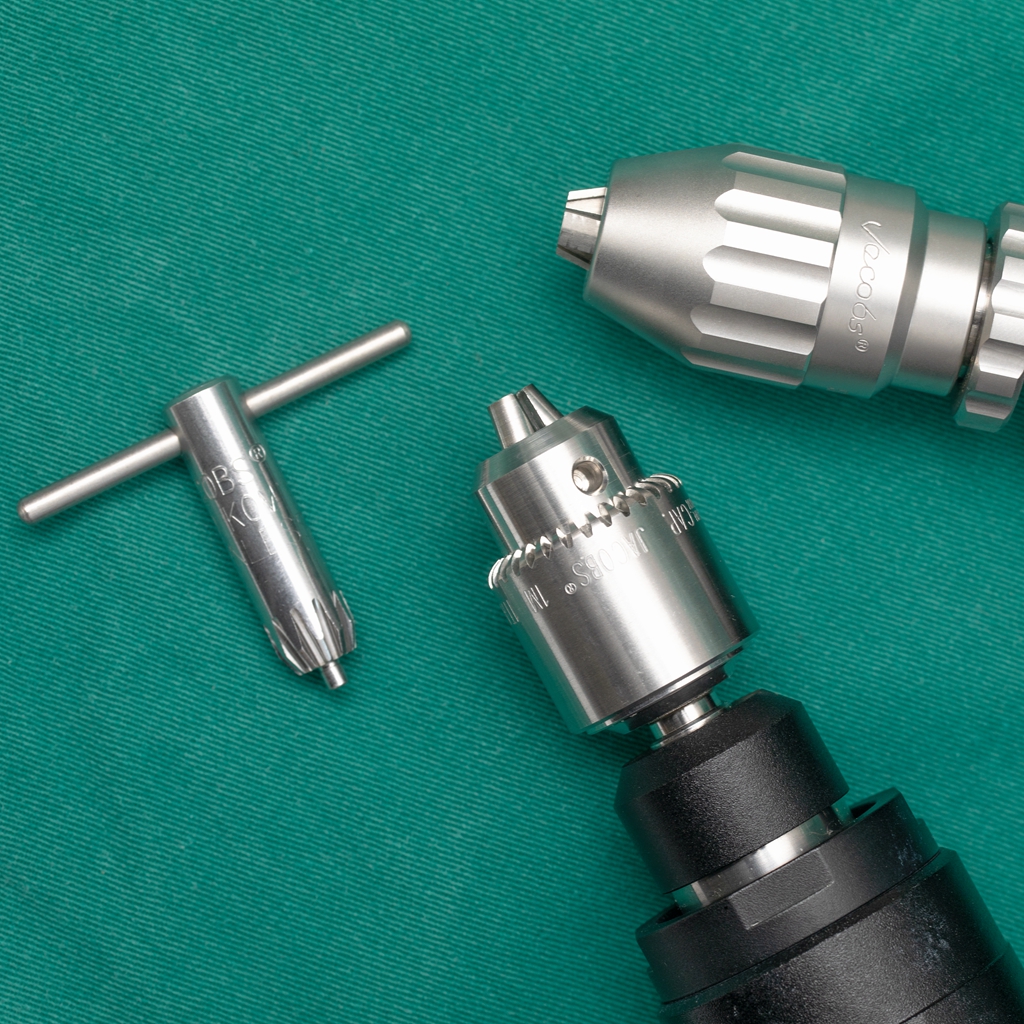
Dental Drills & Accessories
Source professional Dental Drills & Accessories from vetted manufacturers and suppliers. Designed for medical device importers, dental supply distributors, and brands seeking reliable OEM/private-label production, our network delivers high-performance handpieces and components built to strict clinical standards.
Sourcing dental drills (commonly referred to as handpieces) and their associated accessories requires navigating strict medical device regulations, microscopic engineering tolerances, and stringent clinical durability requirements. For bulk buyers, the primary challenge is moving beyond surface-level specifications to identify manufacturers capable of consistently delivering dynamically balanced turbines, precision-machined chucks, and housings that can withstand thousands of harsh sterilization cycles.
Core Specifications and Engineering Tolerances
Whether you are procuring high-speed air-driven turbines or low-speed electric motor systems, the internal components dictate the lifespan and performance of the drill. Buyers must specify exact requirements for bearings, chuck mechanisms, and water spray configurations.
| Specification | High-Speed Air Turbine | Low-Speed Electric |
|---|---|---|
| Typical RPM Range | 300,000 to 450,000 | 100 to 40,000 (constant torque) |
| Primary Application | Enamel cutting, cavity preparation | Polishing, finishing, caries removal |
| Cooling System | Multi-port water spray (3 to 5 ports) | Internal or external irrigation |
| Bearing Material | Ceramic (preferred for heat resistance) | Stainless steel or ceramic |
When working with factories on custom specifications or private-label designs, utilizing professional OEM/ODM Services ensures that your specific torque requirements and ergonomic casing designs translate accurately to the production line.
Bearing Selection: Ceramic vs. Steel
At speeds exceeding 300,000 RPM, bearing friction is the leading cause of handpiece failure. Ceramic bearings are approximately 25 percent harder and 50 percent lighter than their stainless steel counterparts. This weight reduction minimizes centrifugal force during operation, reducing wear on the bearing cage and extending the operational life of the drill. Always specify the bearing grade and origin (e.g., German or Japanese bearings are heavily preferred in premium OEM builds) when negotiating with suppliers.
Manufacturing Quality and Defect Prevention
The difference between a clinical-grade handpiece and a failing unit is often measured in microns. Dynamic balancing of the turbine cartridge is critical; even microscopic imbalances will cause excessive vibration, leading to rapid bearing degradation and unacceptable noise levels for patients.
Autoclave Degradation
A common failure point in lower-tier handpieces is the degradation of internal O-rings and fiber-optic glass rods after repeated sterilization. Ensure your supplier tests components to withstand at least 1,000 cycles at 135 degrees Celsius.
To mitigate these risks, implementing rigorous Quality Control & Inspection protocols is essential. Inspectors must evaluate units post-assembly for concentricity (runout) to ensure the bur does not wobble during operation.
Critical Pre-Shipment Inspection Points
- Concentricity testing (bur runout must be under 0.02mm)
- Dynamic noise level testing (should not exceed 65 dB at maximum RPM)
- Chuck retention force measurement (minimum 30N for push-button types)
- Water spray pattern and pressure consistency verification
- Illumination intensity checks for fiber-optic or LED models
Struggling with inconsistent handpiece quality? Let our engineers help you establish robust inspection criteria and vet your supply chain.
Talk to our teamRegulatory Compliance and Factory Audits
Dental drills are classified as medical devices (Class IIa in the EU, Class I or II in the US depending on the specific type). You cannot rely solely on a supplier's provided certificates. You must verify that the manufacturing facility operates under a valid ISO 13485 quality management system.
Conducting thorough Factory Audits before placing an order is non-negotiable. Auditors should verify the factory's cleanroom standards, CNC machining capabilities, and the traceability of raw materials (especially the titanium or surgical stainless steel used for the handpiece body). Furthermore, independent Compliance & Testing is highly recommended to validate CE marking or FDA 510(k) clearances, ensuring your shipment is not seized at customs.
Sourcing Realities: MOQs, Pricing, and Lead Times
Pricing in this category is heavily dependent on the internal components (e.g., imported ceramic bearings vs. domestic steel) and the complexity of the housing material (e.g., titanium alloys vs. brass with chrome plating).
Tooling for custom ergonomic housings can add 30 to 45 days to your initial timeline and requires upfront investment. When planning your procurement cycle, factor in the time required for regulatory documentation review and prototype sterilization testing.
Need to scale your private-label dental equipment? We manage the entire process from factory vetting to final medical compliance.
Get a free consultationFrequently Asked Questions
Securing a reliable supply of clinical-grade dental drills requires strict oversight of engineering tolerances and a deep understanding of medical device compliance. By partnering with vetted manufacturers and enforcing rigorous, data-driven quality control, importers can build a resilient supply chain that meets the demanding standards of dental professionals.
Get Sourcing Help for Dental Drills & Accessories
Tell us your requirements and our experts will connect you with verified manufacturers.