Dehydrators
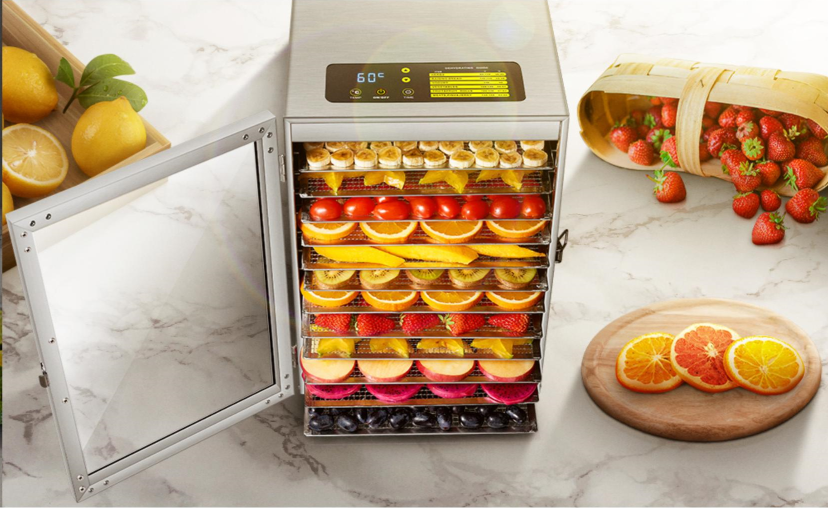
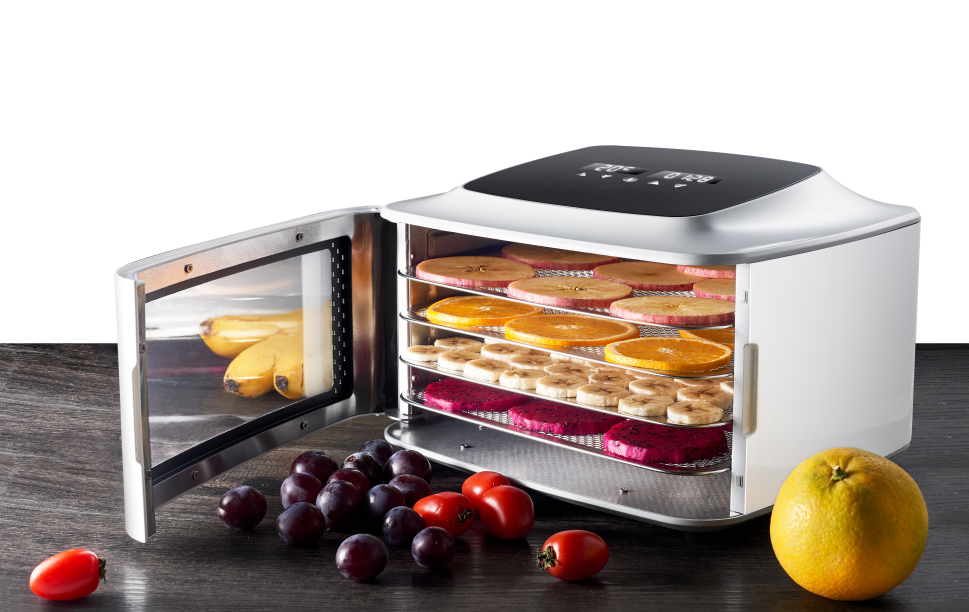
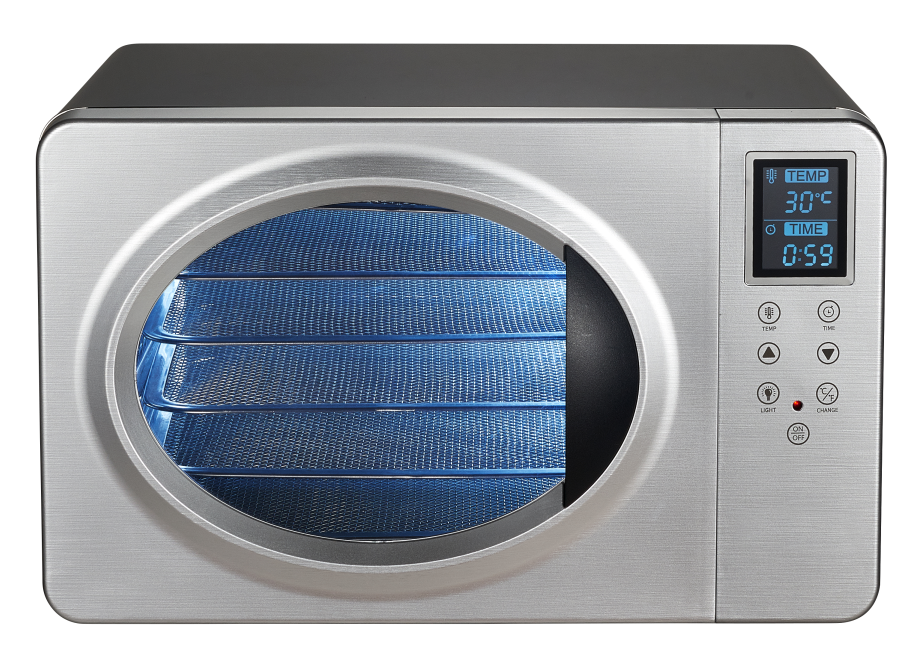
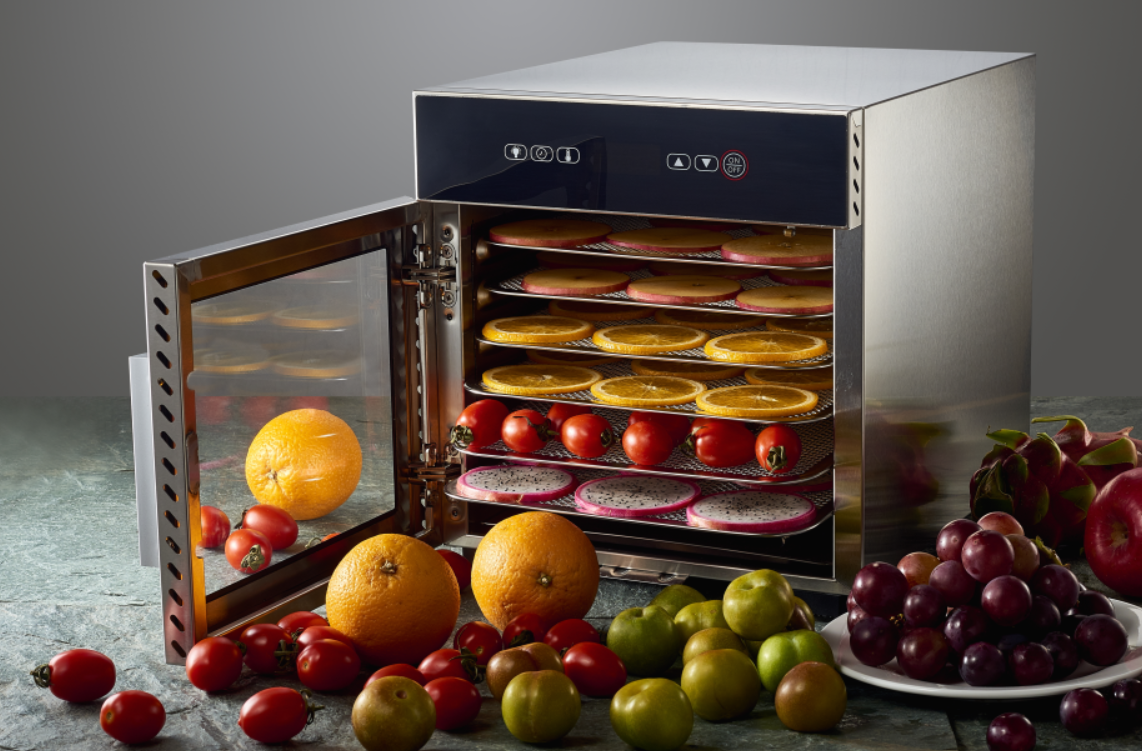
Source high-quality dehydrators from vetted suppliers and manufacturers across Asia. Designed for importers, wholesalers, distributors, and appliance brands seeking reliable OEM and private-label production. Secure competitive bulk pricing on residential and commercial food dehydration units built to your exact specifications.
Sourcing food dehydrators requires navigating a crowded manufacturing landscape where external aesthetics often mask internal component quality. For volume buyers and appliance brands, the primary sourcing challenge lies in ensuring consistent airflow, precise temperature calibration, and the use of verified food-safe materials. A poorly specified motor or an uncalibrated thermostat can lead to uneven drying, high return rates, and potential safety compliance failures.
Core Technical Specifications to Define
When negotiating with manufacturers, vague specifications invite substituted components. To secure a reliable product, you must define the mechanical and electrical parameters of your units.
Airflow Mechanics and Fan Placement
The placement of the fan and heating element dictates the unit's efficiency and market positioning.
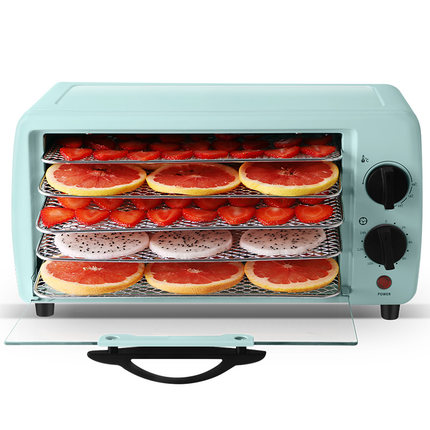
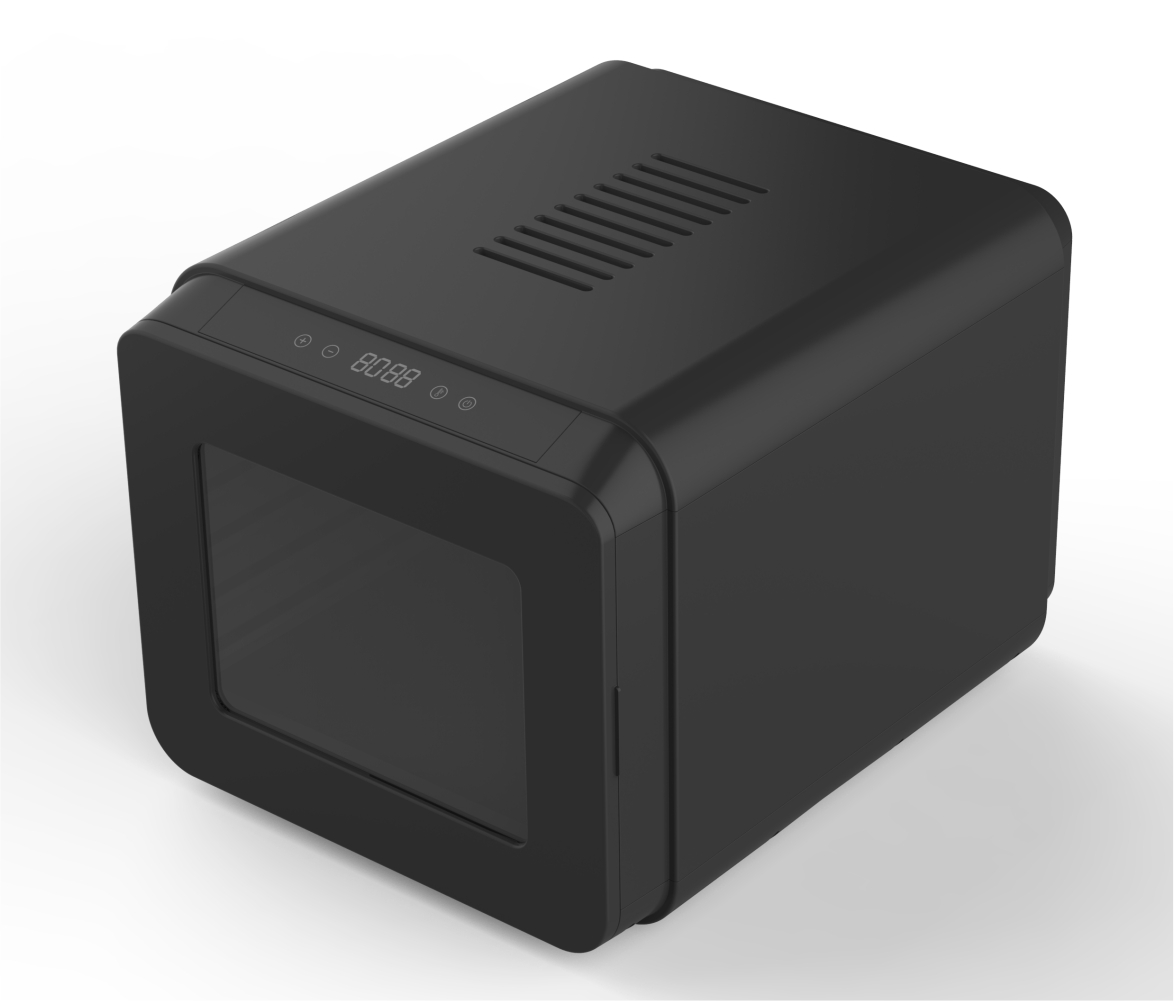
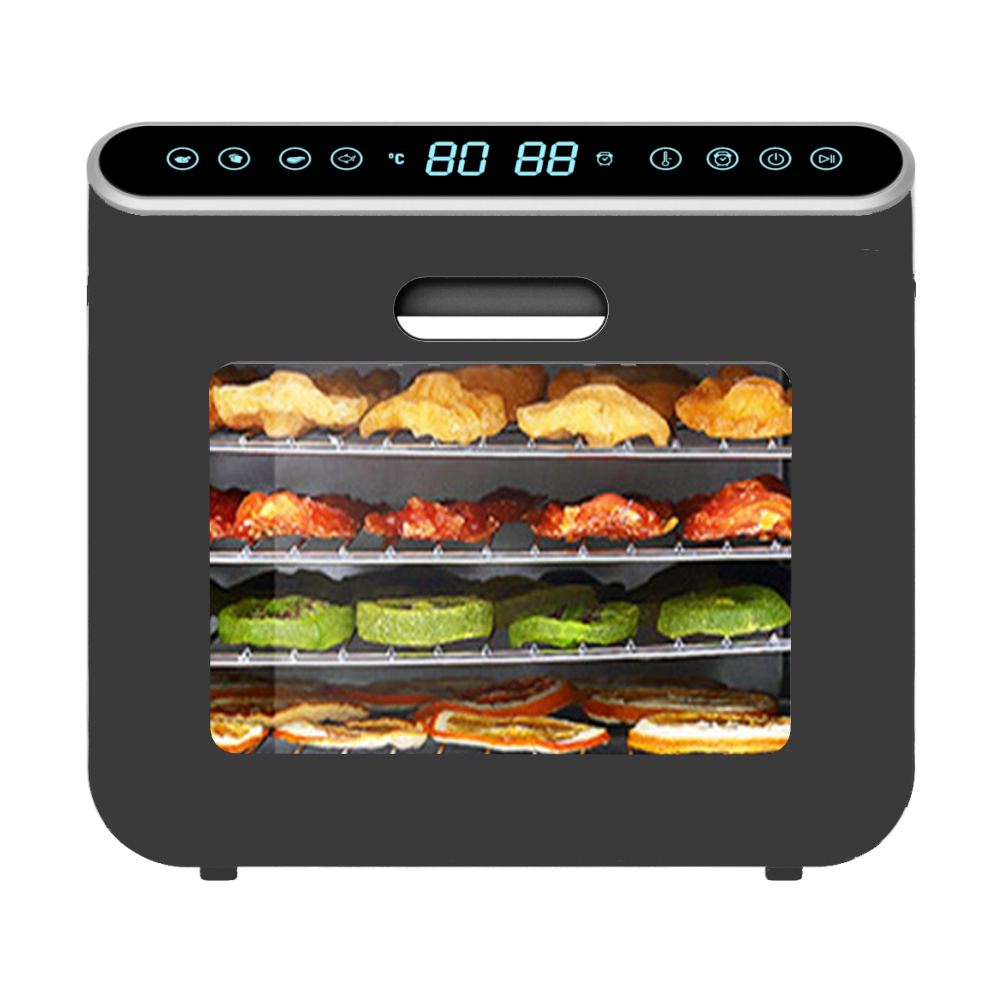
- Rear-Mounted (Horizontal Airflow): Standard in commercial and premium residential models. These draw air from the back and push it evenly across all trays, preventing flavor mixing and eliminating the need for users to rotate trays.
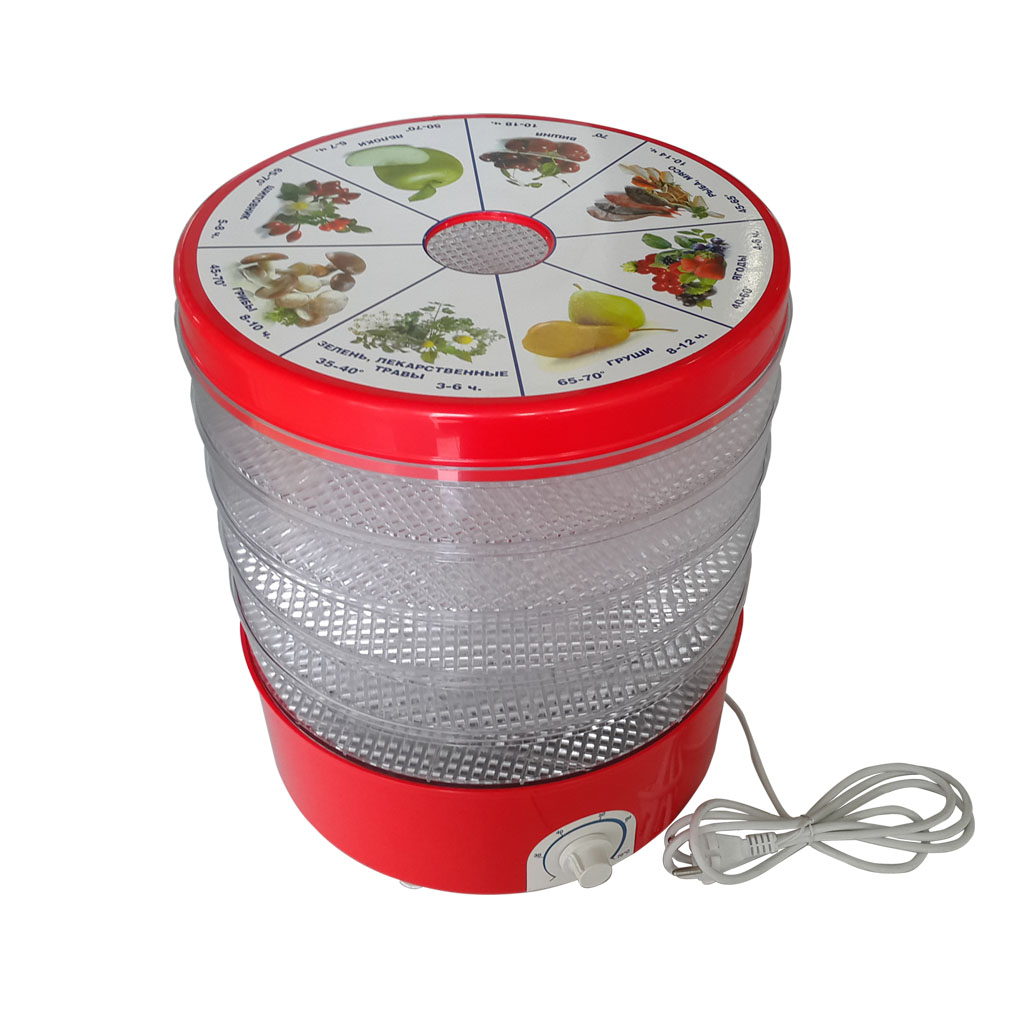
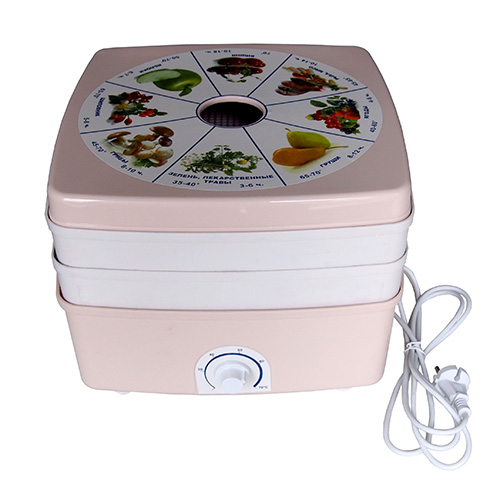
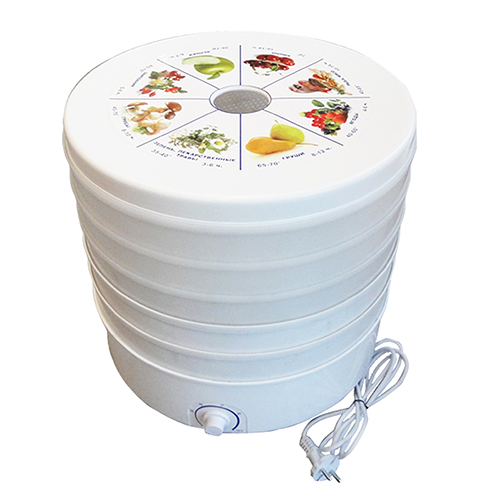
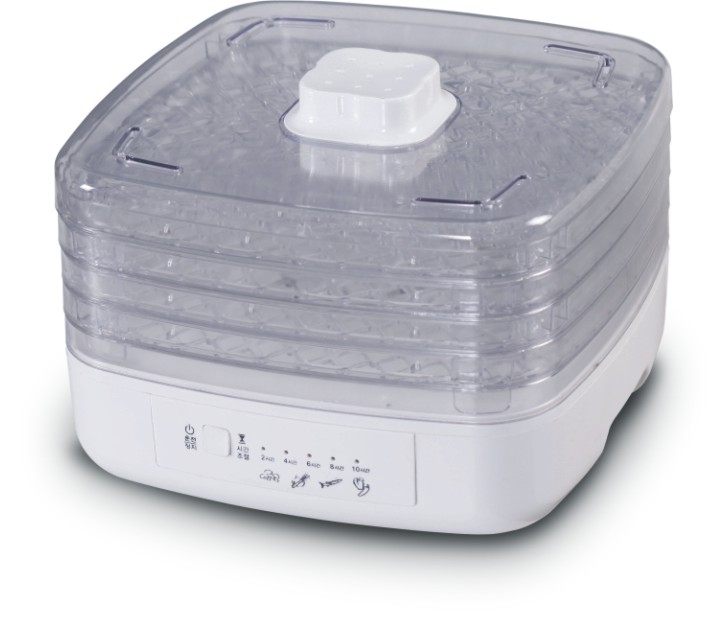
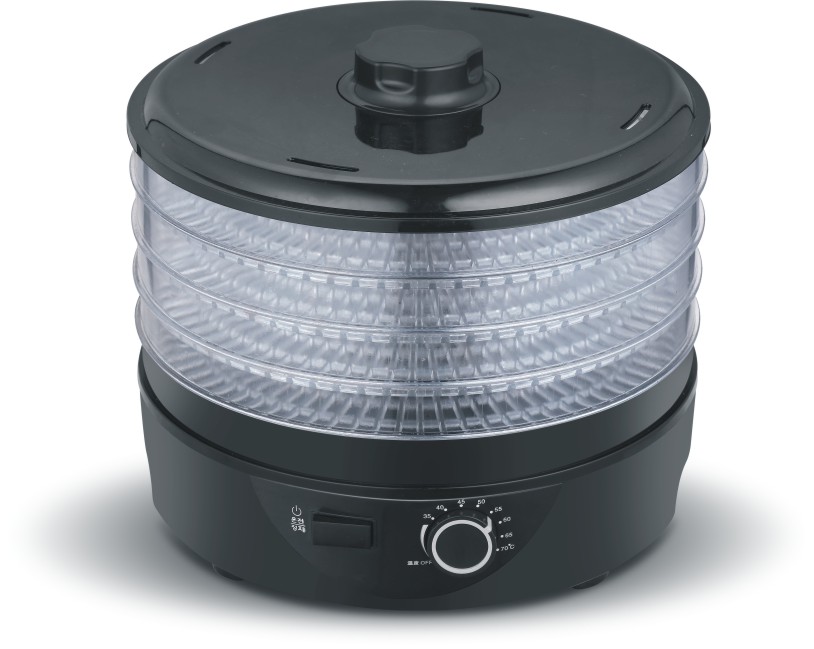
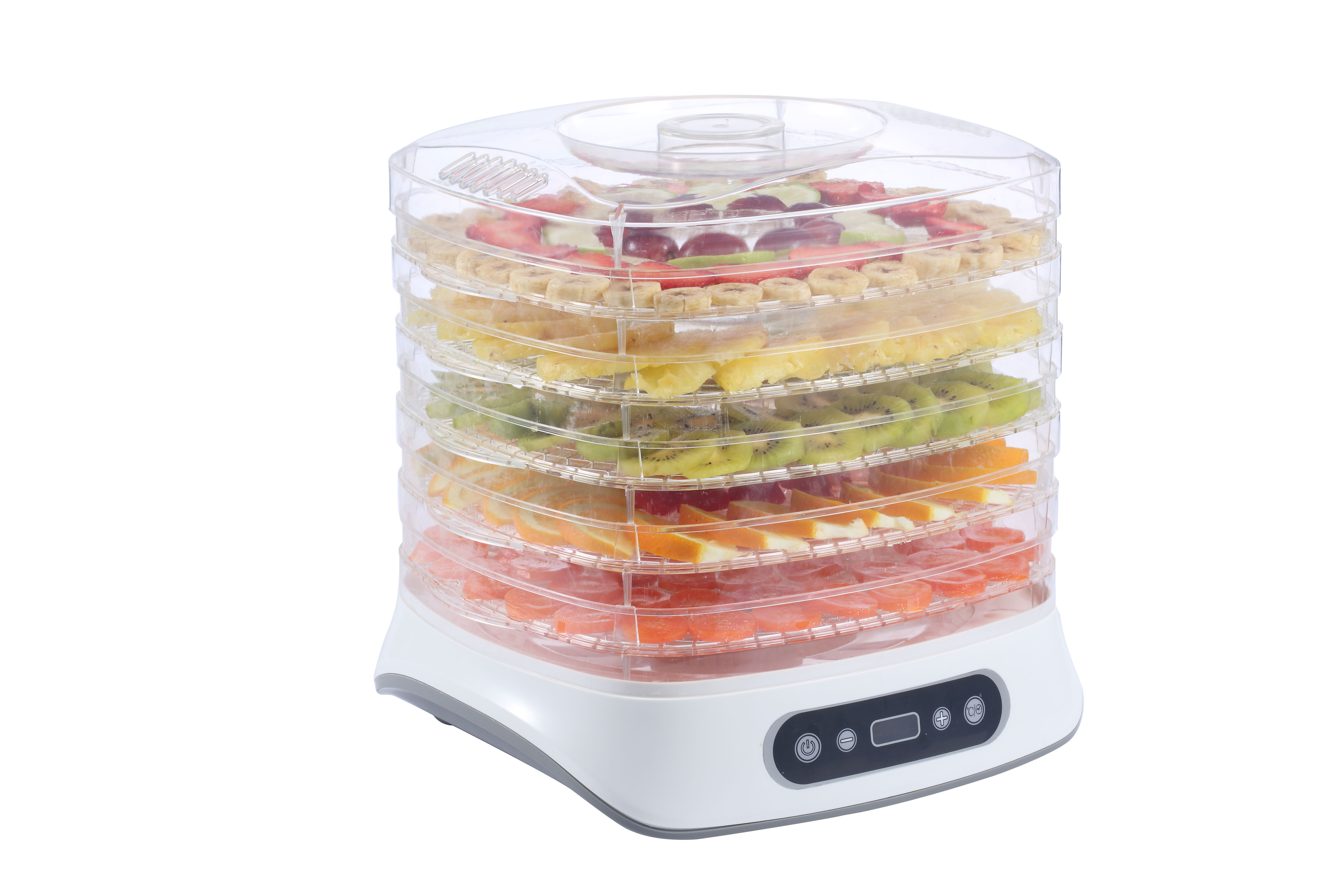
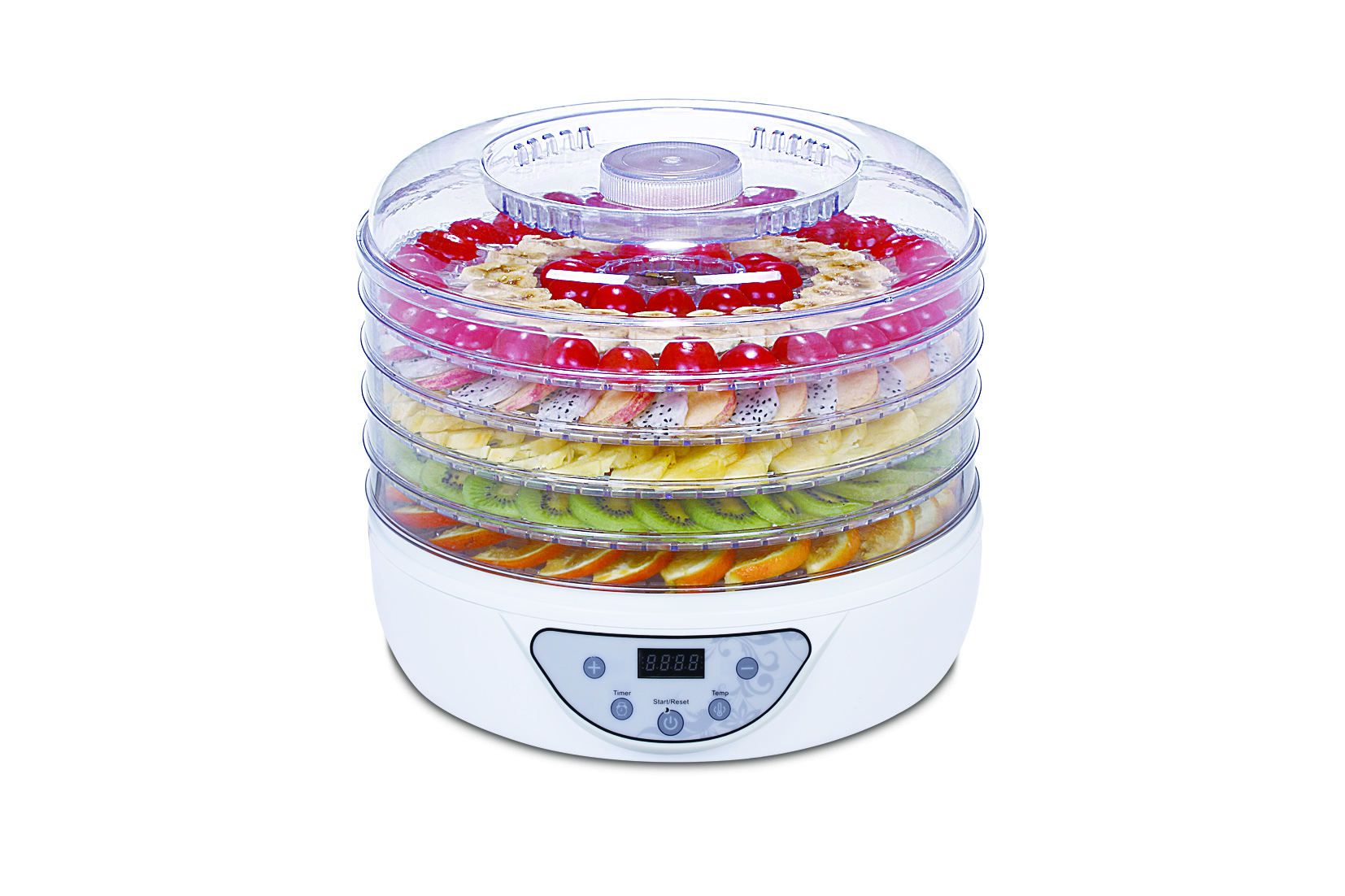
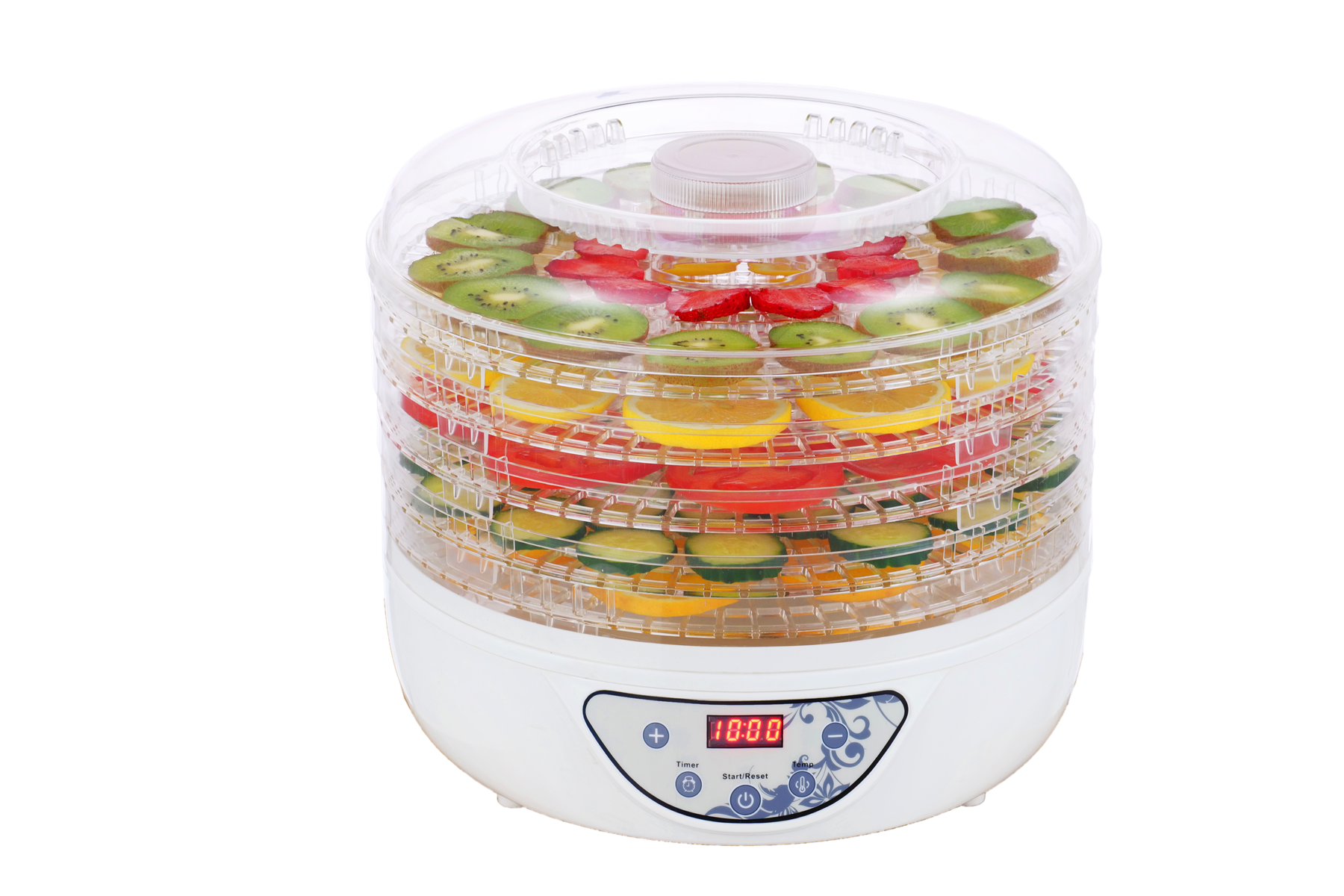
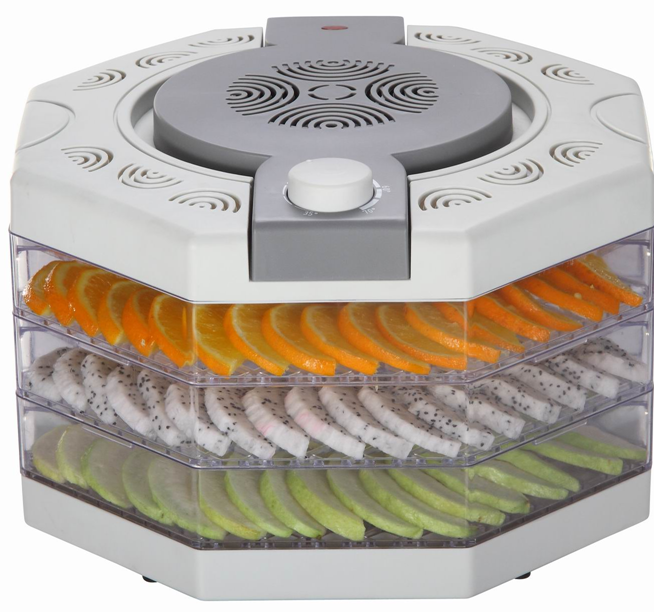
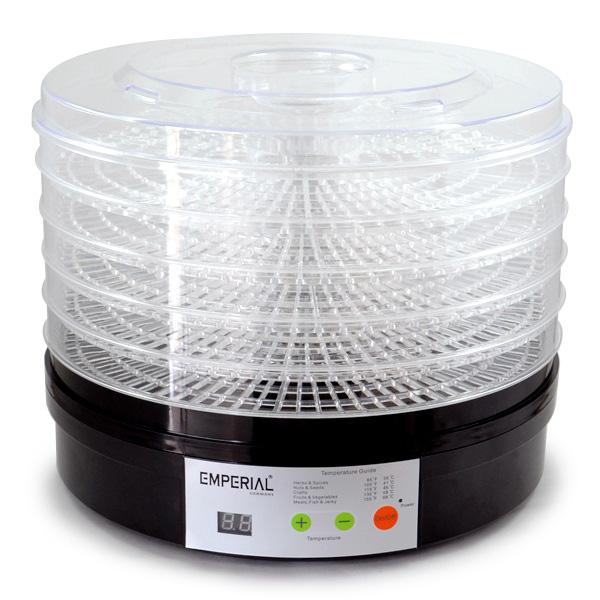
- Bottom-Mounted (Vertical Airflow): Common in entry-level, stackable plastic models. Air is pushed up from the base. These are cheaper to manufacture but often result in uneven drying, requiring higher wattage to compensate for poor airflow dynamics.
Material Selection: Housing and Trays
Material choices directly impact production costs, thermal retention, and food safety compliance.
| Material Type | Typical Application | Sourcing Considerations |
|---|---|---|
| BPA-Free Plastics (AS/PS/PP) | Entry-level, stackable units | Requires strict LFGB/FDA certification verification; susceptible to warping at higher temperatures. |
| SUS201 Stainless Steel | Mid-range residential models | Cost-effective metal housing, but prone to rust in high-humidity environments. |
| SUS304 Stainless Steel | Premium & commercial units | Excellent corrosion resistance, superior thermal retention, higher raw material cost. |
Struggling to verify food-contact material certifications from your current suppliers? We can help you audit factory compliance and secure reliable production lines.
Talk to our teamManufacturing Tolerances and Quality Control
The factory floor is where a dehydrator's reliability is determined. Inconsistent winding in the fan motor or poorly calibrated bi-metallic thermostats are common defects that only appear after extended use.
Implementing rigorous Quality Control & Inspection protocols during production is critical. In-line inspections should focus on the assembly of the heating element and the wiring harness, ensuring all connections are insulated and secure to prevent short circuits during prolonged operation (often 24 to 48 hours continuously).
Pre-Shipment Inspection Focus Areas for Dehydrators
- Thermostat Calibration: Verify temperature output matches digital/analog dial settings within a 2-degree Celsius margin.
- Decibel Testing: Ensure fan noise remains under 50dB to meet residential appliance expectations.
- Thermal Cut-off Verification: Test the safety fuse to ensure the unit shuts down automatically if the primary thermostat fails.
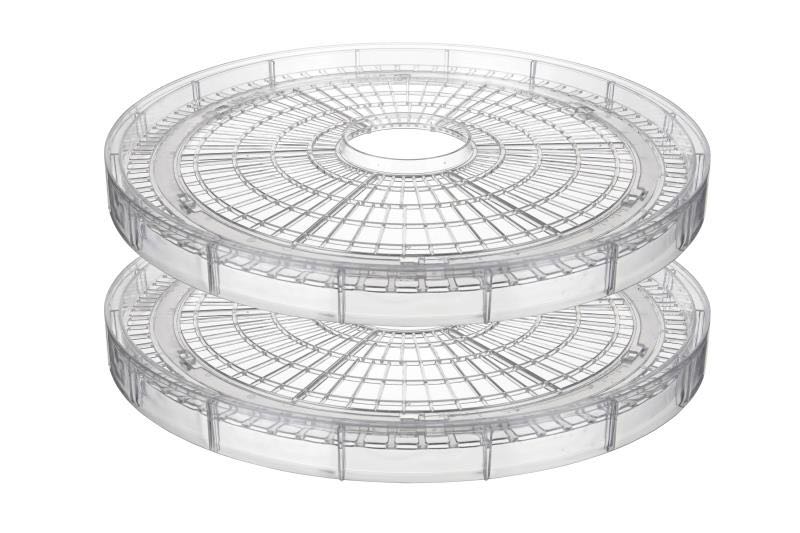
- Tray Fitment: Check expansion tolerances of plastic or metal trays when heated to maximum capacity to prevent jamming.
Furthermore, importing electrical appliances with food-contact surfaces requires navigating dual regulatory frameworks. Partnering with experts for Compliance & Testing ensures your units meet electrical standards (UL, ETL, CE, RoHS) while passing stringent chemical migration tests for the trays and interior housing.
Pricing Drivers, MOQs, and Lead Times
Understanding the baseline realities of dehydrator manufacturing in hubs like Guangdong and Zhejiang helps set accurate procurement budgets and timelines.
If you are developing a completely custom unit, utilizing OEM/ODM Services allows you to control the tooling of the outer casing and the custom programming of the digital control board. Note that custom tooling will push initial lead times out by an additional 30 to 45 days and require higher initial capital for molds.
Ready to negotiate better pricing or develop a custom dehydrator line? Let our sourcing engineers manage the factory negotiations and quality assurance for you.
Get a free consultationBuyer FAQ
Successfully sourcing dehydrators requires looking past the outer casing and dictating the quality of the internal heating and airflow components. By controlling the bill of materials and enforcing strict electrical and material compliance at the factory level, you can build a reliable appliance line that protects your brand's reputation.
Get Sourcing Help for Dehydrators
Tell us your requirements and our experts will connect you with verified manufacturers.