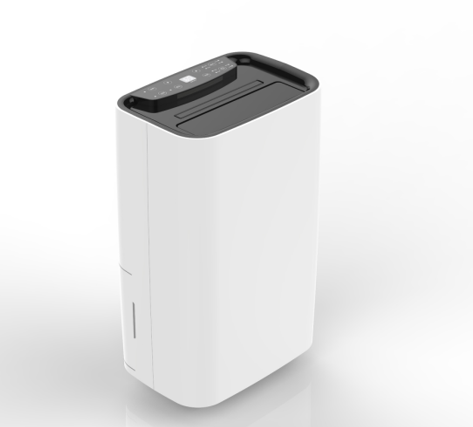
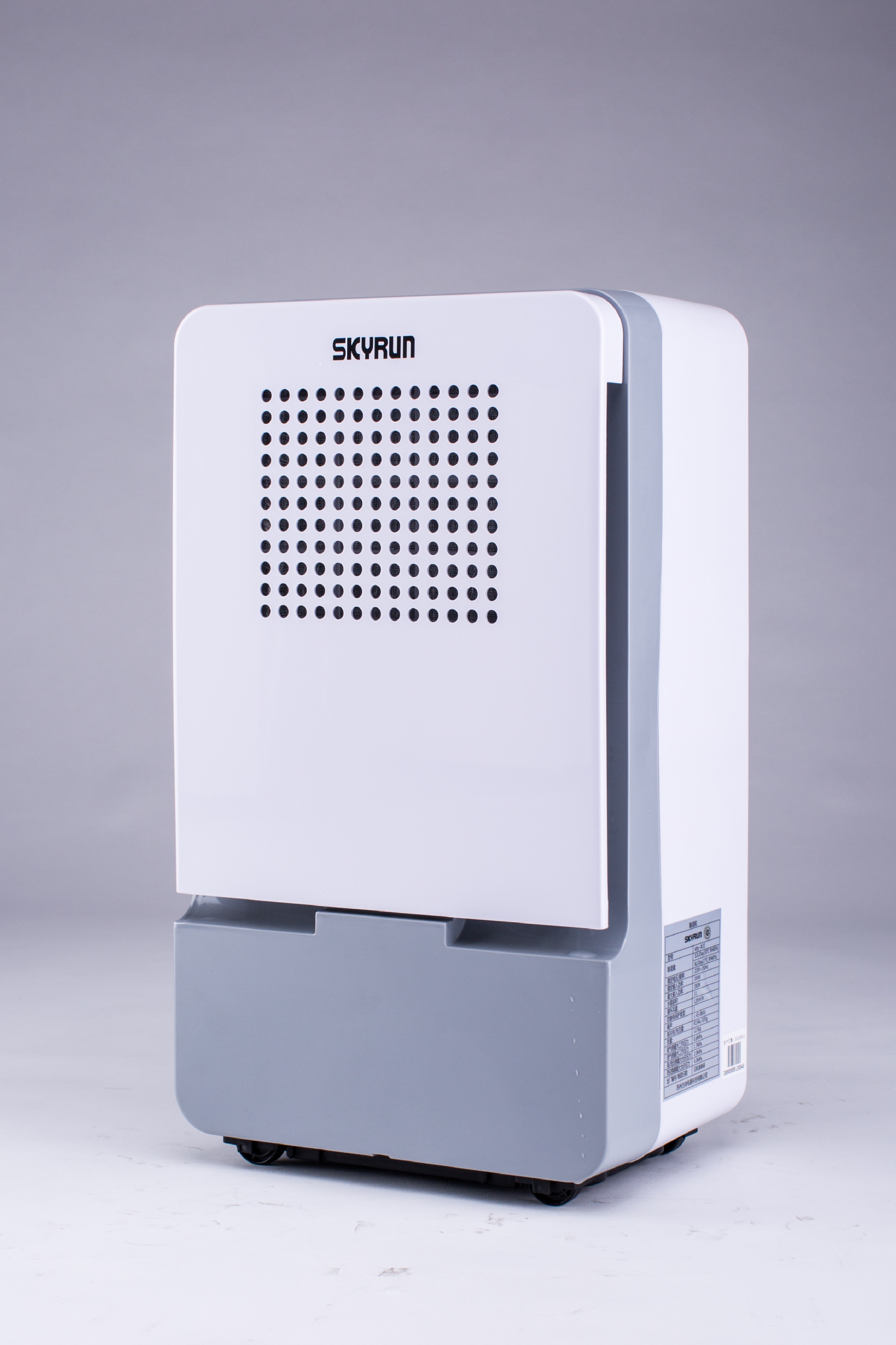
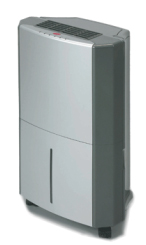
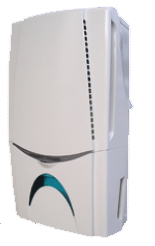
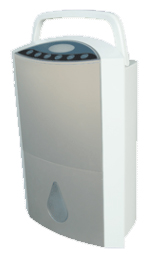
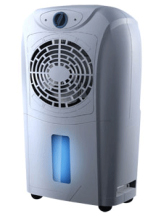
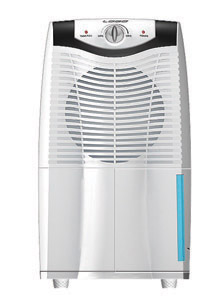
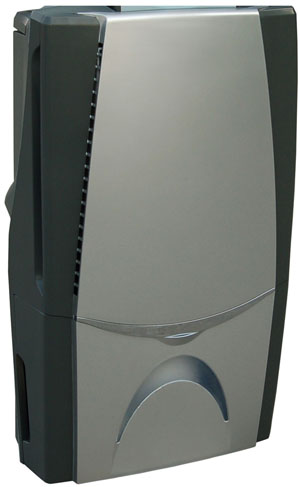
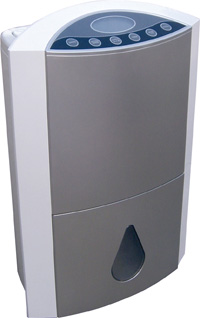
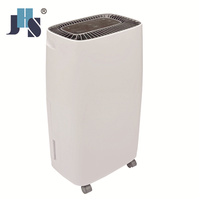
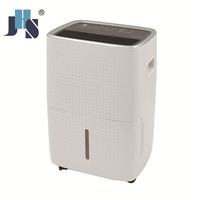
Dehumidifiers
Source high-performance dehumidifiers from vetted suppliers and manufacturers across Asia. Designed for importers, wholesalers, distributors, and brands seeking reliable OEM and private-label production, our network delivers scalable manufacturing for residential, commercial, and industrial moisture-control units.
Sourcing dehumidifiers in volume requires navigating a complex matrix of compressor reliability, evolving refrigerant regulations, and strict capacity standards. Whether you are importing smart residential units, heavy-duty commercial extractors, or whole-house systems, securing a factory capable of consistent quality at scale is critical. The difference between a profitable product line and a recall nightmare usually comes down to component selection and factory-floor assembly controls.
Core Technologies and Specifications
When negotiating with manufacturers, the specifications you lock in dictate both unit cost and market viability. The primary distinction is the extraction method, which defines the internal architecture of the unit.
| Technology | Primary Application | Ideal Operating Temp | Manufacturing Complexity |
|---|---|---|---|
| Compressor (Refrigerant) | Residential & General Commercial | Above 15°C | High (Requires strict refrigerant handling) |
| Desiccant (Silica Rotor) | Industrial & Cold Environments | Under 15°C | Moderate (Requires precise rotor alignment) |
| Thermoelectric (Peltier) | Closets & Small Enclosures | Above 20°C | Low (Solid-state, minimal moving parts) |
For compressor-based units, capacity ratings are the most critical spec. Manufacturers will quote extraction rates in liters or pints per day (L/D or PPD). Ensure you specify the testing standard. A unit rated at 50 pints under older AHAM standards will perform differently under current DOE (Department of Energy) testing conditions, which measure extraction at lower ambient temperatures (65°F instead of 80°F).
Navigating complex testing standards and factory negotiations? We can help you secure the right manufacturing partner.
Talk to our teamManufacturing Quality and Common Failure Points
Dehumidifiers are essentially specialized refrigeration systems. The manufacturing process involves copper tube bending, coil brazing, vacuum pumping, and refrigerant charging. If a factory cuts corners on any of these steps, the defect rate will spike.
Relying on a factory's internal quality checks is risky. Implementing independent Quality Control & Inspection during production is essential to catch systemic issues before the units are sealed in their casings.
Critical Factory-Floor Checkpoints
- Coil Brazing Integrity: Copper joints must be pressure-tested or helium-leak tested to prevent refrigerant loss.
- Compressor Mounting: Improper vibration dampening leads to excessive noise and premature mechanical failure.
- Humidistat Calibration: Sensors must be calibrated accurately to prevent the unit from short-cycling.
- Refrigerant Charge Volume: Overcharging or undercharging by even a few grams drastically reduces efficiency.
- Electrical Safety: Hi-Pot (High Potential) and ground bond testing are mandatory for all units.
Compliance and Regulatory Standards
Air quality appliances face stringent regulatory oversight. In North America, UL or ETL certification is non-negotiable for electrical safety, while Energy Star certification is often required to remain competitive in retail. In Europe, CE marking and RoHS compliance are mandatory.
Furthermore, global regulations are forcing a shift in refrigerants. Older, high-GWP (Global Warming Potential) gases like R410A are being phased out. Modern production lines are shifting to R32 or R290 (Propane). R290 is highly efficient but flammable, meaning the factory must have specialized, explosion-proof charging stations. Verifying a factory's capability to safely handle these newer refrigerants often requires rigorous on-site Factory Audits before you place an order.
Pricing, MOQs, and Production Realities
Cost structures for dehumidifiers are heavily influenced by the compressor brand (e.g., Panasonic, GMCC, Highly), the size of the copper coils, and the smart features integrated into the PCB (like Wi-Fi connectivity).
If you are leveraging OEM/ODM Services to develop a custom housing or unique UI, expect to pay tooling costs upfront, which can range from a few thousand to tens of thousands of dollars depending on the mold complexity. Tooling generally takes 30 to 45 days before trial runs can begin.
Need help managing tooling, MOQs, and production timelines for your next appliance order?
Get a free consultationFrequently Asked Questions
Successfully sourcing dehumidifiers requires balancing component costs with strict quality oversight. By partnering with factories that maintain rigorous testing protocols and modern refrigerant handling capabilities, you can build a reliable, compliant product line that minimizes returns and maximizes margin.
Get Sourcing Help for Dehumidifiers
Tell us your requirements and our experts will connect you with verified manufacturers.