Dehumidifiers
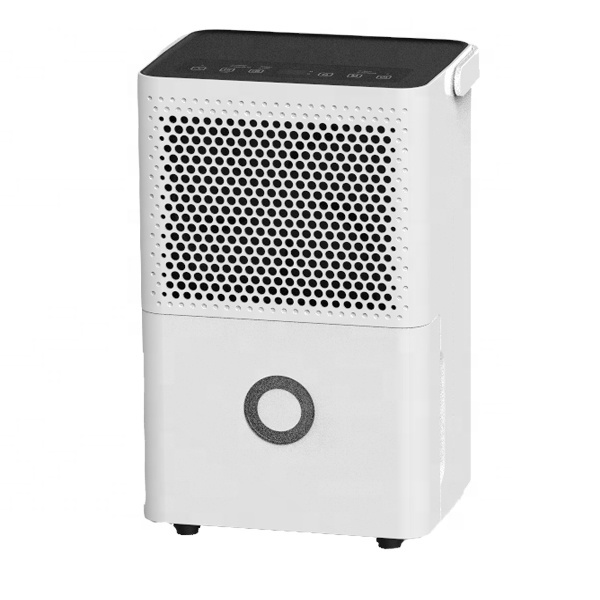
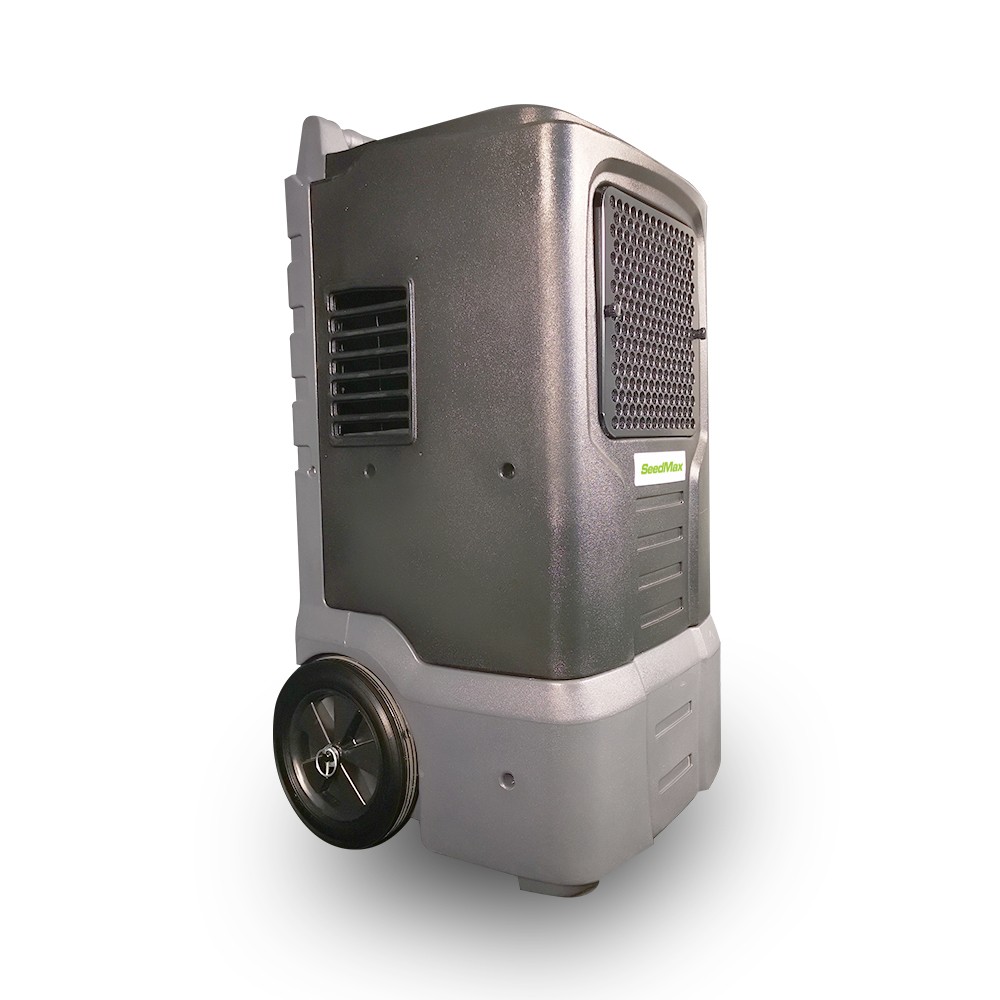
Source high-performance dehumidifiers directly from vetted manufacturers and wholesale suppliers. Designed for importers, distributors, and appliance brands seeking reliable OEM/ODM production, our factory network delivers bulk moisture control solutions built to your exact specifications, energy efficiency requirements, and regional compliance standards.
Sourcing dehumidifiers at scale requires balancing unit cost with long-term reliability. Because these appliances rely on continuous compressor operation and sealed refrigerant systems, component selection and factory-level quality control dictate whether a product succeeds in the market or suffers from high return rates. For volume buyers, navigating the transition to low-GWP refrigerants and ensuring strict adherence to energy efficiency standards are the primary challenges when vetting manufacturing partners.
Core Specifications and Component Selection
The heart of any compressor-based dehumidifier is its refrigeration cycle. When specifying units for private label or wholesale, the bill of materials (BOM) must be scrutinized carefully.
- Compressor Quality: The compressor accounts for the largest portion of the unit's cost and lifespan. Rotary compressors are standard for household units due to their compact size and low vibration. Specifying name-brand compressors (such as GMCC or Rechi) often adds cost but significantly reduces failure rates.
- Coil Construction: Evaporator and condenser coils must utilize hydrophilic aluminum fins and high-quality copper tubing. Inferior copper thickness leads to micro-leaks over time, especially in corrosive environments.
- Extraction Capacity: Typically measured in Pints per Day (PPD) or Liters per Day (L/D). Ensure the factory tests capacity at the specific temperature and humidity standards required by your target market (e.g., AHAM standards of 65 degrees Fahrenheit and 60 percent relative humidity for the US).
Need help verifying factory capabilities and component quality? We audit suppliers to ensure they meet your technical requirements.
Talk to our sourcing teamThe Refrigerant Transition
Global regulations are forcing a rapid shift in acceptable refrigerants. Specifying the wrong gas can render your inventory unsellable in strict regulatory markets.
| Refrigerant | GWP Level | Efficiency | Market Status |
|---|---|---|---|
| R410A | High (2088) | Standard | Phasing out in US/EU |
| R32 | Medium (675) | High | Current mainstream standard |
| R290 (Propane) | Ultra-low (3) | Very High | Emerging eco-standard (charge limits apply) |
Manufacturing Quality Control and Compliance
Dehumidifier production involves complex brazing, vacuuming, and refrigerant charging processes. A factory's ability to maintain tight tolerances during these steps separates reliable suppliers from risky ones. Before committing to a large order, conducting comprehensive Factory Audits is critical to verify their production line testing equipment.
Critical Factory-Level QC Checks
- Helium mass spectrometry leak detection on all brazed copper joints.
- Electrical safety testing (Hipot, ground bond, and leakage current).
- Acoustic chamber testing to verify decibel (dB) ratings match specifications.
- Performance testing in environmental chambers to validate extraction rates.
- Vibration and drop testing for packaging durability.
Implementing robust Quality Control & Inspection protocols before shipment is non-negotiable. Catching a refrigerant leak or a faulty PCB after the container arrives at your warehouse wipes out your profit margins entirely.
Furthermore, household air conditioners and dehumidifiers are heavily regulated. Units destined for North America typically require UL or ETL certification, while European markets demand CE, RoHS, and REACH. Energy Star certification is also a major selling point. Navigating these requirements often requires dedicated Compliance & Testing oversight to ensure certificates are valid and match the exact components used in your production run.
Buying Mechanics: MOQs, Lead Times, and Pricing
Dehumidifier manufacturing is highly standardized, but customizing tooling for unique housing designs or integrating smart IoT capabilities will impact your sourcing timeline. Most factories operate on strict container-volume minimums.
Pricing is highly sensitive to raw material costs (copper, aluminum, plastics) and the specific compressor brand chosen. For brands looking to differentiate without the capital expenditure of new injection molds, utilizing established OEM/ODM Services allows you to select a proven internal chassis and customize the control panel, colorway, and packaging.
Ready to scale your appliance sourcing? Let us handle supplier negotiations, QC, and logistics for your next dehumidifier order.
Get a free consultationFrequently Asked Questions
Successfully sourcing dehumidifiers in bulk means looking past the outer shell and focusing on the integrity of the sealed system. By partnering with factories that invest in automated leak detection and high-quality compressors, you protect your brand's reputation and your bottom line. Merhein helps you manage this complexity, ensuring every unit that leaves the factory meets your exacting standards.
Get Sourcing Help for Dehumidifiers
Tell us your requirements and our experts will connect you with verified manufacturers.