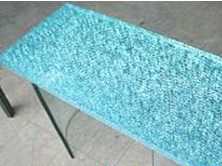
Decorative Glass
Source bulk Decorative Glass directly from vetted manufacturers and suppliers. Designed for importers, wholesalers, distributors, and brands seeking reliable OEM production. Access factory-direct pricing, custom designs, and strict quality control for your architectural and interior glass supply chain.
Sourcing decorative glass in volume requires balancing custom visual finishes—such as acid etching, digital printing, or deep patterning—with strict structural and safety standards. Whether you are procuring glass for interior partitions, architectural facades, or custom furniture, the factory you choose must possess both the specialized finishing equipment and the core tempering capabilities required for compliance.
Specifying Decorative Glass Treatments
The visual and functional requirements of your glass dictate the manufacturing process. Specifying the wrong treatment can lead to delamination, fading, or excessive costs.
| Treatment | Visual Effect | Cost Impact | Primary Use |
|---|---|---|---|
| Acid-Etched (Frosted) | Smooth, translucent, permanent | Low to Medium | Privacy screens, shower doors |
| Ceramic Frit (Silkscreen) | Opaque patterns, solid colors | Medium | Spandrel glass, exterior facades |
| Digital Ceramic Printing | High-res, multi-color imagery | High | Feature walls, custom architectural |
| Patterned (Rolled) | Tactile 3D texture | Low | Interior partitions, decorative lighting |
When working with factories on custom patterns, particularly for ceramic frit or digital printing, utilizing experienced OEM/ODM Services ensures your CAD files and color codes (usually RAL or Pantone) translate accurately onto the glass surface before the tempering process bakes them in permanently.
Critical Quality Control Checkpoints
Decorative glass is highly susceptible to aesthetic defects during processing and structural failures if tempering is poorly managed. A robust Quality Control & Inspection protocol must address both the finish and the underlying float glass quality.
Key Inspection Points for Decorative Glass
- Roller Wave Distortion: Must be kept under 0.15mm to avoid optical distortion, especially critical in large architectural panels.
- Edge Work Quality: Flat polished or seamed edges must be free of micro-chips to prevent spontaneous breakage during or after tempering.
- Coating/Etching Consistency: Check for uneven acid etching (cloudiness) or pinholes in ceramic frit applications.
- Interleaving: Ensure paper or anti-mold powder is applied between all panes to prevent moisture staining and glass-to-glass scratching during transit.
Spontaneous Breakage Risk
Nickel sulfide (NiS) inclusions in float glass can cause spontaneous breakage in tempered panels. For high-risk applications (like high-rise facades), specify heat-soaked glass to force any defective panels to break in the factory, not on site.
Need reliable inspectors to verify glass quality and tempering standards before your shipment leaves the factory?
Talk to our teamVetting Glass Processors vs. Traders
The Chinese glass manufacturing sector is heavily segmented. Many suppliers are trading companies that buy raw float glass and outsource the cutting, edging, decorating, and tempering to different local workshops. This fragmentation destroys quality consistency.
Serious volume buyers must conduct thorough Factory Audits to verify that a supplier is a true processor. Look for facilities that house their own CNC cutting lines, automated edge-grinding machines, and, most importantly, their own tempering furnaces. Controlling the tempering process in-house is non-negotiable for maintaining strict tolerances and managing production lead times.
Pricing, MOQs, and Lead Times
Glass is dense, heavy, and fragile, which heavily influences how it is priced and shipped. Minimum order quantities are often dictated by the logistics of safe packing rather than the factory's production limits.
Logistics and Packing Realities
Shipping glass requires specialized expertise. Standard pallets are insufficient; glass must be packed in solid plywood crates (often A-frame style) with steel banding. Because of the high risk of transit damage when containers are consolidated with other goods, Less than Container Load (LCL) shipping is highly discouraged for glass. Proper Shipping & Freight management, including rigorous container loading supervision, is essential to ensure the crates are properly choked and braced to prevent tipping during ocean transit.
Struggling with high breakage rates or unreliable lead times? Let us optimize your glass supply chain.
Get a free consultationFrequently Asked Questions
Sourcing decorative glass successfully comes down to controlling the physical processing environment and mastering the logistics of heavy, fragile freight. By partnering with capable, integrated processors and enforcing strict pre-shipment loading protocols, buyers can eliminate the costly delays and breakage rates that plague inexperienced importers.
Get Sourcing Help for Decorative Glass
Tell us your requirements and our experts will connect you with verified manufacturers.