Data Cables
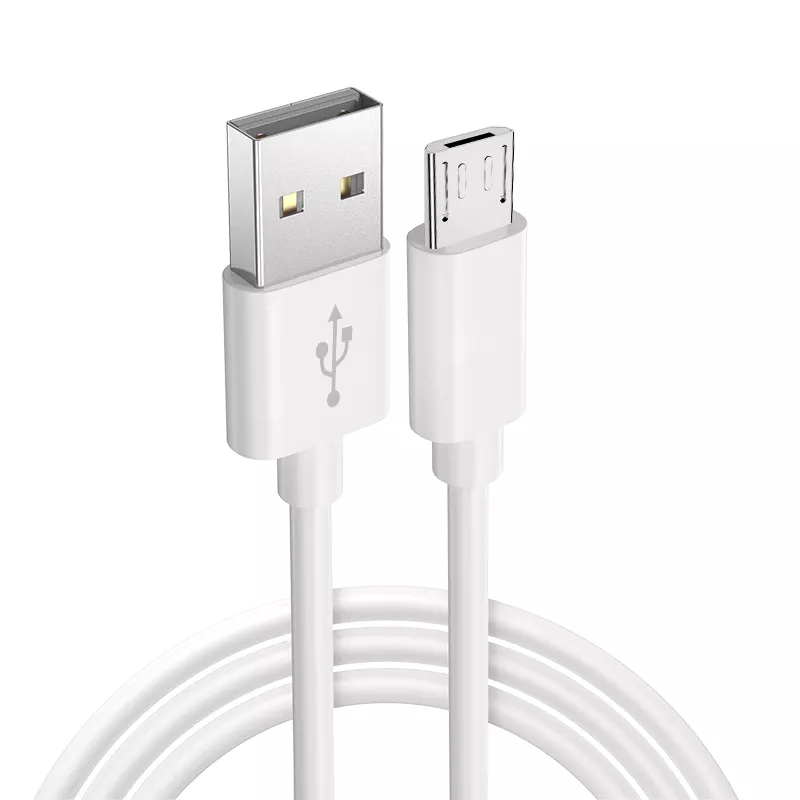
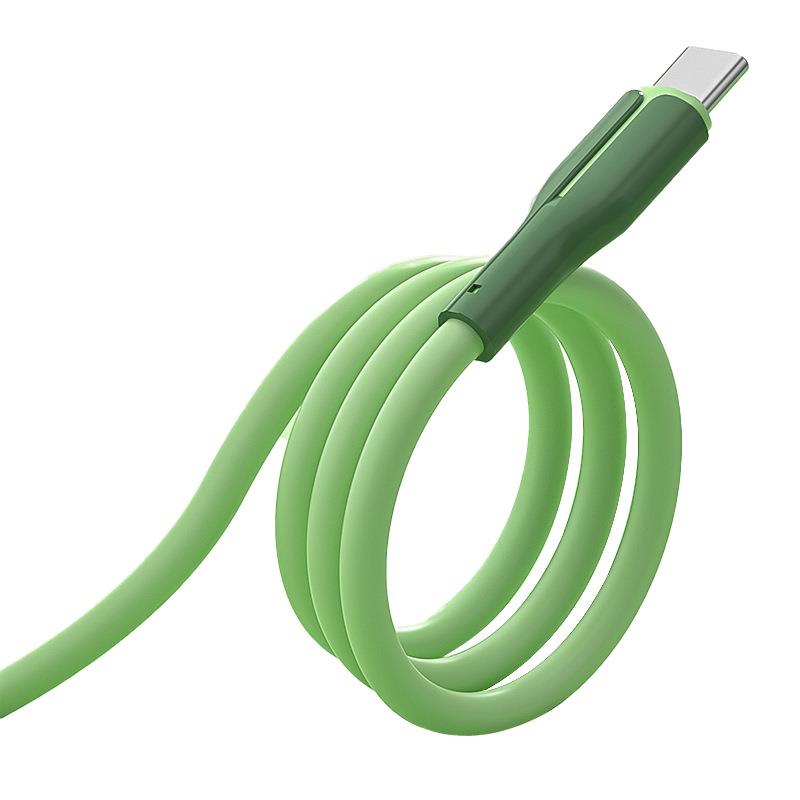
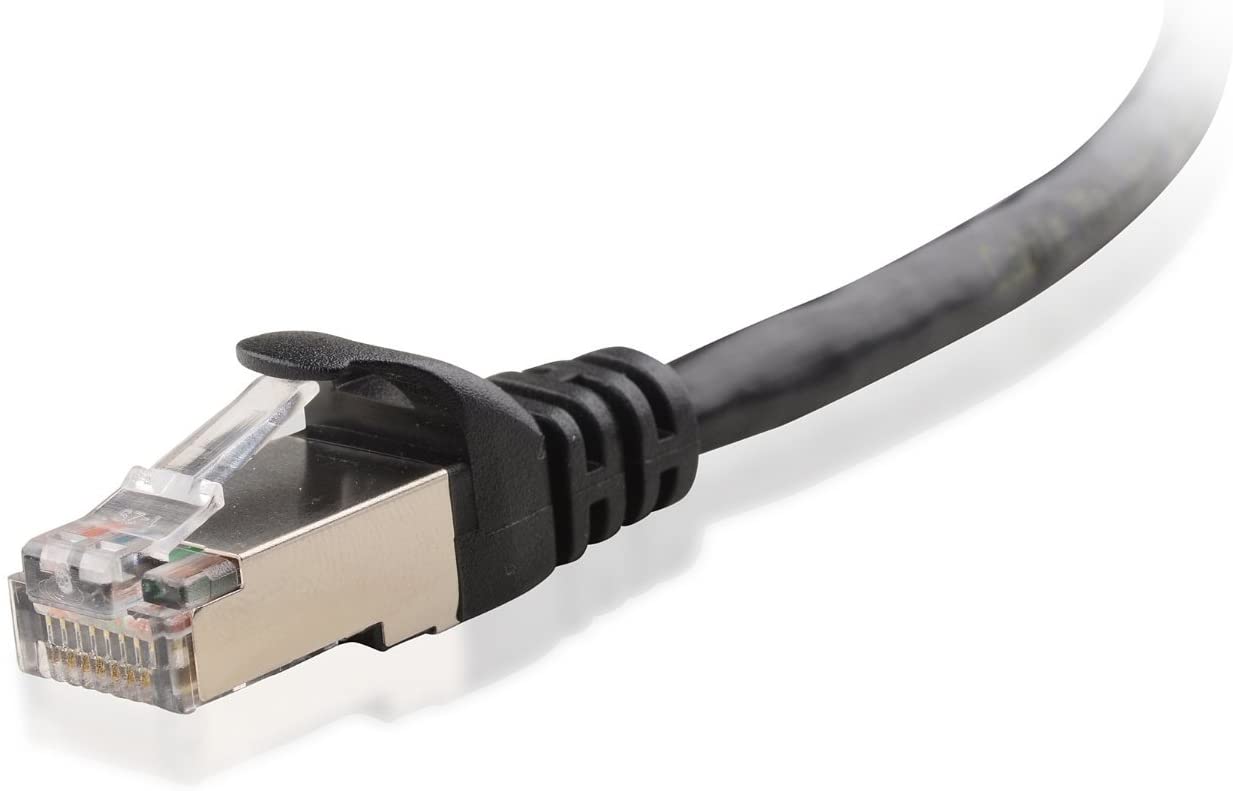
Source premium data cables from vetted manufacturers and suppliers across Asia. Built for importers, electronics wholesalers, and brands requiring reliable OEM and private-label production at scale, our network delivers certified cables engineered for high-speed data transfer, optimal power delivery, and long-term durability.
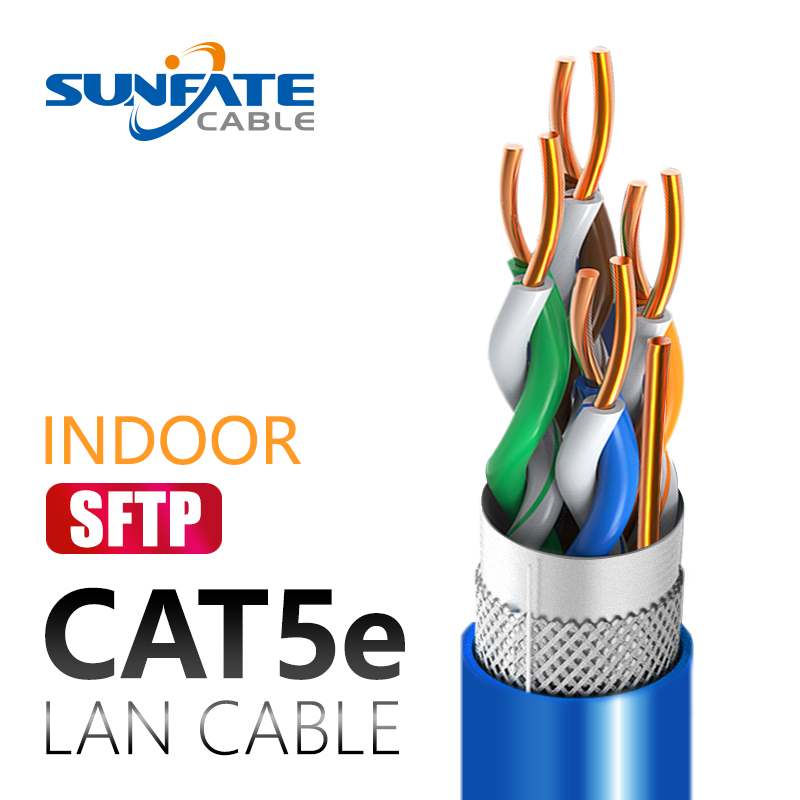
Sourcing data cables in bulk requires navigating a highly fragmented manufacturing landscape where exterior appearances often mask internal shortcuts. A cable that looks premium on a factory shelf might rely on substandard copper cladding, insufficient shielding, or poorly soldered connectors. For volume buyers, the challenge lies in specifying the exact internal architecture and ensuring the manufacturer adheres to those standards across thousands of units.
Critical Specifications for Data Cables
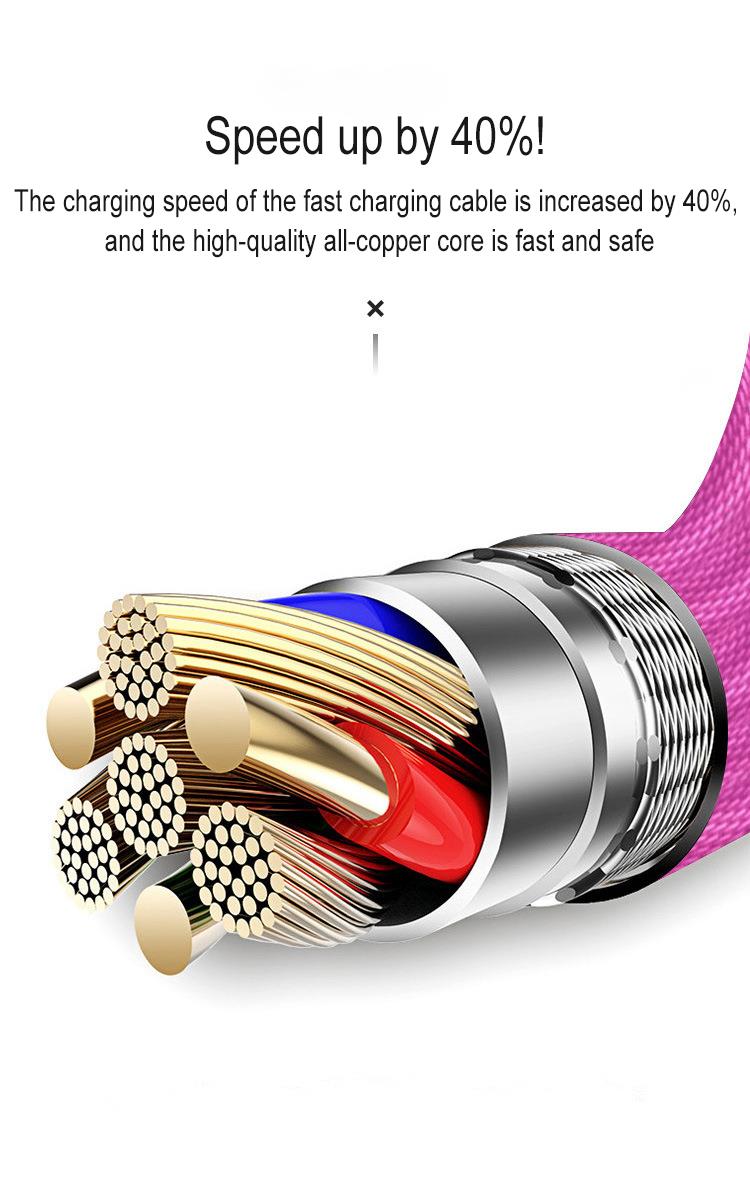
The performance of a data cable—its data transfer rate, charging capacity, and physical durability—is dictated by its internal construction. When engaging with a factory, you must dictate these specifications rather than relying on their default "standard" build.
| Specification | Budget Tier | Premium / OEM Tier |
|---|---|---|
| Conductor Material | Copper-Clad Aluminum (CCA) | 99.9% Pure Oxygen-Free Copper (OFC) |
| Wire Gauge (Power/Data) | 28 AWG / 28 AWG | 22 AWG / 28 AWG or thicker |
| Shielding | None or basic aluminum foil | Foil + Tinned copper braiding |
| Connector Shell | Stamped iron, nickel-plated | Deep-drawn stainless steel, gold-plated pins |
Manufacturing Realities and Quality Control
The production of data cables involves wire extrusion, cutting, stripping, soldering, molding, and testing. The most critical failure points occur during the soldering of the wire to the connector pins and the subsequent overmolding process. Poor temperature control during molding can melt the internal insulation, causing immediate or delayed short circuits.
To mitigate these risks, rigorous Quality Control & Inspection is non-negotiable on the factory floor.
Essential QC Checks for Data Cables
- Electrical testing for continuity, short circuits, and resistance.
- Data transfer speed verification using certified testing jigs.
- Swing test (bending test) to verify strain relief durability (typically 5,000 to 10,000 bends).
- Salt spray testing for connector corrosion resistance.
- Insertion and extraction force testing.
Struggling to verify if a factory's internal specs match their golden samples? Let's discuss your quality requirements.
Talk to our teamCertifications present another major hurdle. If you are importing cables into regulated markets, you need verifiable documentation. Relying on a supplier's word for USB-IF or Apple MFi certification is highly risky; authenticating these claims requires thorough Factory Audits and independent Compliance & Testing to ensure the factory is actually authorized and that your specific product model passes all regulatory requirements.
MOQs, Lead Times, and Pricing Dynamics
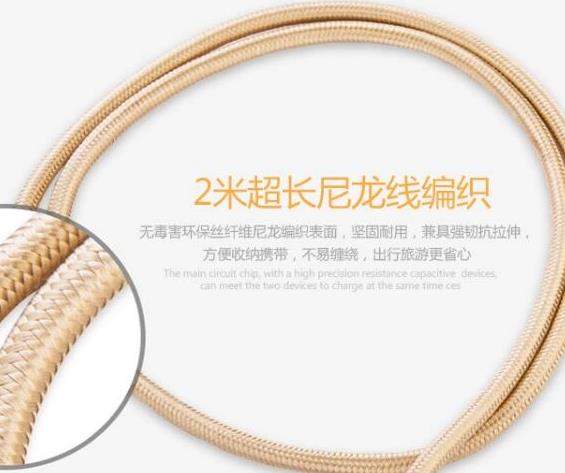
Pricing in the data cable market is highly sensitive to raw material costs, specifically copper and the chosen jacket material (PVC, TPE, or braided nylon). When you request custom tooling for unique connector housings, specific wire gauges, or custom branding through OEM/ODM Services, expect the factory to enforce higher minimums to justify the setup and material sourcing.
Need to lock in reliable pricing and production schedules? We can help stabilize your supply chain.
Get a free consultationFrequently Asked Questions
Managing Your Cable Supply Chain
Procuring data cables at scale demands strict attention to internal materials, precise manufacturing tolerances, and verifiable certifications. By defining your specifications clearly down to the wire gauge and enforcing them through rigorous, independent inspection, you can build a reliable product line that performs consistently in the hands of the end user.
Get Sourcing Help for Data Cables
Tell us your requirements and our experts will connect you with verified manufacturers.