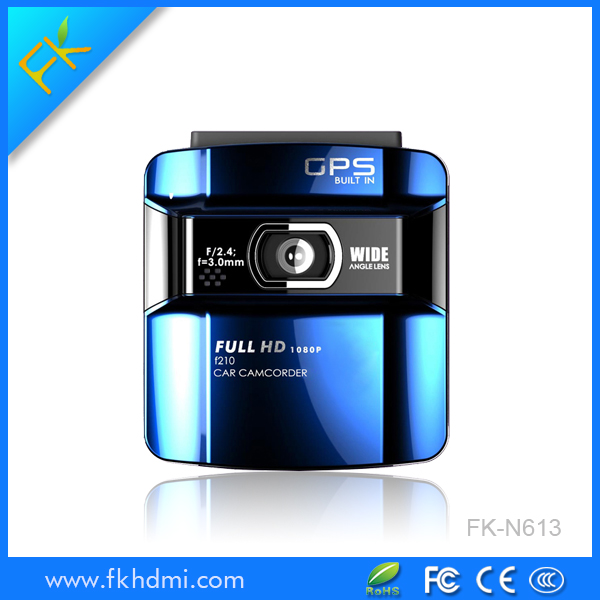
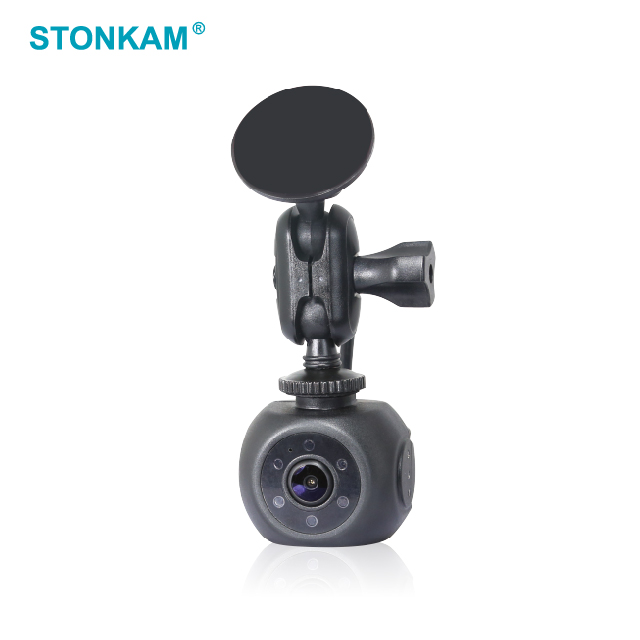
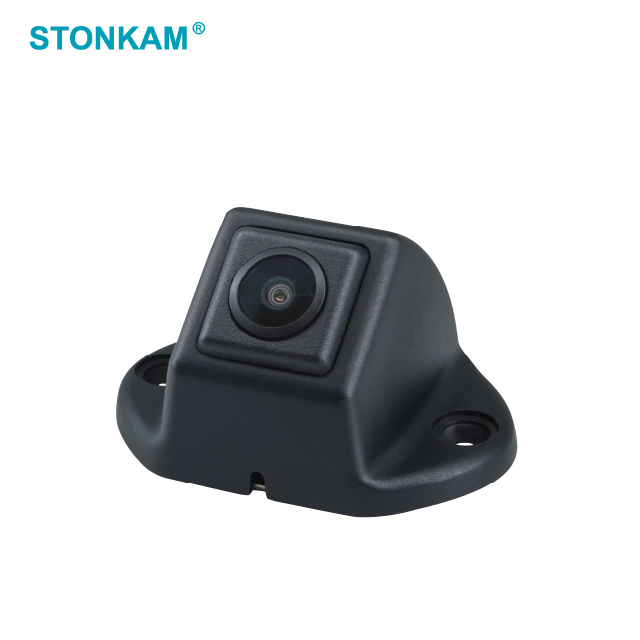
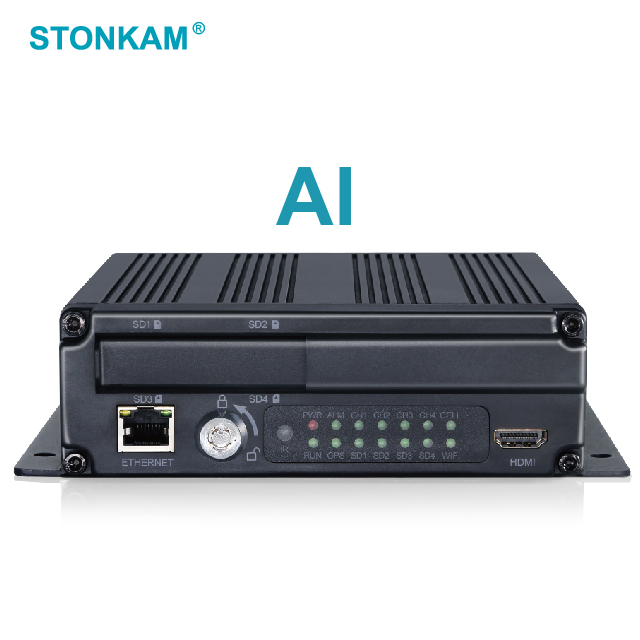
Dash Cameras
Source premium dash cameras directly from vetted manufacturers and suppliers in China and Asia. Designed for importers, distributors, and brands seeking reliable bulk purchasing or custom OEM/ODM production. Secure competitive wholesale pricing and rigorous quality control for your vehicle electronics supply chain.
Sourcing dash cameras in commercial volumes requires navigating a fragmented manufacturing base where identical external housings often mask wildly inconsistent internal components. For wholesale buyers, distributors, and brands, the challenge is not just finding a supplier, but ensuring the factory's System on Chip (SoC), image sensor, and thermal management integration can survive the extreme environments of a vehicle dashboard.
Component Architecture & Specifications
To achieve reliable video capture and minimize return rates, you must specify the exact hardware stack. Generic "1080p" or "4K" claims mean nothing without knowing the underlying silicon.
- Image Sensors: Sony STARVIS (IMX series) remains the gold standard for low-light (night vision) performance and dynamic range. Omnivision and GalaxyCore are common in mid-tier and budget assemblies.
- SoC (System on Chip): The processor dictates video bitrate, thermal load, and feature support (like ADAS, WiFi, or cloud connectivity). Novatek and SigmaStar dominate the mid-to-high tiers, while Ambarella is heavily utilized in premium segments.
- Lens Assemblies: Always specify multi-layer glass lenses (e.g., 6G or 7G) over plastic. Plastic lenses warp and degrade rapidly under UV exposure and extreme cabin heat, resulting in permanently blurred footage.
| Power Source | Thermal Tolerance | Lifespan | Best Application |
|---|---|---|---|
| Supercapacitor | Excellent (up to 70C/158F) | 5 to 10 years | High-end & commercial fleets |
| Lithium-Ion Battery | Poor (swells over 50C/122F) | 1 to 3 years | Budget retail markets |
Need help defining specifications for a custom dash camera line? Our engineers can help you match the right SoC, sensor, and thermal design to your target wholesale price point.
Talk to our teamManufacturing Quality Control Vulnerabilities
Dash cameras are subjected to constant vibration and extreme temperature swings. Assembly standards separate reliable OEM partners from high-defect assemblers. Before committing to a manufacturer, thorough factory audits are necessary to verify their SMT (Surface Mount Technology) capabilities and clean-room environments for lens assembly.
Dust on the sensor during assembly is a common defect that ruins the final product.
Critical QC Checks for Dash Cameras
- High-Temperature Aging Test: Minimum 48 hours at 70 Celsius to check for thermal shutdown and component failure.
- Vibration Testing: Simulating prolonged road vibration to ensure internal ribbon cables and solder joints hold.
- Lens Defocus Testing: Verifying that heat expansion does not shift the focal plane of the lens assembly.
- Firmware Stability: Continuous loop-recording tests to ensure no dropped frames or corrupted video files.
Catching these issues requires rigorous quality control and inspection before the goods are containerized. It is far cheaper to catch a thermal flaw on the assembly line than to process returns from your retail partners.
Pricing, MOQs, and Lead Times
Pricing is highly elastic based on real versus interpolated resolution, the number of channels (front, rear, cabin), and connectivity features (GPS logging, 5GHz WiFi, 4G LTE).
Beware Interpolated Resolutions
Many budget suppliers quote "4K" pricing but use a 1080p sensor and upscale the footage via the SoC. Always specify "Native 4K" in your purchase orders and verify the exact image sensor model number.
Struggling to negotiate MOQs or verify factory pricing? Let our on-the-ground sourcing experts manage the commercial negotiations and supplier vetting for you.
Get a free consultationCompliance & Certifications
Importing auto electronics requires strict adherence to regional standards. Ensure your supplier can provide authentic test reports, or utilize third-party compliance and testing services to verify the documents.
- North America: FCC Part 15B is mandatory to ensure the device does not emit electromagnetic interference. RoHS is expected by major distributors.
- Europe: CE (EMC directive) and RoHS are required. E-Mark certification may be necessary if the device integrates directly into the vehicle's electrical system (hardwiring) rather than running off a standard 12V socket.
Frequently Asked Questions
Sourcing reliable dash cameras requires looking past the outer casing and strictly dictating the internal bill of materials. By controlling the sensor, SoC, and thermal design, you protect your brand from costly return rates. If you need experienced professionals on the ground to vet suppliers, audit assembly lines, and manage the entire production lifecycle, our team is ready to execute.
Get Sourcing Help for Dash Cameras
Tell us your requirements and our experts will connect you with verified manufacturers.