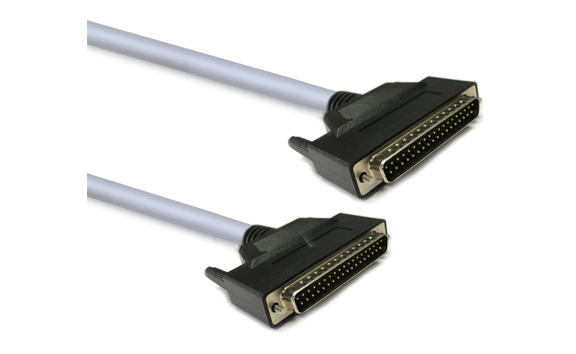
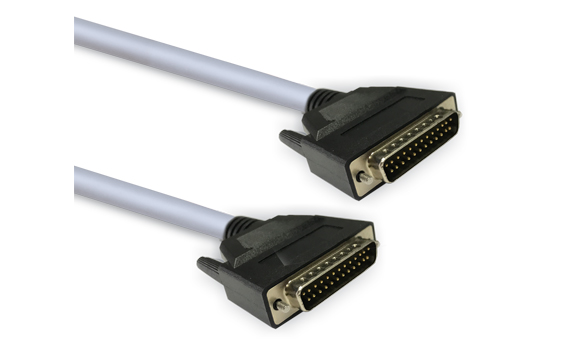
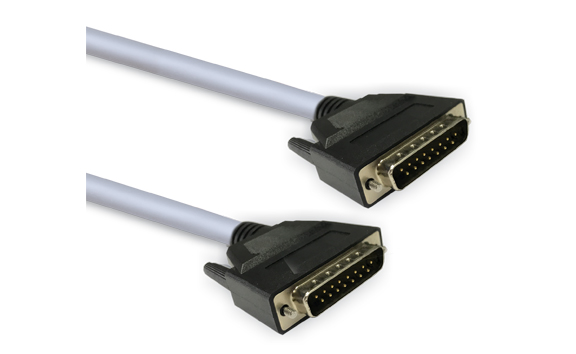
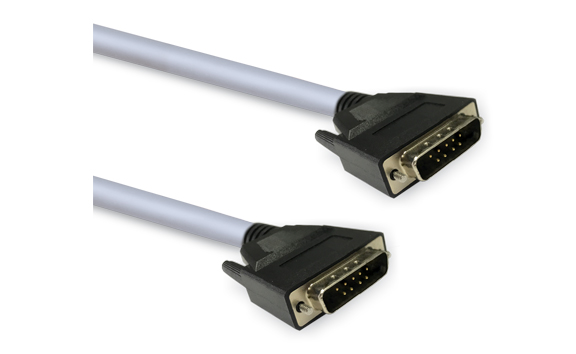
D-Sub Connectors
Source reliable D-Sub Connectors from vetted manufacturers and suppliers in Asia. Designed for electronics importers, component distributors, and OEM brands requiring bulk production. Secure high-quality standard and high-density connectors with verified contact plating, durable shielding, and consistent mating cycles.
While D-subminiature (D-Sub) connectors are a legacy standard, their robust mechanical retention and shielding capabilities keep them indispensable in industrial controls, telecommunications, aerospace, and medical equipment. For volume buyers, the sourcing challenge is rarely finding a supplier—the factories producing these in Shenzhen, Dongguan, and Taiwan are abundant. The real challenge is controlling the hidden material specifications that dictate electrical reliability and mating-cycle longevity, ensuring you do not pay for premium 30μ" gold plating while receiving cheap gold flash.
Specifying D-Sub Connectors for Bulk Production
When negotiating with a factory, generic specifications will result in generic (and often compromised) quality. To ensure consistent performance across production runs, you must dictate exact material and manufacturing parameters.
Contact Manufacturing and Plating
The electrical integrity of a D-Sub connector relies entirely on its contacts. You must specify both the manufacturing method and the plating thickness based on your application's required mating cycles.
| Specification | Stamped & Formed Contacts | Machined Contacts |
|---|---|---|
| Manufacturing Method | Punched from sheet metal and rolled | Turned from solid brass or copper alloy |
| Typical Mating Cycles | 50 to 200 cycles | 500 plus cycles |
| Current Rating | Typically up to 3A | 5A to 7.5A (High Power variants up to 40A) |
| Cost Profile | Highly economical for mass volume | Premium cost for high-reliability applications |
Gold plating thickness is the most common area where suppliers cut corners to improve their margins. Standard commercial connectors often use "gold flash" (under 3μ"), which is sufficient for static connections. For industrial applications subject to vibration or repeated insertion, you must specify 15μ" or 30μ" gold over a nickel underplate.
Need help verifying factory capabilities and securing reliable component suppliers? Merhein can manage the sourcing and vetting process for your electronic components.
Talk to our teamInsulator Materials
The dielectric insulator holds the contacts and must withstand the heat of your assembly process. Standard polybutylene terephthalate (PBT) rated to UL94V-0 is standard for wave soldering and wire termination. However, if your connectors will be subjected to Surface Mount Technology (SMT) reflow ovens, PBT will melt. You must specify Liquid Crystal Polymer (LCP) or high-temperature nylon, which can withstand temperatures exceeding 260°C.
Quality Control on the Factory Floor
Because D-Sub connectors are assembled from multiple stamped, molded, and plated parts, defects can be introduced at several stages. Relying solely on final electrical testing is insufficient; structural flaws must be caught early. Implementing rigorous Quality Control & Inspection protocols is non-negotiable for high-volume orders.
Critical QC Checks for D-Sub Production
- Plating Thickness Verification: X-ray fluorescence (XRF) testing to confirm gold thickness matches the BOM.
- Salt Spray Testing: Ensures the tin or nickel plating on the steel shell resists corrosion (typically 24 to 48 hours minimum).
- Insulator Flash Inspection: Checking for excess plastic (flash) from the injection molding process that could obstruct pin mating.
- Contact Retention Force: Pull-testing pins to ensure they do not dislodge from the insulator during mating.
- Dielectric Withstanding Voltage (DWV): Testing for electrical breakdown between adjacent contacts (typically 1000V AC minimum).
Customization and OEM Requirements
Many industrial applications require modifications to off-the-shelf D-Sub designs. If you are developing proprietary hardware, leveraging OEM/ODM Services allows you to tailor the connector to your exact enclosure and environmental needs.
Common customizations include:
- Mounting Hardware: Pre-installed jack screws (4-40 UNC or M3 threads), board locks, or grounding dimples on the front shell.
- Environmental Sealing: IP67-rated D-Subs utilizing O-rings and epoxy sealing at the rear of the contacts to prevent water and dust ingress.
- Mixed Layouts: Combining standard signal pins with high-current power contacts or coaxial contacts within the same shell (e.g., 3W3, 7W2 configurations).
Pricing, Lead Times, and MOQs
D-Sub connector manufacturing is highly automated, meaning economies of scale heavily influence pricing. However, prices are also subject to fluctuations in global commodity markets, particularly the spot prices of gold and copper.
Before committing to a large production run, it is highly recommended to conduct thorough Factory Audits to ensure the supplier has the actual automated assembly capacity they claim, rather than subcontracting your order to smaller, less controlled workshops.
Ensure your component supply chain is resilient and cost-effective. Contact Merhein to discuss your volume requirements and production timelines.
Get a free consultationBuyer FAQ
Sourcing electronic components at scale requires moving beyond part numbers and understanding the raw materials and manufacturing processes that dictate performance. By tightly specifying contact types, plating thicknesses, and insulator materials—and backing those specs up with rigorous factory-floor quality control—you can secure reliable D-Sub connectors that protect your product's reputation without inflating your bill of materials.
Get Sourcing Help for D-Sub Connectors
Tell us your requirements and our experts will connect you with verified manufacturers.