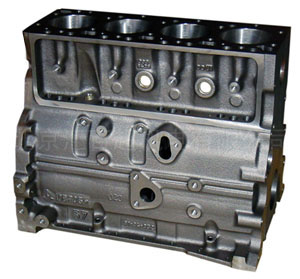
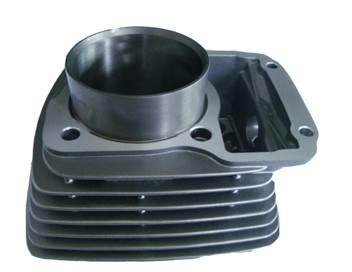
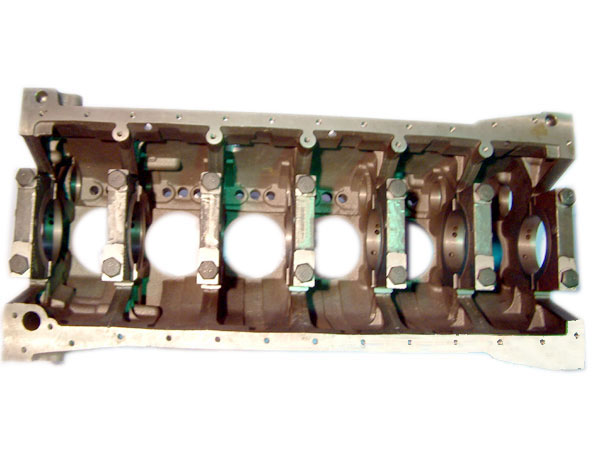
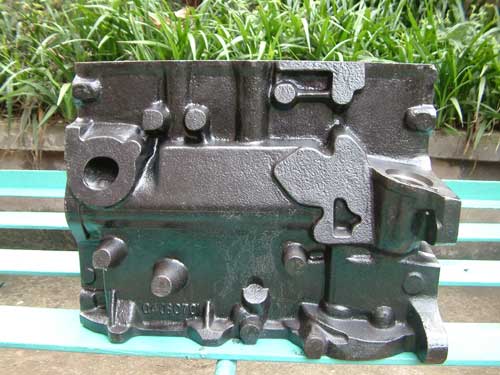
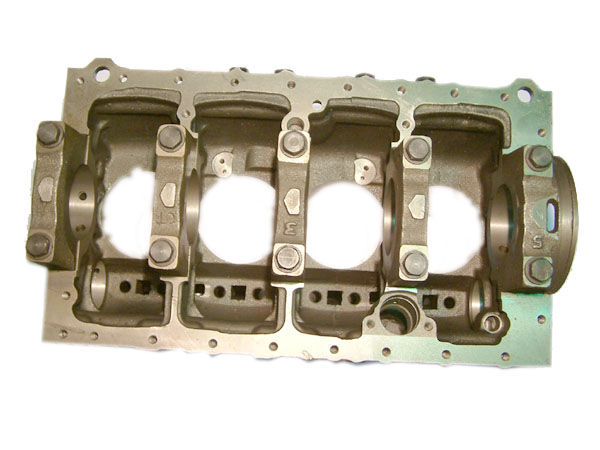
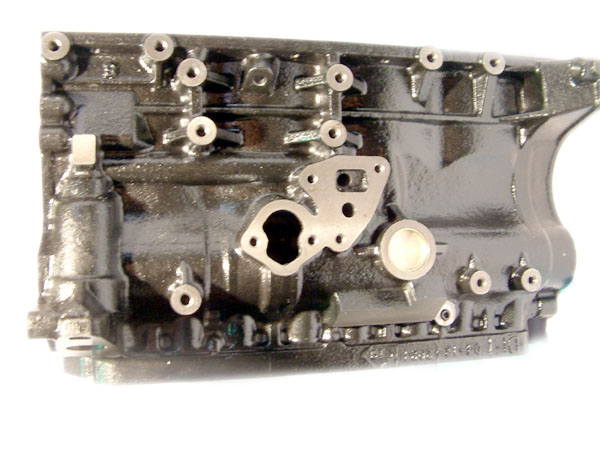
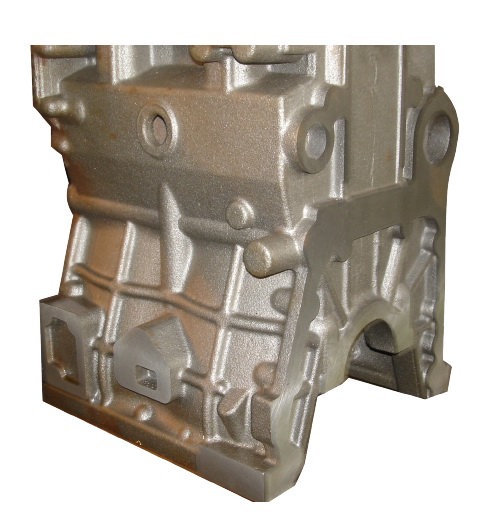
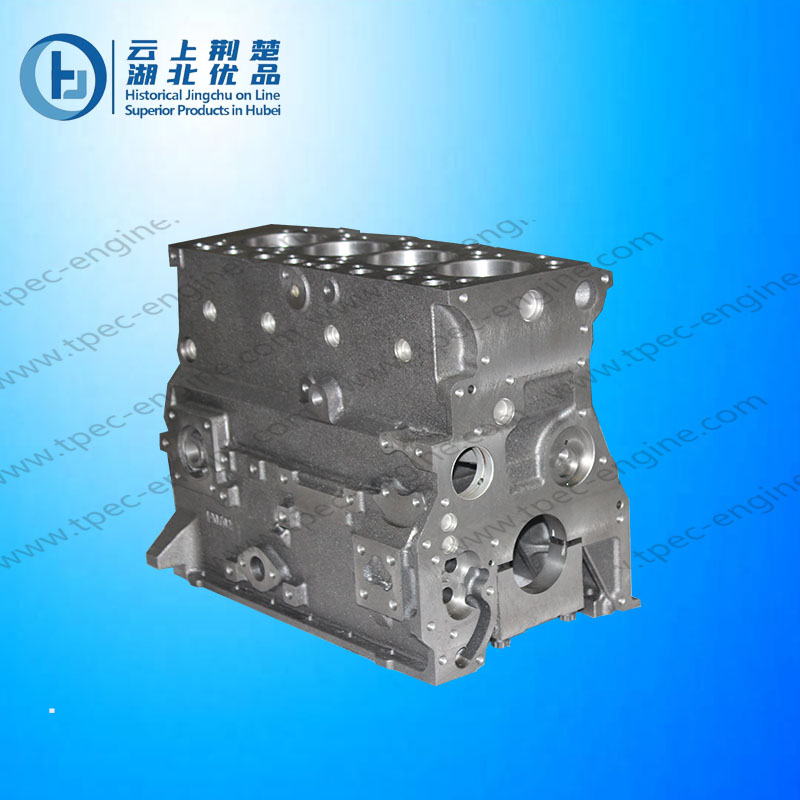
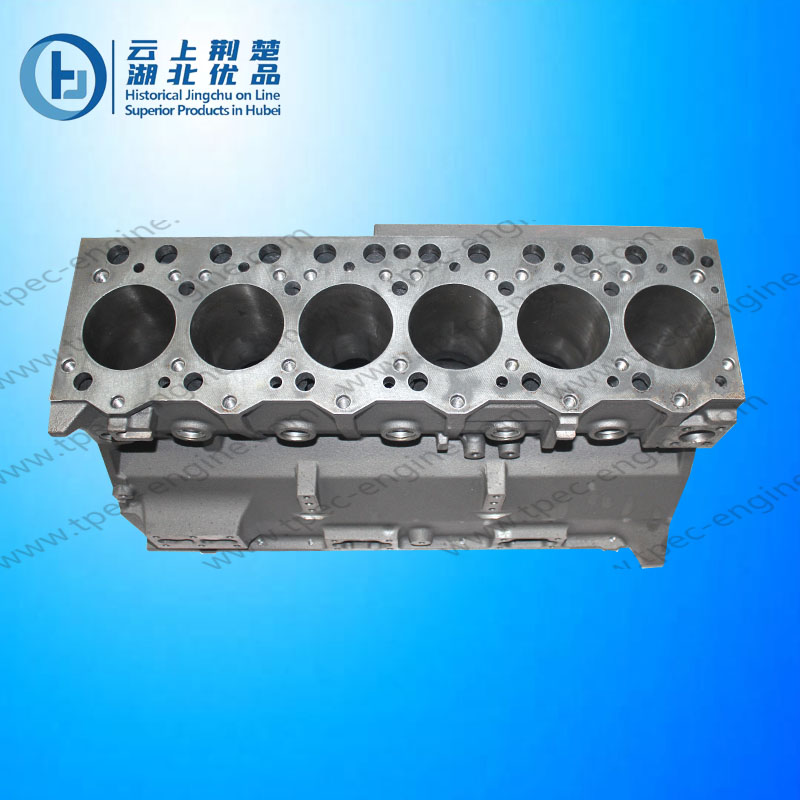
Cylinder Blocks
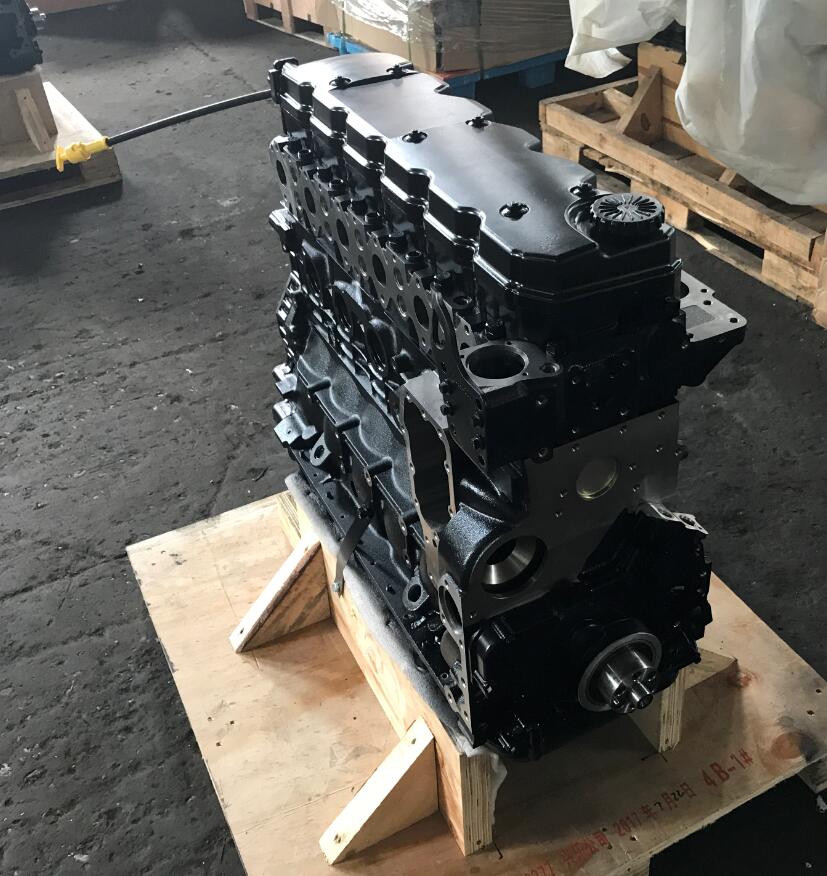
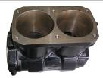
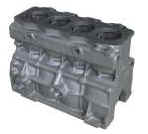
Source premium cylinder blocks from vetted suppliers and manufacturers across Asia. Designed for automotive importers, wholesale distributors, and aftermarket brands looking for reliable OEM or private-label production. Secure competitive bulk pricing on high-precision cast iron and aluminum engine blocks built to exact specifications.
Sourcing cylinder blocks at scale requires navigating complex foundry capabilities, stringent machining tolerances, and significant logistical weight. As the foundational component of the internal combustion engine, a block's structural integrity, thermal properties, and dimensional accuracy dictate the performance and longevity of the entire assembly. For volume buyers and aftermarket brands, selecting a manufacturing partner goes far beyond negotiating unit price—it requires a deep understanding of metallurgy and factory-level quality control.
Defining Cylinder Block Specifications
When commissioning production or buying wholesale, the primary decision revolves around material composition. Each material dictates the casting method, machining requirements, and final application.
| Material Type | Primary Applications | Sourcing Considerations |
|---|---|---|
| Gray Cast Iron (e.g., HT250/HT300) | Commercial engines, heavy-duty trucks, diesel applications | High weight impacts freight costs; excellent vibration damping and wear resistance. |
| Compacted Graphite Iron (CGI) | High-output diesel engines, performance blocks | Higher tensile strength than gray iron; requires specialized, slower CNC machining. |
| Aluminum Alloys (e.g., A356, ADC12) | Modern passenger vehicles, performance aftermarket | Requires inserted iron liners or plasma wire arc spraying; significantly lowers shipping weight. |
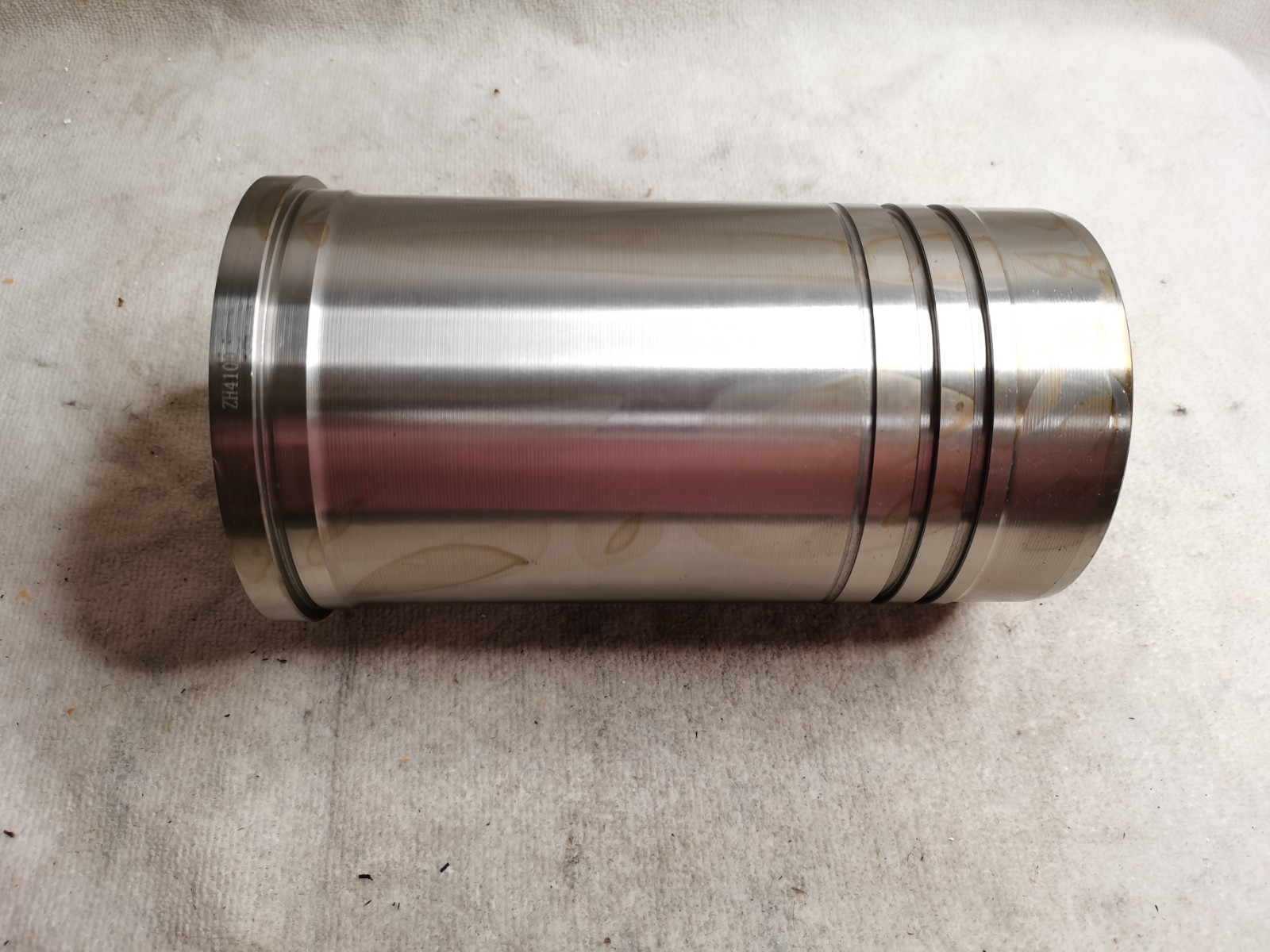
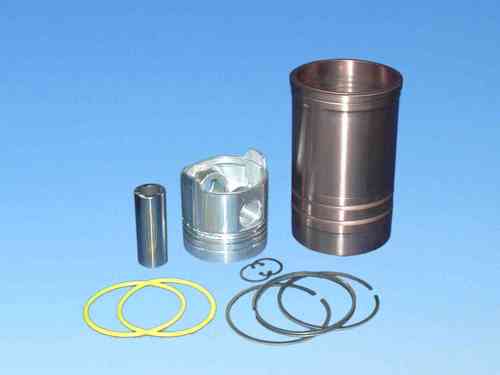
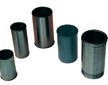
For aluminum blocks, you must clearly specify how the cylinder walls will handle piston ring friction. Most mass-market foundries utilize cast-in iron liners, but high-end OEM suppliers may offer press-fit sleeves or advanced bore coatings.
Navigating foundry capabilities and metallurgical standards is complex. Let our engineers help you vet the right manufacturing partner for your exact specifications.
Talk to our teamManufacturing Processes and Quality Control
Cylinder blocks are typically produced via sand casting (for iron and some aluminum) or high-pressure die casting (for high-volume aluminum). Regardless of the casting method, the raw block must undergo extensive CNC machining to finish the cylinder bores, main bearing journals, and deck surfaces.
The biggest risk when importing engine blocks is internal porosity—microscopic voids in the metal that can cause catastrophic failure under operating pressures. Integrating rigorous Quality Control & Inspection at the factory level is non-negotiable.
Critical Factory-Level Inspections
- X-ray or ultrasonic testing for internal casting porosity and voids
- Water jacket pressure testing to ensure zero coolant leaks under operating pressure
- CMM (Coordinate Measuring Machine) verification of bore roundness, taper, and deck flatness
- Hardness testing (Brinell or Rockwell) of the core material and cylinder walls
- Surface finish (Ra) profiling on the cylinder deck and main bearing saddles
Vetting Foundries and OEM Capabilities
Not every metal casting facility has the capability to produce engine blocks. The sheer size of the molds, the required metallurgical consistency, and the multi-axis CNC machining centers demand specialized infrastructure.
Conducting comprehensive Factory Audits is essential to ensure a supplier actually owns their machining equipment and in-house metallurgical testing labs, rather than outsourcing critical steps. Serious suppliers should hold IATF 16949 certification, the global quality management standard for the automotive industry.
For aftermarket performance brands, leveraging OEM/ODM Services allows for custom block designs. This includes reinforcing internal webbing, altering water jacket flow paths, or upgrading main bearing caps—modifications that require a factory with a strong internal engineering and tooling team.
MOQs, Tooling Costs, and Lead Times
Cylinder blocks are capital-intensive products. If you are developing a custom block or sourcing a rare aftermarket application, tooling for sand casting patterns or die-casting molds will be your primary upfront cost.
Because of the extreme weight of cast iron blocks (and even bulk aluminum blocks), optimizing your Shipping & Freight strategy is critical. Poor container consolidation or inefficient routing can quickly erase the cost benefits of overseas sourcing.
Need to optimize your landed costs? We manage the entire process from foundry negotiation to consolidated international freight.
Get a free consultationFrequently Asked Questions
Successfully sourcing cylinder blocks requires balancing metallurgical integrity with precision machining and intelligent logistics. By thoroughly vetting foundries and controlling the quality at every step of production, importers can secure reliable engine components while maintaining highly competitive landed costs.
Get Sourcing Help for Cylinder Blocks
Tell us your requirements and our experts will connect you with verified manufacturers.