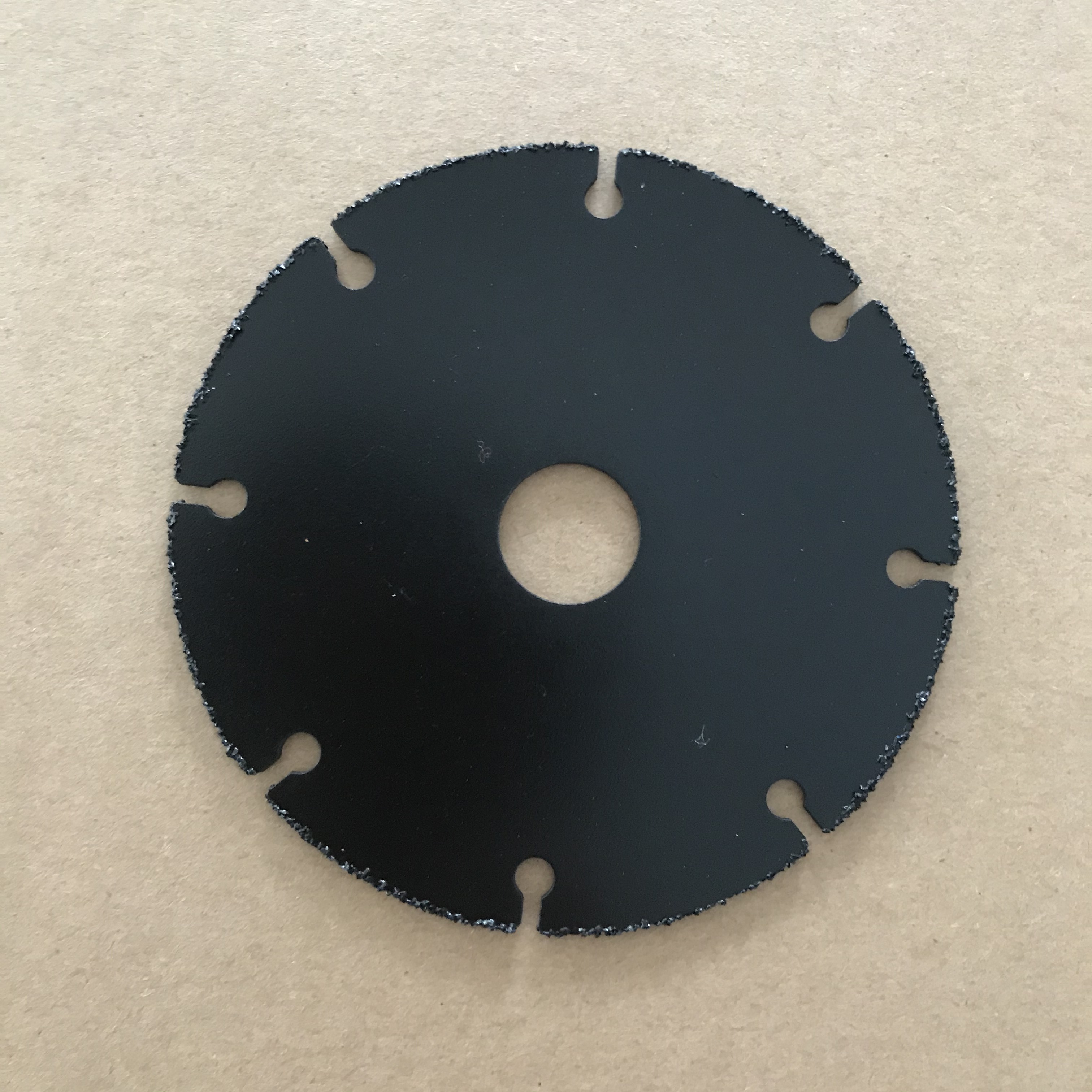
Cutting Tools
Source industrial-grade Cutting Tools directly from vetted manufacturers and suppliers in Asia. Built for importers, industrial distributors, and brands requiring OEM or private-label production, our network delivers precision-engineered tooling in bulk with competitive pricing, consistent metallurgy, and rigorous quality assurance.
Sourcing cutting tools at volume requires a strict balance between metallurgical integrity and unit economics. Whether you are importing standard high-speed steel (HSS) drill bits for hardware distribution or commissioning custom solid carbide end mills for aerospace manufacturing, the difference between a high-performance tool and premature failure lies entirely in raw material consistency, heat treatment, and precision grinding.
When buying in bulk, relying solely on a supplier's spec sheet is risky. Securing reliable production means understanding the manufacturing variables that dictate tool life and machining accuracy.
Core Specifications: Metallurgy and Coatings
The foundation of any cutting tool is its substrate. Chinese manufacturers offer a wide spectrum of raw material grades, and specifying the exact composition is critical to prevent grade substitution.
For carbide tools, the grain size (ranging from sub-micron to ultra-fine) and the cobalt binder percentage directly dictate the tool's hardness and transverse rupture strength (TRS). For HSS, the percentage of cobalt (e.g., M35 with 5 percent cobalt vs. M42 with 8 percent) determines red hardness—the ability to maintain a sharp edge at elevated temperatures.
| Substrate Material | Typical Application | Wear Resistance | Cost Profile |
|---|---|---|---|
| Standard HSS (M2) | General purpose drilling/milling | Moderate | Economical |
| HSS-Cobalt (M35/M42) | Stainless steel, high-heat cutting | High | Mid-Range |
| Solid Carbide (Micrograin) | High-speed CNC, abrasive materials | Exceptional | Premium |
Coatings applied via Physical Vapor Deposition (PVD) or Chemical Vapor Deposition (CVD) further enhance tool life. Titanium Nitride (TiN) offers basic lubricity, while Titanium Aluminum Nitride (TiAlN) and Aluminum Titanium Nitride (AlTiN) provide superior oxidation resistance for high-temperature, dry machining. Ensure your supplier specifies the exact coating thickness and the specific PVD equipment used, as uneven coatings lead to unpredictable tool wear.
Need help verifying a factory's metallurgical standards and coating capabilities before placing a bulk order?
Talk to our teamManufacturing Tolerances and Quality Control
High-quality cutting tools require state-of-the-art CNC grinding machines (such as ANCA, Walter, or Rollomatic). Factories using older or poorly calibrated manual grinders cannot maintain the tight runout tolerances required for industrial CNC applications.
The Heat Treatment Risk
Inconsistent heat treatment is the most common cause of catastrophic tool failure. If a factory outsources its heat treatment to a third-party facility without strict oversight, batch-to-batch hardness variations are inevitable.
To ensure consistent performance, you must implement rigorous Quality Control & Inspection protocols.
Critical Quality Checks for Cutting Tools
- Optical measurement of geometry (flute angle, relief angle, core diameter)
- Runout testing on the shank and cutting edge (typically under 0.005mm for high-end tools)
- Hardness testing (HRC) to verify proper heat treatment
- Coating adhesion testing and thickness verification via XRF
- Dynamic balancing for high-RPM tooling
Confirming a factory's equipment and in-house testing capabilities is best handled through comprehensive Factory Audits. This ensures the supplier actually owns the necessary multi-axis CNC grinders and optical inspection equipment, rather than acting as a trading company outsourcing to lower-tier workshops.
Pricing, MOQs, and Lead Times
Tooling costs are highly sensitive to global commodity prices, specifically tungsten and cobalt indices. When raw material prices spike, expect carbide tool pricing to adjust accordingly.
If you are leveraging OEM/ODM Services to create custom profiles or private-label existing designs, MOQs will depend heavily on whether the factory needs to source custom carbide blanks or if they can grind from standard stock.
Private labeling (laser etching your brand and part numbers onto the shank) usually adds minimal cost but may slightly increase the MOQ. Custom packaging, such as branded plastic tubes or multi-piece index sets, will require coordination with packaging sub-suppliers and can extend initial lead times by 10 to 15 days.
Ready to negotiate bulk pricing and secure reliable production for your cutting tool brand?
Get a free consultationFrequently Asked Questions
Sourcing cutting tools successfully means looking past the lowest unit price and focusing on total cost of ownership. A cheap end mill that breaks mid-cycle costs far more in downtime and scrapped parts than the premium paid for a precisely ground, properly coated tool. By partnering with vetted manufacturers who maintain strict control over their grinding and heat-treatment processes, you secure a reliable supply chain that industrial end-users can trust.
Get Sourcing Help for Cutting Tools
Tell us your requirements and our experts will connect you with verified manufacturers.