Cut-Resistant Gloves
Source premium Cut-Resistant Gloves from vetted manufacturers and suppliers across Asia. Designed for importers, industrial distributors, and safety brands requiring bulk purchasing or OEM/ODM production, our network delivers certified hand protection engineered for demanding environments and strict compliance standards.
Sourcing industrial-grade cut-resistant gloves requires balancing dexterity, grip, and certified protection. For bulk buyers, the primary challenge lies in verifying that a manufacturer’s yarn blends and dipping processes consistently meet strict regional safety standards—like ANSI/ISEA 105 or EN 388—without compromising on unit economics or wearer comfort.
Core Specifications: Yarn Blends and Gauges
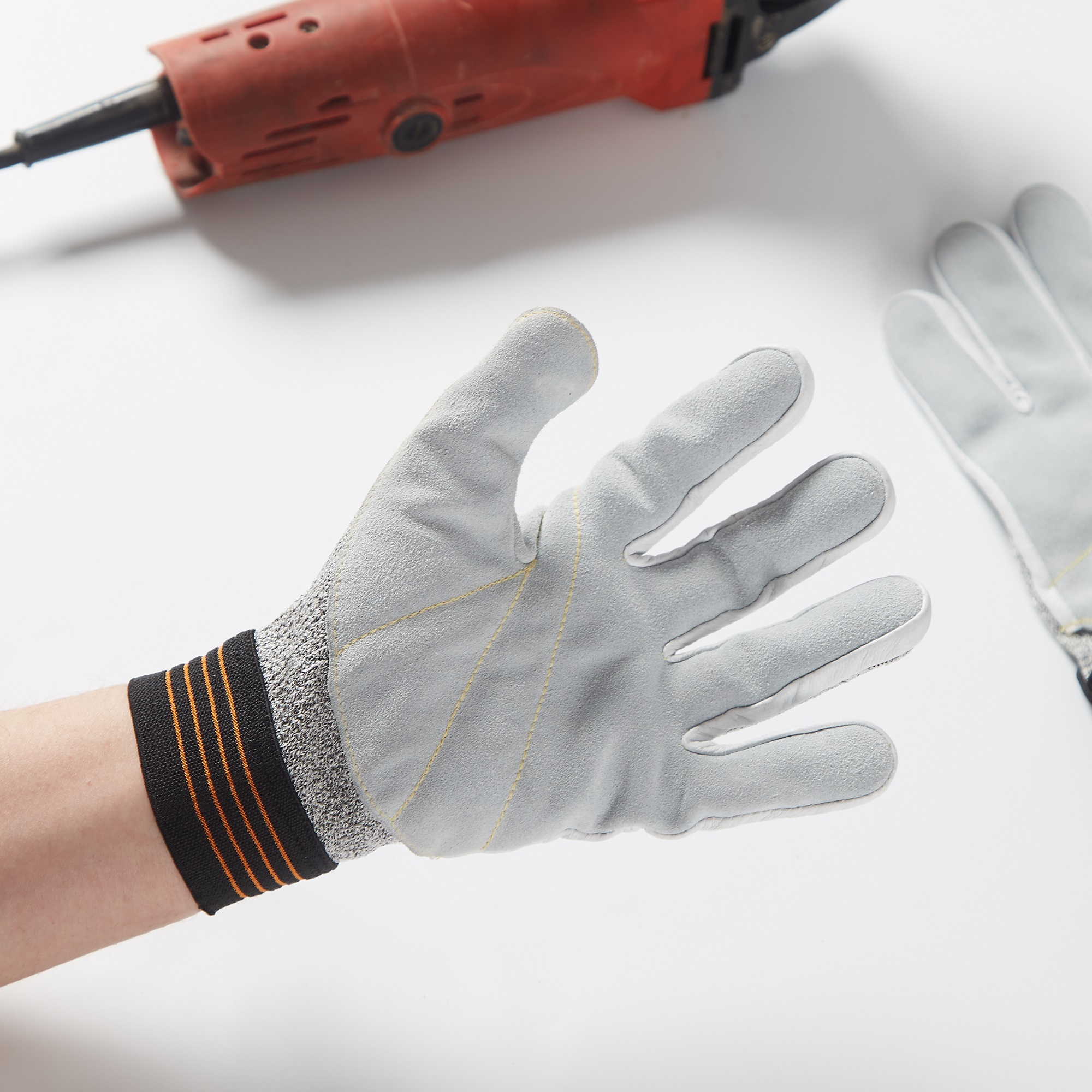
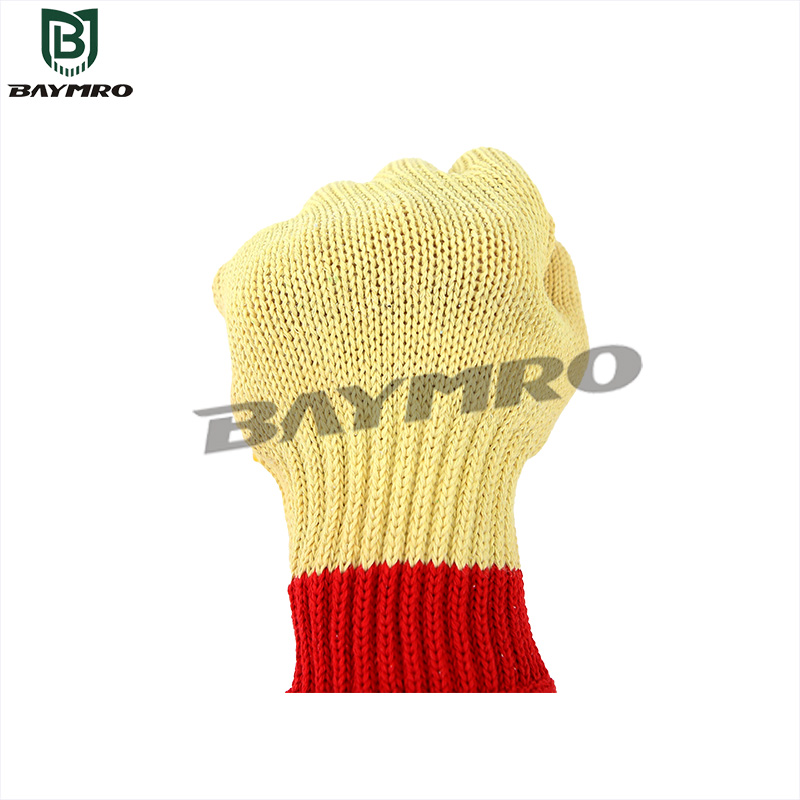
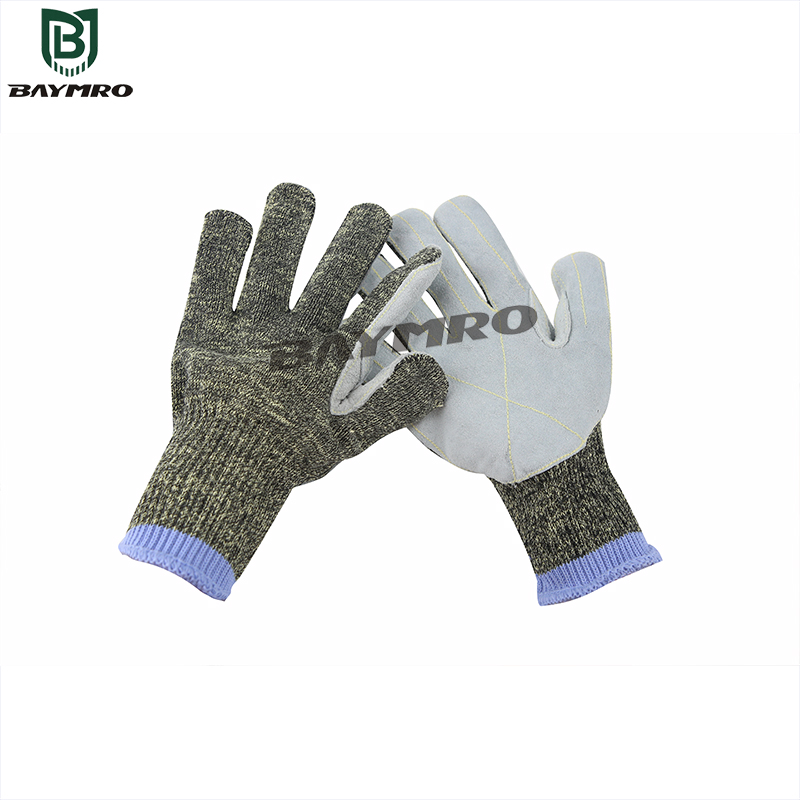
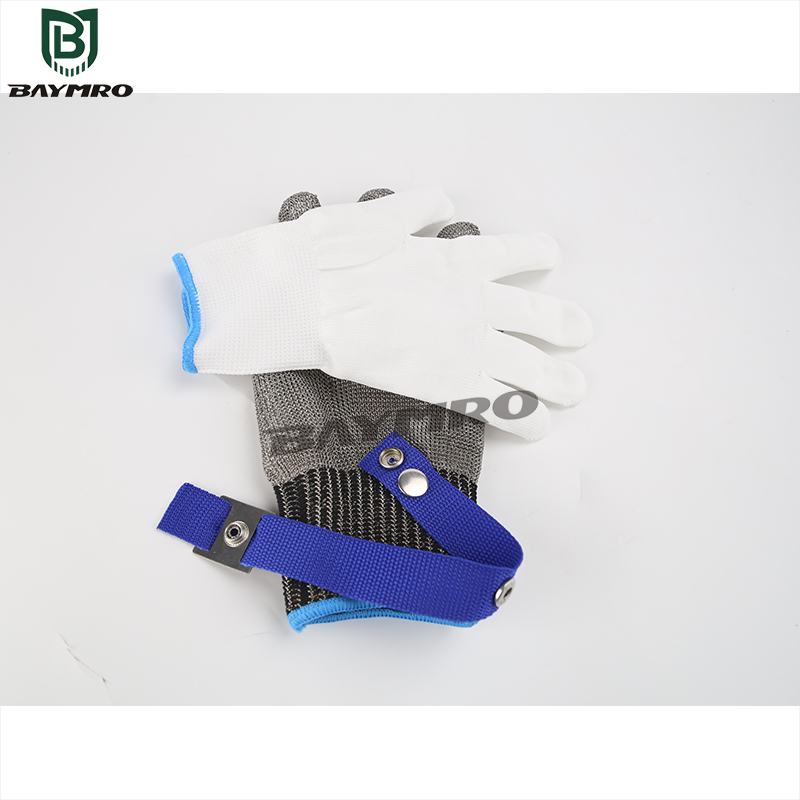
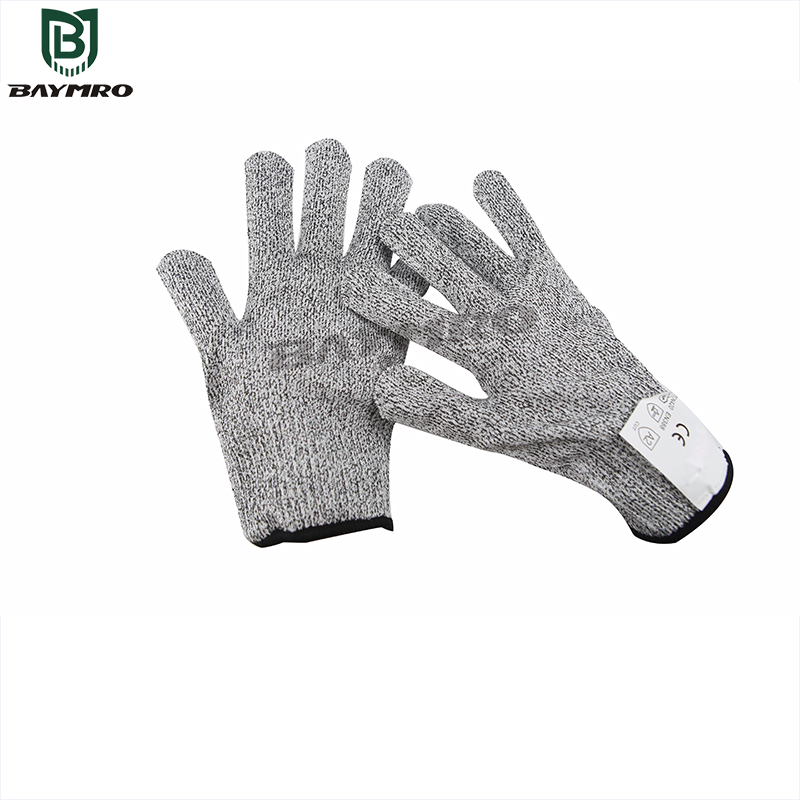
The foundation of any cut-resistant glove is its knitted liner. Factories achieve varying levels of cut resistance by blending High-Performance Polyethylene (HPPE), fiberglass, steel core wire, or aramid fibers (like Kevlar).
The machine gauge (the number of stitches per inch) dictates the glove's thickness and dexterity.
- 10-Gauge & 13-Gauge: The industry standard for medium to heavy-duty protection. Allows for thicker yarn blends (incorporating more steel or fiberglass) to achieve high cut levels.
- 15-Gauge & 18-Gauge: Highly sought after for precision work requiring maximum tactile sensitivity. Achieving ANSI A4 or higher on an 18-gauge platform requires premium, ultra-fine engineered yarns, which significantly impacts the raw material cost.
Polymer Coatings and Dipping Processes
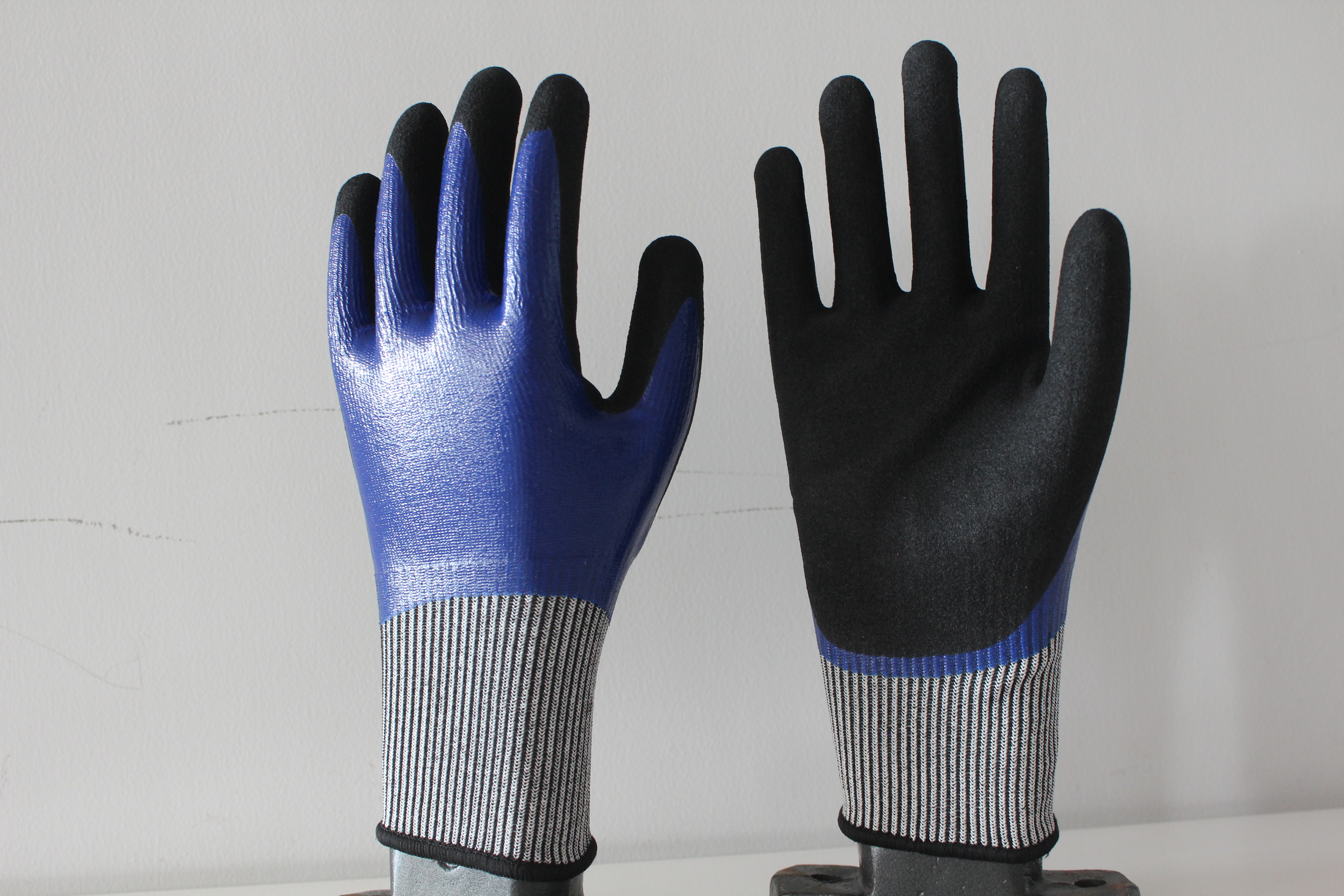
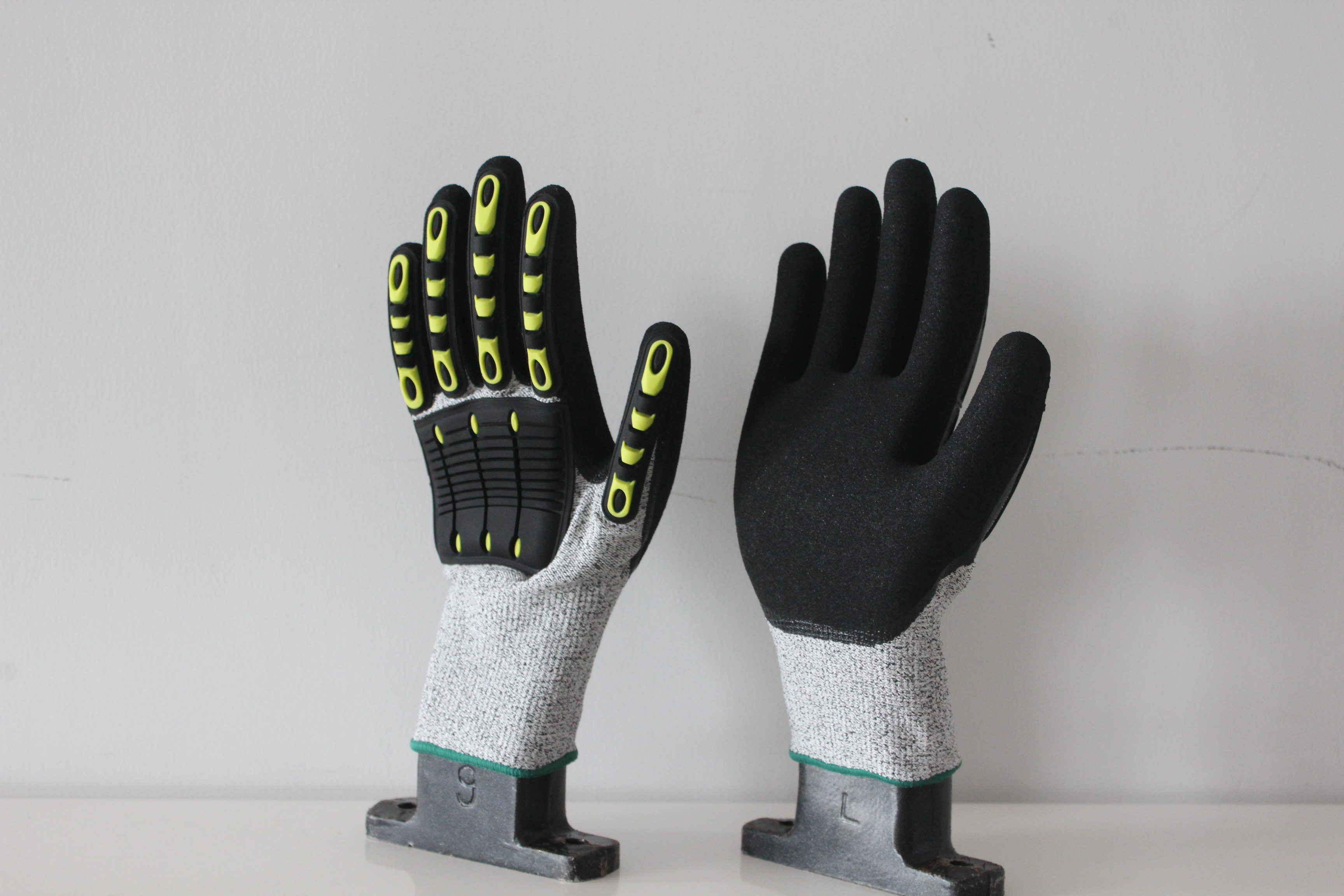
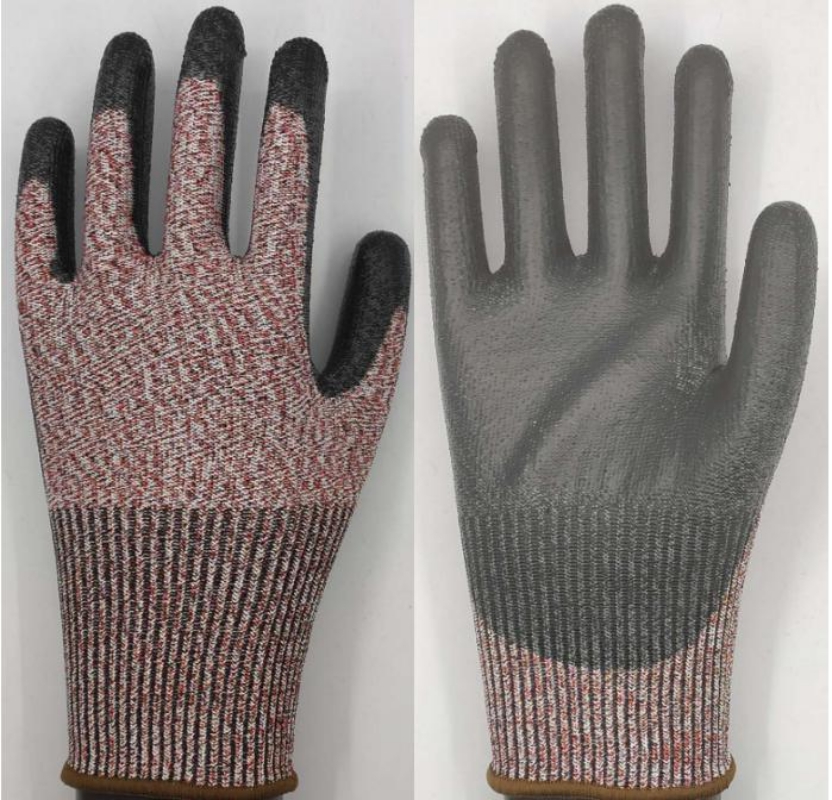
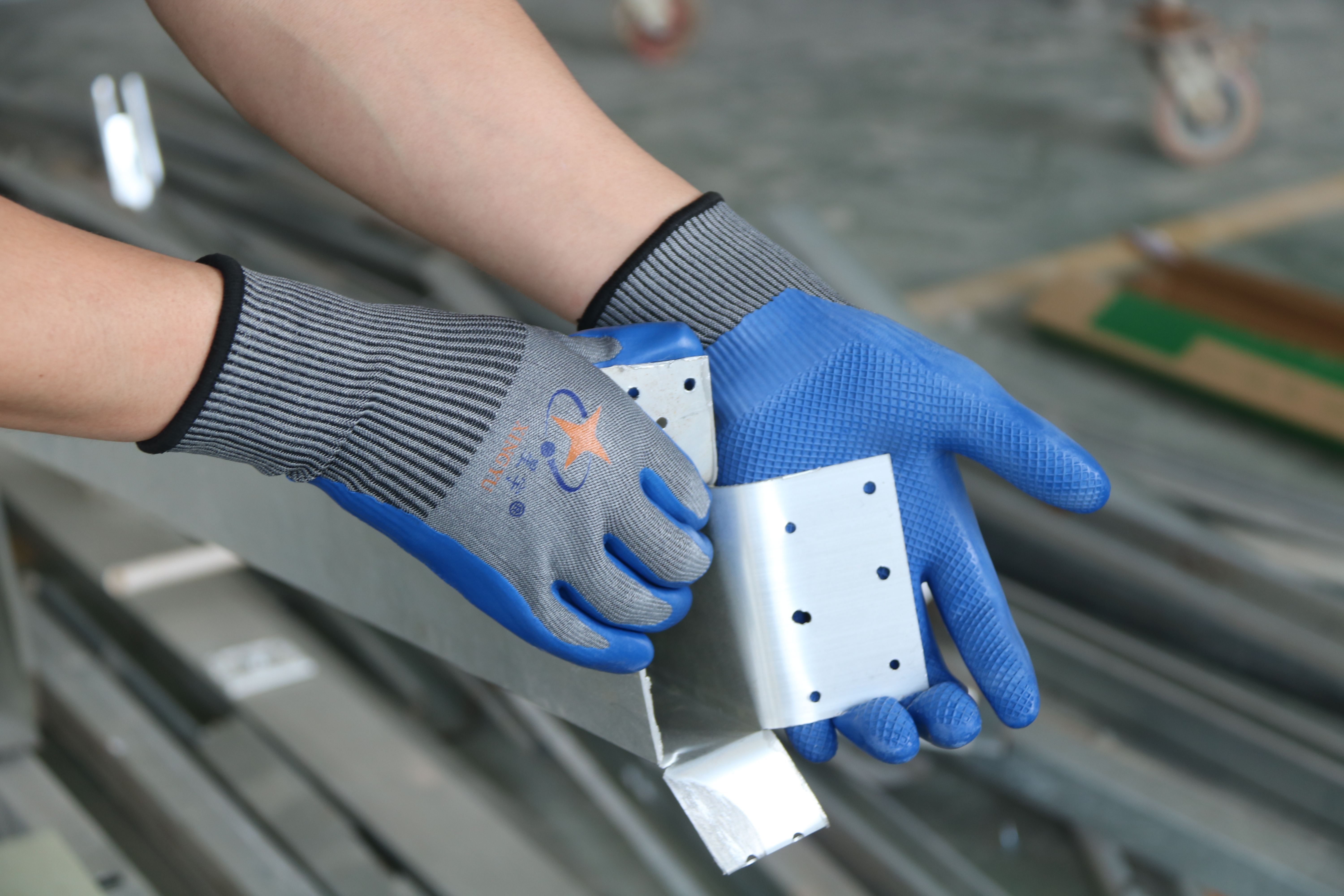
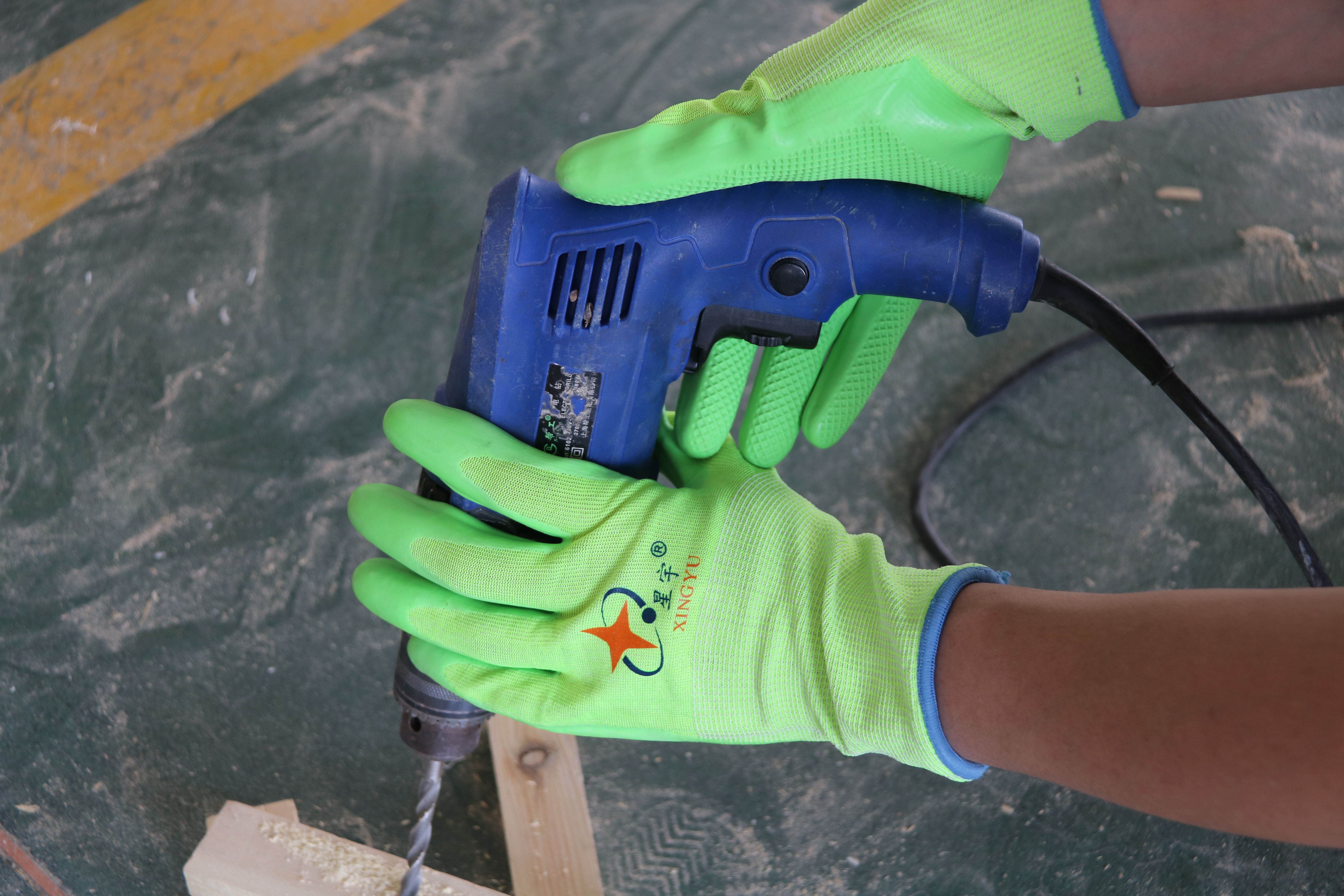
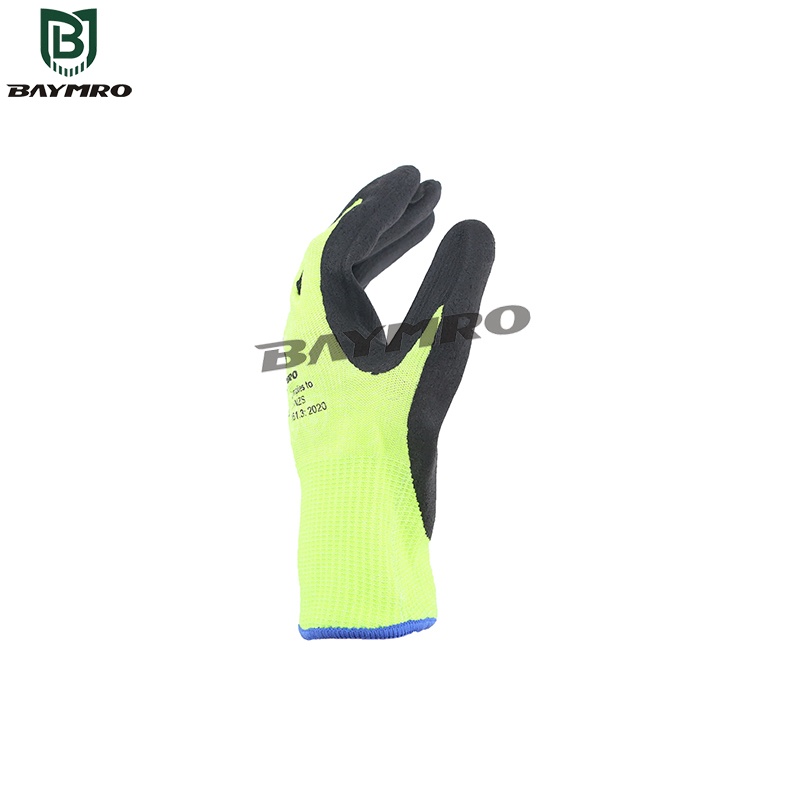
The palm and finger coating determines the glove's grip, abrasion resistance, and suitability for specific environments (wet, dry, or oily). Consistency in the factory's dipping line temperature and speed is critical to uniform coating thickness.
| Coating Type | Ideal Environment | Performance Characteristics |
|---|---|---|
| Polyurethane (PU) | Dry or slightly oily | High dexterity, breathable, low particulate shed. |
| Micro-Foam Nitrile | Oily or wet conditions | Acts like a sponge to displace oil, excellent grip. |
| Sandy Nitrile | Heavy oil and mud | Textured surface provides maximum slip resistance. |
| Crinkle Latex | Dry, rough materials | High elasticity and tear resistance; poor with oils. |
Struggling with inconsistent coating weights or failed lab tests? Let us help you audit and upgrade your supplier base.
Talk to our teamQuality Control and Manufacturing Defects
Quality is won or lost on the factory floor, specifically during the knitting and dipping phases. Poor tension control during knitting leads to sizing irregularities, while improper mold temperatures cause coating defects. Conducting rigorous Quality Control & Inspection before shipment is non-negotiable for PPE.
Critical Factory-Level Quality Checks
- Coating Bleed-Through: Ensure the polymer has not penetrated the liner to the inside, which causes skin irritation.
- Weight Consistency: Weighing samples to ensure the yarn density and coating thickness match the approved golden sample.
- Cuff Overlocking: Checking the elasticity and color-coding of the wrist binding for durability and size identification.
- Odor and Washing: Verifying that residual chemicals (like DMF in PU gloves) have been properly washed out.
Navigating Safety Standards and Compliance
Importers must ensure their products pass independent laboratory testing for their target markets. The two primary global standards evaluate cut resistance differently:
- ANSI/ISEA 105 (North America): Uses the TDM-100 machine to measure the weight (in grams) required to cut through the material, scaling from A1 (light hazard) up to A9 (extreme hazard).
- EN 388 (Europe): Utilizes both the Coupe Test (rated 1 to 5) and the ISO 13997 TDM test (rated A to F).
Because safety claims carry severe liability, verifying a factory's test reports is critical. We strongly recommend comprehensive Compliance & Testing protocols to ensure the bulk production matches the initial lab certifications. Furthermore, verifying the manufacturer's internal quality management systems through professional Factory Audits helps prevent unauthorized material substitutions mid-production.
Typical Sourcing Terms: MOQs, Lead Times, and OEM
Most cut-resistant gloves are sourced from specialized industrial clusters in China (particularly in Shandong and Jiangsu provinces), which house the most advanced knitting and dipping machinery.
For brands looking to build their own product lines, OEM/ODM Services allow for custom yarn colors, specific coating formulations, and private-label heat-transfer logos on the back of the hand.
Ready to scale your PPE brand? Connect with our sourcing experts to negotiate better terms and secure reliable production capacity.
Get a free consultationFrequently Asked Questions
Securing a reliable supply of cut-resistant gloves means looking past the initial unit price and rigorously auditing the factory's yarn sourcing, dipping consistency, and compliance testing capabilities. Working with an experienced sourcing partner ensures your PPE meets regulatory demands while maintaining stable, scalable production economics.
Get Sourcing Help for Cut-Resistant Gloves
Tell us your requirements and our experts will connect you with verified manufacturers.