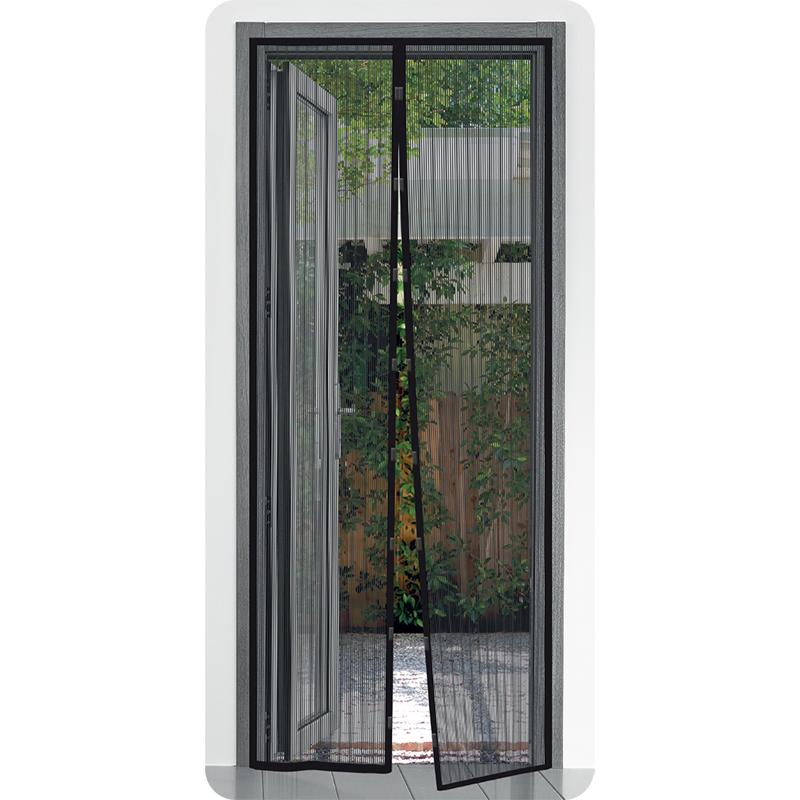
Curtains
Source premium curtains directly from vetted manufacturers and wholesale suppliers across Asia. Designed for importers, distributors, procurement managers, and brands requiring reliable bulk production, OEM/ODM customization, and strict quality control for commercial and residential home textiles.
Sourcing curtains at scale requires more than just selecting appealing patterns. For high-volume importers and commercial buyers, success depends on strict control over fabric weight, dye lot consistency, blackout coating specifications, and heading construction. Navigating the Asian textile manufacturing landscape means differentiating between simple cut-and-sew workshops and fully integrated mills capable of custom weaving, dyeing, and finishing.
Critical Specifications for Bulk Production
When negotiating with curtain manufacturers, vague specifications lead to inconsistent quality. Professional buyers must define exact parameters for materials and construction before requesting quotations.
Fabric Weight and Composition
Fabric weight, measured in Grams per Square Meter (GSM), directly impacts the drape, opacity, and perceived quality of the curtain. Lightweight sheers typically range from 50 to 100 GSM, while heavy velvet or jacquard drapes can exceed 300 GSM. Always specify the exact fiber blend (e.g., 100% Polyester, Poly-Cotton blends, or Linen) alongside the GSM, as factories may substitute lighter, cheaper yarns if tolerances are not explicitly documented.
Blackout and Dimout Technologies
For bedroom and hospitality applications, light-blocking capabilities are a primary cost driver. Buyers must distinguish between triple-woven blackout fabrics (which use a high-density black yarn in the middle layer) and acrylic foam-coated fabrics.
| Coating Type | Light Blocking | Characteristics | Typical Application |
|---|---|---|---|
| 1-Pass Coating | Up to 70% | Single layer of foam; lighter drape | Economy residential dimout |
| 2-Pass Coating | Up to 90% | Two layers (white/grey); better insulation | Standard retail blackout |
| 3-Pass Coating | 100% | Three layers (white/black/white); stiff drape | Hospitality & premium retail |
Struggling with inconsistent fabric quality or unreliable dye lots? Let us help you secure manufacturers capable of meeting strict textile tolerances.
Talk to our teamManufacturing Risks and Quality Control
The transition from fabric roll to finished curtain introduces several points of failure. Even premium fabrics can be ruined by poor cut-and-sew operations. Executing rigorous quality control and inspection during and after production is essential to prevent defective inventory from loading onto the container.
Critical Inspection Points for Finished Curtains
- Dimensional Stability: Verify exact drop length and width tolerances (usually ±1cm).
- Pattern Matching: Ensure horizontal and vertical patterns align perfectly across curtain pairs.
- Stitching and Puckering: Check for tension issues on side seams and bottom hems that cause the fabric to warp.
- Colorfastness: Test for resistance to fading from UV light and washing.
- Heading Tape Integrity: Inspect the reinforcement of grommets, pinch pleats, or rod pockets for load-bearing strength.
Managing Dye Lot Variations
Textile dyeing is a chemical process influenced by temperature, humidity, and water quality. Minor color shifts between production runs are inevitable. To mitigate this, establish a master color standard (lab dip) and require the factory to submit physical production samples from the actual bulk dye lot before cutting begins.
Compliance and Market Standards
Depending on your target market and end-use, curtains may need to meet strict regulatory standards. For commercial, hotel, or institutional buyers, flammability regulations are strictly enforced. Ensuring your supplier utilizes proper fire-retardant (FR) treatments—either topically applied or inherently woven into the polyester yarn—is vital.
Partnering with experts for compliance testing ensures your products meet regional requirements such as NFPA 701 (US) or EN 13773 (Europe), as well as chemical safety standards like OEKO-TEX Standard 100 for harmful substances.
MOQs, Pricing, and Lead Times
Pricing in the curtain wholesale market is dictated by raw material costs, fabric width (standard 140cm vs. wide-width 280cm/320cm for seamless drops), and the complexity of the heading style.
When utilizing OEM/ODM services for custom printed or jacquard-woven designs, expect longer lead times (up to 60 days) to account for screen setup, lab dips, and custom weaving programming.
Ready to optimize your landed costs and streamline your textile supply chain? Speak with our sourcing experts today.
Get a free consultationFrequently Asked Questions
Securing a reliable supply of commercial or retail-grade curtains requires looking past the showroom samples and verifying the factory's actual production infrastructure. Conducting comprehensive factory audits before placing high-volume orders is the most effective way to ensure your supplier has the technical capability, ethical compliance, and financial stability to deliver on time.
Get Sourcing Help for Curtains
Tell us your requirements and our experts will connect you with verified manufacturers.