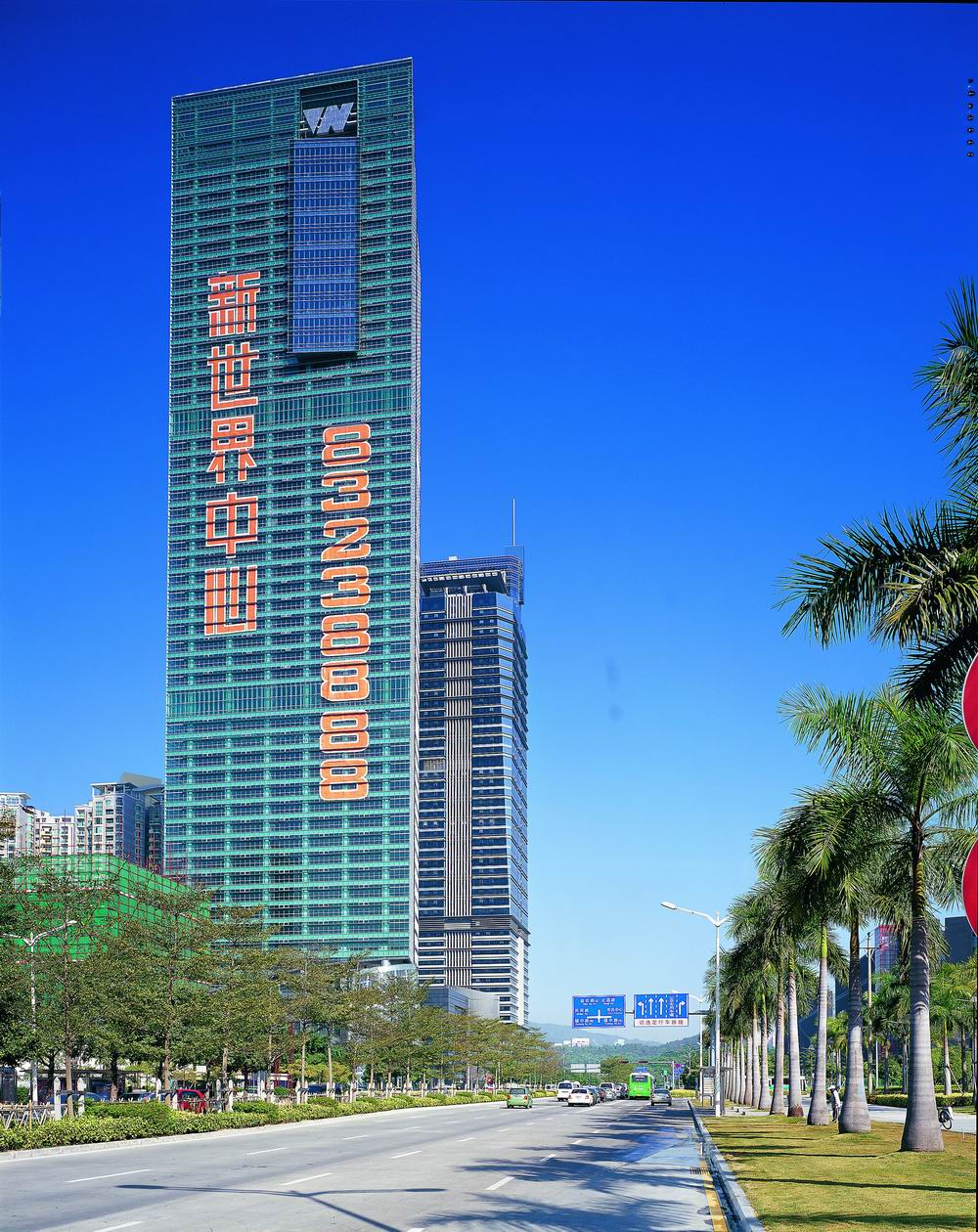
Curtain Walls
Source high-performance curtain walls in bulk from vetted manufacturers and suppliers. Designed for commercial developers, contractors, and specialized importers, our wholesale network delivers custom architectural glazing, unitized systems, and stick-built facades engineered for strict structural and thermal compliance.
Sourcing commercial curtain wall systems directly from overseas manufacturers requires balancing architectural intent with stringent structural and thermal realities. As the primary barrier against wind, water, and thermal transfer, the building envelope demands exact engineering. The true sourcing challenge is not simply finding a supplier who can extrude aluminum and cut glass; it is identifying a fabrication partner capable of maintaining the tight machining tolerances required for seamless on-site assembly, while strictly adhering to international facade performance standards.
Navigating complex thermal requirements and wind load calculations with overseas fabricators requires technical precision. Let our sourcing experts help you identify a manufacturer equipped for your project's demands.
Discuss your project specsSpecifying High-Performance Facade Systems
When negotiating with curtain wall manufacturers, vague specifications lead to catastrophic on-site failures. Professional buyers must dictate exact parameters for both the framing and the infill panels to ensure the final product meets local building codes and energy ratings.
Key technical parameters to define include:
- Aluminum Extrusion Grade: Specify 6063-T5 or 6063-T6 alloys for optimal strength-to-weight ratios. The die precision must guarantee tight interlocking tolerances.
- Thermal Break Technology: For climates requiring high energy efficiency, mandate polyamide (PA66) thermal barrier strips rather than cheaper poured-and-debrid polyurethane, which degrades over time.
- Glass Makeup: Specify exact configurations for Insulated Glass Units (IGUs), including glass thickness, tempering or lamination requirements, Low-E coating specifications (e.g., double silver or triple silver), and argon gas fill rates to hit target U-values and Solar Heat Gain Coefficients (SHGC).
- Surface Finishing: Specify fluorocarbon (PVDF) coatings for superior weather resistance, or high-grade anodizing (minimum 20 microns) for coastal environments.
| System Type | Factory Assembly | On-Site Installation | Best Application |
|---|---|---|---|
| Stick-Built | Low (Components shipped loose) | Labor-intensive, slower | Low to mid-rise, complex geometries |
| Unitized | High (Fully glazed panels) | Fast, crane-assisted | High-rise, repetitive facades |
Factory Verification and Quality Control
Curtain wall manufacturing leaves no room for error. A poorly applied sealant or a misaligned mullion can result in severe water ingress or wind load failure. Verifying a factory's capability before placing a bulk order is critical.
Executing comprehensive Factory Audits is essential to confirm that the supplier possesses the necessary infrastructure. For structural silicone glazing (SSG), the factory must have climate-controlled, dust-free bonding rooms and maintain meticulous butterfly test logs for two-part silicone adhesion.
Factory Capability Audit Checklist
- In-house extrusion capability or verified tier-one billet sourcing
- Dust-free, temperature-controlled environment for structural silicone application
- Automated CNC machining centers for precision mullion and transom cutting
- In-house or third-party laboratory for mock-up performance testing
- Traceability systems for glass batches and sealant expiration dates
Furthermore, before mass production begins, you must mandate Performance Mock-Up (PMU) testing. Partnering with specialists for Compliance & Testing ensures the system design passes rigorous air infiltration, dynamic water penetration, and structural wind load tests according to AAMA, ASTM, or EN standards.
Sourcing Economics: MOQs, Pricing, and Logistics
Curtain wall pricing is highly variable and depends entirely on the architectural specifications. The primary cost drivers are the complexity of the custom aluminum dies, the glass specification (e.g., oversized panels, complex Low-E coatings), and the surface treatment of the profiles.
Logistics present a significant hurdle, particularly for unitized systems which ship as fully assembled, bulky panels. Improper packing leads to shattered glass and scratched extrusions. Ensure the factory uses engineered steel stillages or heavy-duty A-frames, properly strapped and isolated to prevent metal-to-metal contact. Because of the fragile and oversized nature of these shipments, utilizing specialized Shipping & Freight services is critical to managing container loading plans and mitigating transit risks.
Managing quality control and complex logistics for structural facades takes dedicated oversight. Partner with Merhein to secure your supply chain from factory floor to job site.
Talk to our teamBuyer FAQ
Procuring curtain wall systems in volume requires technical vigilance at every stage, from die design to final container loading. A tightly managed manufacturing process protects not only your project timeline but the structural integrity of the building itself.
Get Sourcing Help for Curtain Walls
Tell us your requirements and our experts will connect you with verified manufacturers.