Cupping
Source high-quality cupping therapy sets directly from vetted suppliers and manufacturers. Designed for medical device importers, wholesalers, distributors, and brands seeking reliable bulk or OEM production. Secure competitive wholesale pricing on professional-grade cupping equipment built to strict global market standards.
Sourcing cupping equipment at scale requires balancing material safety with mechanical reliability. Whether you are importing traditional glass cups for clinical use or modern polycarbonate suction kits for retail and physical therapy markets, the primary challenge lies in ensuring consistent vacuum retention, thermal stability, and biocompatibility across large production batches.
Core Material Specifications
The raw materials dictated in your bill of materials (BOM) determine both the product's lifespan and its regulatory pathway. Buyers must specify exact material grades to prevent factories from substituting cheaper, non-compliant alternatives.
| Material Type | Typical Application | Critical Specification |
|---|---|---|
| Borosilicate Glass | Traditional fire cupping | Annealing process for thermal shock resistance |
| Polycarbonate (PC) | Pump-action suction sets | Impact resistance and clarity (avoid cheap PS blends) |
| Platinum-Cured Silicone | Dynamic/massage cupping | Biocompatibility (ISO 10993) and shore hardness |
Glass Cupping Sets
For traditional fire cupping, glass must withstand rapid temperature changes without fracturing. Specify borosilicate glass rather than standard soda-lime glass. The critical manufacturing step here is the annealing process—cooling the glass slowly to relieve internal stresses. Poorly annealed glass is a major liability in clinical settings, as it can shatter under thermal stress.
Plastic and Suction Sets
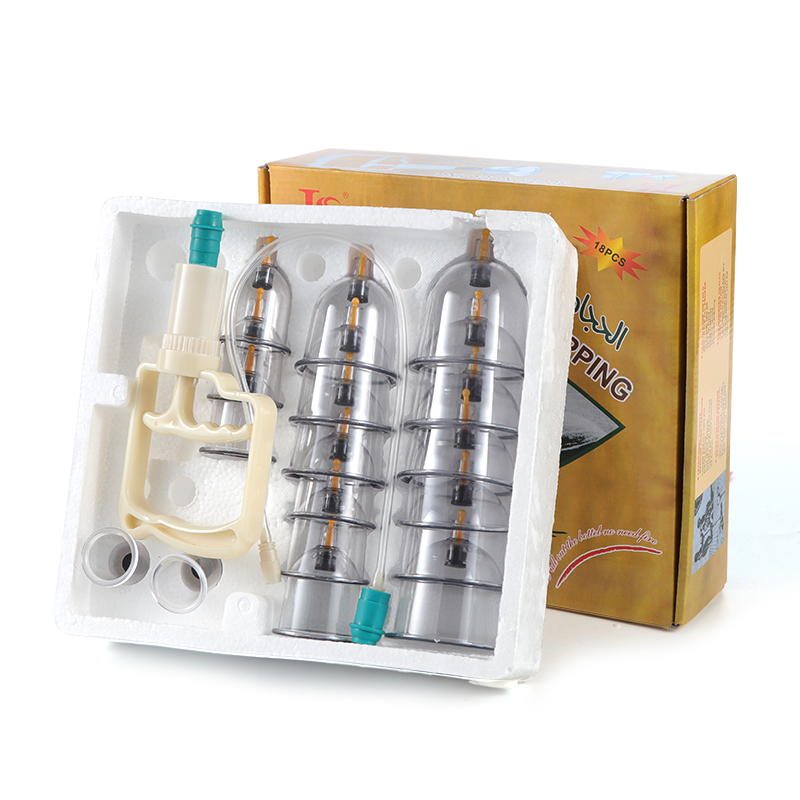
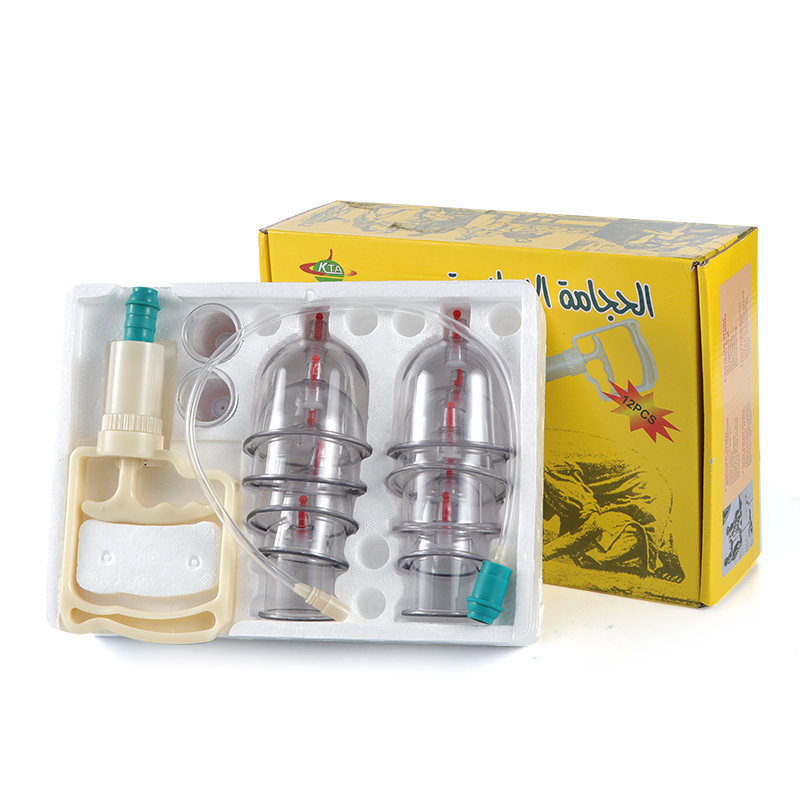
Modern suction sets rely on a mechanical valve and pump system. The cups themselves should be injection-molded from Polycarbonate (PC) or Acrylonitrile Butadiene Styrene (ABS) for durability. Lower-tier suppliers often blend Polystyrene (PS) into the resin to cut costs, resulting in brittle cups that crack under vacuum pressure.
Need help verifying factory material grades and production capabilities?
Discuss your product specsManufacturing Tolerances and Quality Control
The most common failure point in modern cupping sets is the one-way air valve. If the silicone seal inside the valve is poorly molded or the plastic housing has dimensional inaccuracies, the cup will slowly lose suction.
When establishing your quality control & inspection protocols, mandate specific AQL (Acceptable Quality Limit) testing for:
Critical Factory Inspection Points
- Vacuum Retention: Cups must maintain a specified negative pressure for a minimum of 15 minutes without measurable loss.
- Edge Smoothness: Injection molding flash or glass seams on the cup's rim must be polished; any roughness can cause skin abrasions.
- Valve Durability: Actuation testing on the pump gun and cup valves to ensure seals do not deform after repeated use.
- Material Clarity: For PC/ABS cups, checking for cloudiness or flow marks that indicate degraded or recycled resin.
Regulatory Compliance and Certifications
Cupping sets often straddle the line between wellness products and medical devices. In the US, they are typically regulated by the FDA as Class I medical devices (physical medicine devices), requiring manufacturer registration and device listing. In the EU, they fall under the MDR (Medical Device Regulation), usually as Class I or IIa depending on specific medical claims.
Ensure your manufacturing partner holds a valid ISO 13485 certification for medical device quality management systems. Furthermore, any silicone or plastic parts coming into prolonged contact with the skin should undergo compliance testing for cytotoxicity and skin sensitization (ISO 10993 standards).
OEM/ODM Customization
For brands looking to differentiate, OEM/ODM services offer pathways to customize cupping sets. This ranges from simple private labeling (pad printing logos on cups and custom EVA foam packaging) to developing proprietary silicone molds with specific shore hardness levels (usually between 40A and 60A) for targeted tissue manipulation.
Typical Pricing, MOQ, and Lead Times
Sourcing costs and minimum order quantities vary heavily based on the material and the level of customization.
Pricing is heavily influenced by the number of cups per set, the inclusion of accessories (like extension tubes or magnetic acupressure pointers), and the quality of the carrying case. Relying solely on the lowest quote often results in compromised valve integrity or downgraded plastics.
Ready to negotiate pricing and terms with vetted cupping manufacturers?
Talk to our teamBuyer FAQ
Successfully importing cupping sets requires moving past aesthetic checks and focusing heavily on mechanical reliability and material safety. Partnering with experienced sourcing professionals ensures your specifications are met on the factory floor, protecting your brand from costly defects and compliance failures.
Get Sourcing Help for Cupping
Tell us your requirements and our experts will connect you with verified manufacturers.