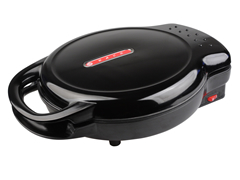
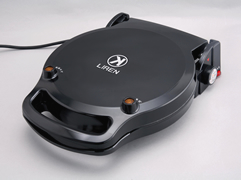
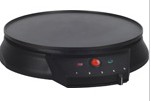
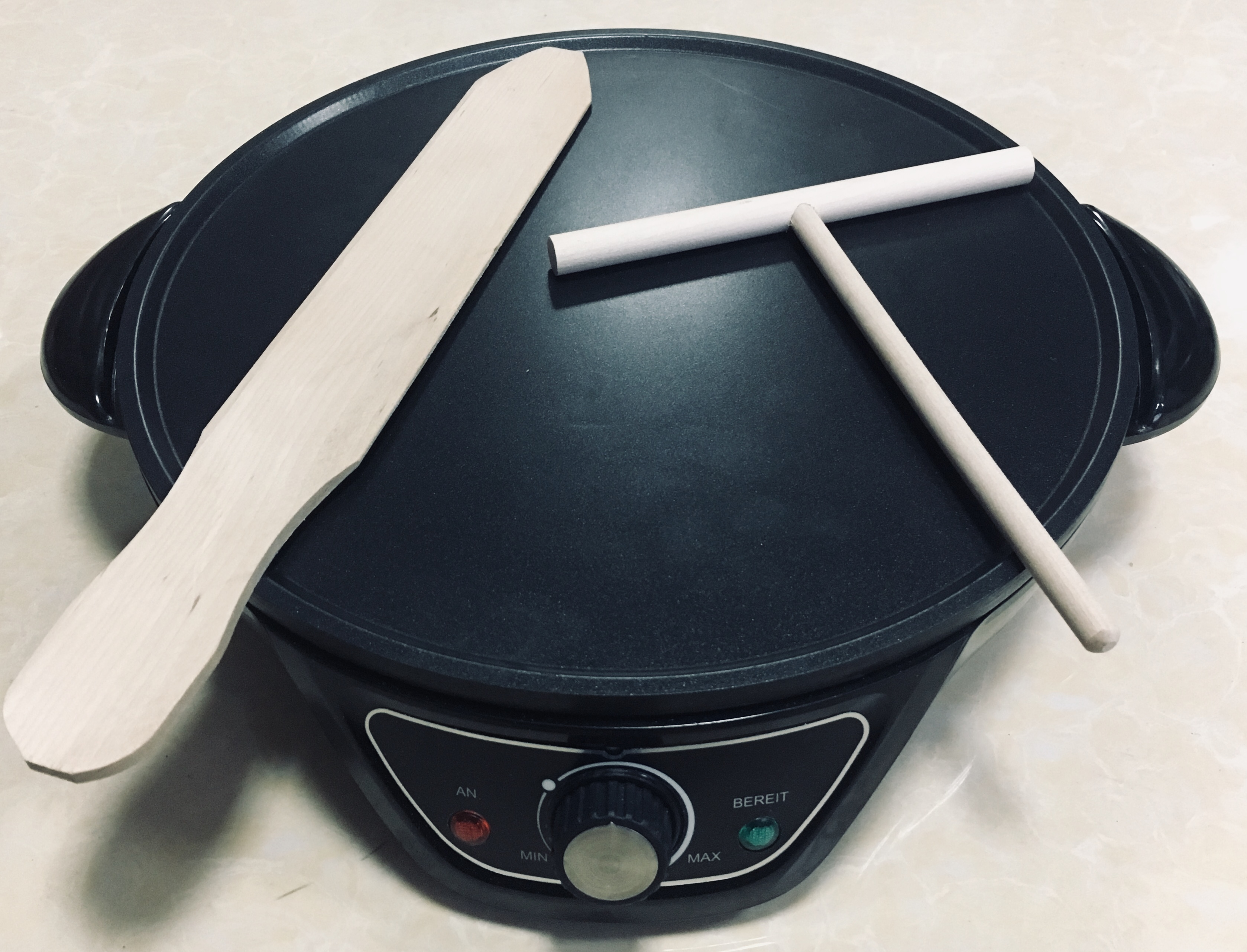
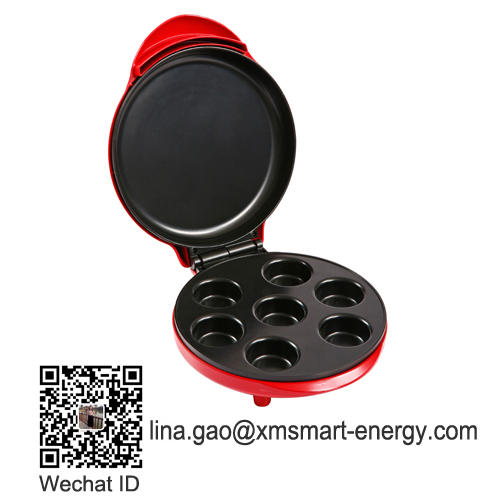
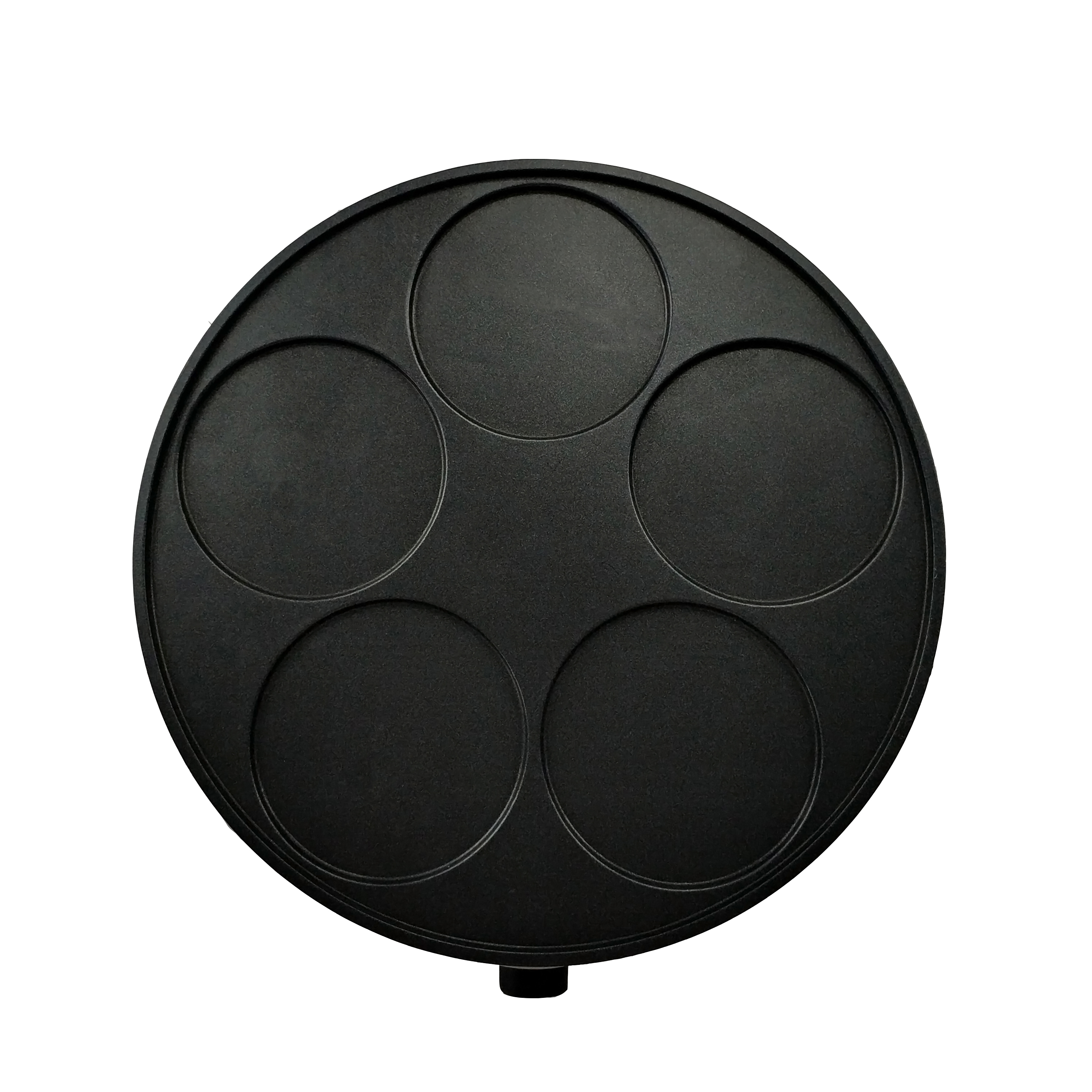
Crepe & Pancake Makers
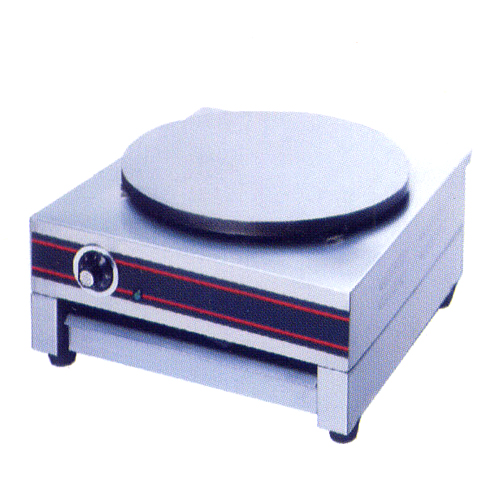
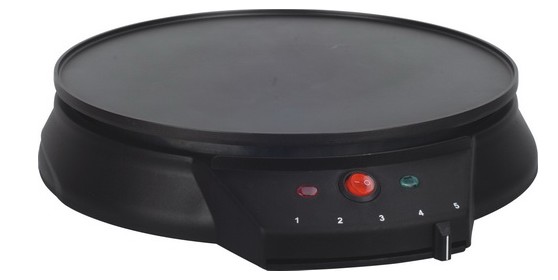
Source high-quality crepe and pancake makers in bulk directly from vetted manufacturers. Designed for importers, wholesalers, and appliance brands requiring reliable OEM and private-label production, our supplier network delivers consistent heating performance, precise temperature control, and market-compliant food-grade materials.
Sourcing crepe and pancake makers in volume requires strict attention to thermal engineering and material safety. While the core technology is straightforward—a heating element beneath a flat conductive plate—the difference between a reliable appliance and a high-return liability lies in manufacturing tolerances, coating durability, and thermostat precision.
Specifying Plate Materials and Heating Elements
The cooking surface and the heating element dictate the appliance's performance and lifespan. When defining your product specifications with a factory, pay close attention to the plate's thermal mass and the element's layout.
| Specification | Die-Cast Aluminum (Domestic) | Cast Iron (Commercial/Prosumer) |
|---|---|---|
| Thermal Conductivity | High (rapid heat up) | Moderate (slow heat up, high retention) |
| Coating Requirement | Requires PTFE or ceramic non-stick | Often seasoned, or heavy-duty enamel |
| Weight & Logistics | Lightweight, lower freight costs | Heavy, requires robust packaging |
| Typical Wattage | 1000W – 1500W | 2000W – 3000W |
For die-cast aluminum plates, the thickness is critical. Thinner plates (under 2.5mm) reduce FOB costs but are highly susceptible to warping under repeated thermal cycling, leading to uneven batter distribution. Ensure your bill of materials (BOM) specifies a minimum plate thickness suited to the target wattage.
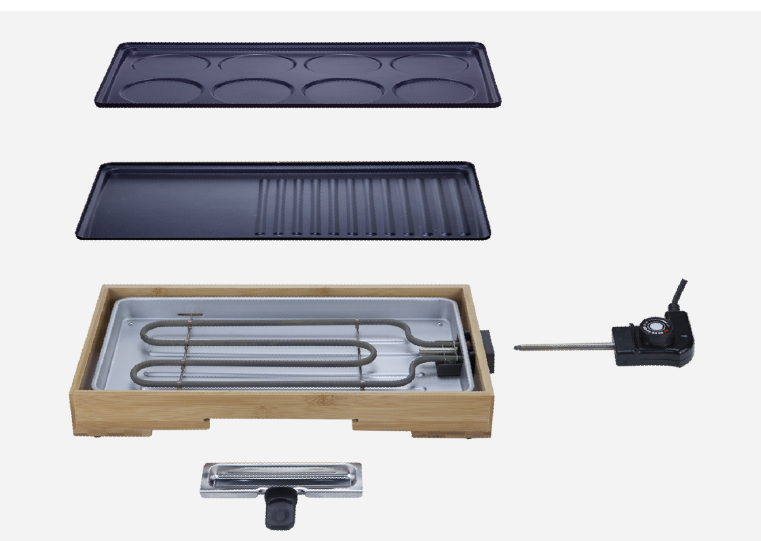
Heating elements are typically tubular and embedded or clamped to the underside of the plate. The layout of this element determines temperature uniformity. A simple circular element often creates hot spots; a multi-ring or serpentine layout ensures the edges of the 12-inch or 14-inch plate reach the same temperature as the center.
Manufacturing Tolerances and Quality Control
Defects in this category usually stem from poor coating application or substandard electrical components. Managing these risks requires rigorous Quality Control & Inspection during the production run, not just before shipping.
Struggling with high defect rates on heating appliances? Let our on-the-ground engineers manage your factory's quality control.
Talk to our teamWhen auditing production or setting AQL (Acceptable Quality Limit) standards, focus on these critical failure points:
Critical QC Checkpoints for Crepe Makers
- Coating Adhesion: Perform cross-hatch testing to ensure the non-stick coating will not flake after thermal expansion.
- Thermostat Hysteresis: Measure the temperature swing. Bimetallic thermostats should maintain temperatures within a 15-degree Celsius tolerance.
- Plate Flatness: Use a straight edge and feeler gauge on the cooled plate to verify it has not warped during the die-casting or cooling process.
- High-Pot Testing: Ensure 100% of units undergo high-voltage testing on the assembly line to check for electrical leakage.
Compliance and Food Safety Standards
Crepe makers straddle two heavily regulated areas: electrical safety and food contact. Your target market dictates the required certifications, and you must verify that the factory holds valid, verifiable test reports for the specific components used in your order.
- Electrical Safety: CE (LVD/EMC) for Europe, and UL or ETL for North America. Pay attention to the power cord specifications (e.g., H05VV-F for Europe, SJT for the US) to ensure they match the appliance's amperage.
- Food Contact Materials (FCM): The cooking plate coating must pass FDA regulations in the US, or LFGB standards in Europe. LFGB is notably stricter regarding the migration of heavy metals and perfluorinated compounds.
If you are customizing an existing factory model, Compliance & Testing services are essential to ensure any changes to the coating supplier or housing material do not invalidate existing certifications.
Order Mechanics: MOQs, Pricing, and Lead Times
Pricing in this category is highly elastic, driven primarily by raw material costs (aluminum, copper for cords) and the quality of the non-stick coating (e.g., generic PTFE vs. branded Whitford/ILAG coatings).
When negotiating OEM/ODM Services, be aware that lowering the MOQ often results in the factory using off-the-shelf, lower-grade coatings or thinner internal wiring. It is generally more cost-effective to meet the standard MOQ of 1,000 units to secure a custom production run where you dictate the component quality.
Ready to optimize your appliance supply chain? We negotiate direct with vetted manufacturers to secure better pricing and strict compliance.
Get a free consultationFrequently Asked Questions
Successfully sourcing crepe and pancake makers at scale means looking past the cosmetic exterior to control the thermal dynamics, material thicknesses, and electrical safety components. By defining strict BOMs and enforcing rigorous quality standards on the factory floor, importers can eliminate the hidden defects that drive costly consumer returns.
Get Sourcing Help for Crepe & Pancake Makers
Tell us your requirements and our experts will connect you with verified manufacturers.