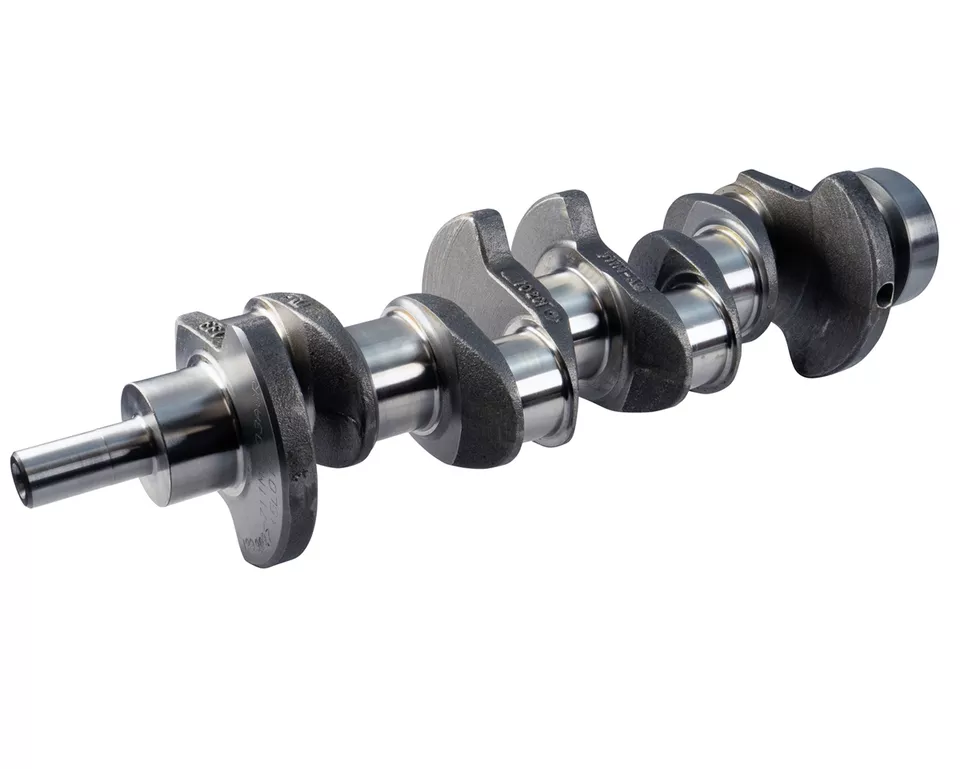
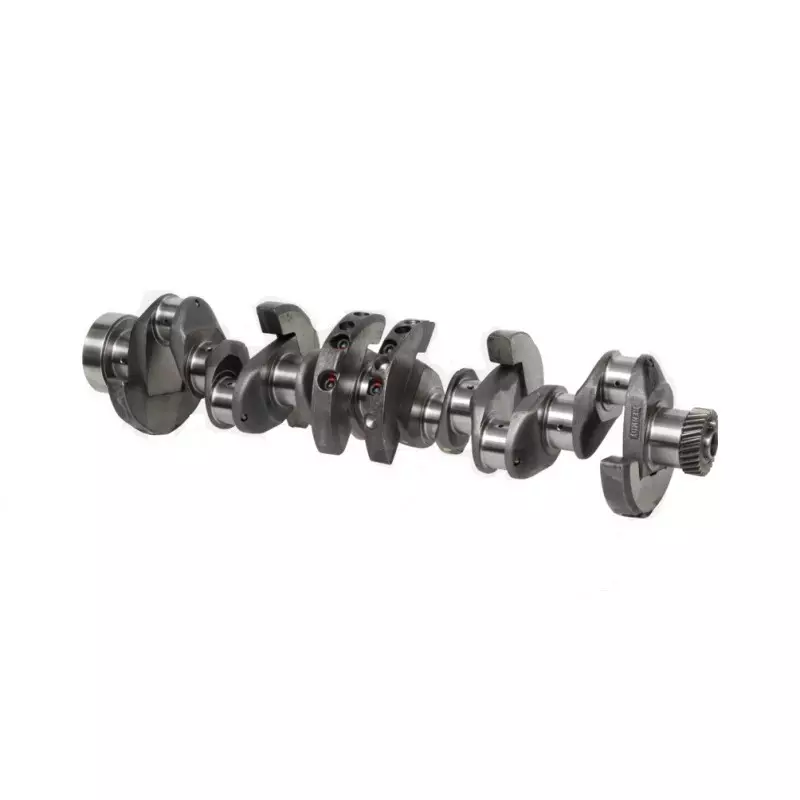
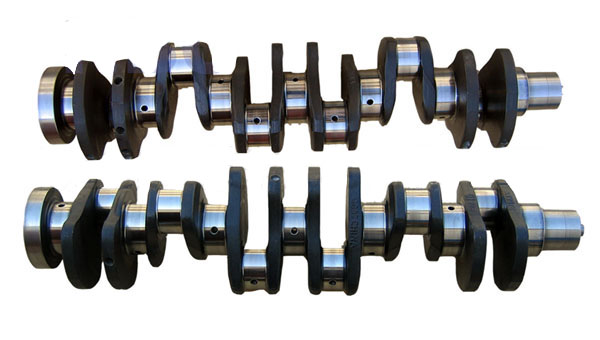
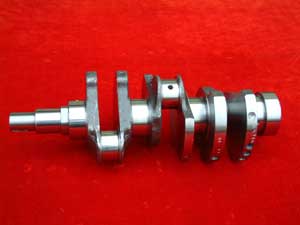
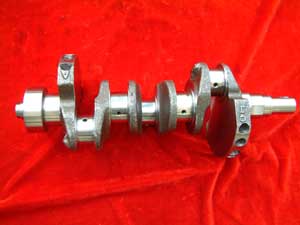
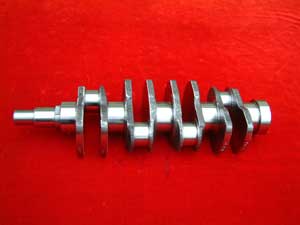
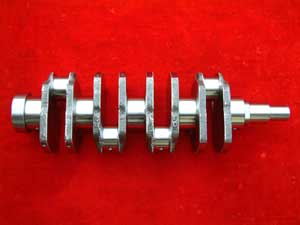
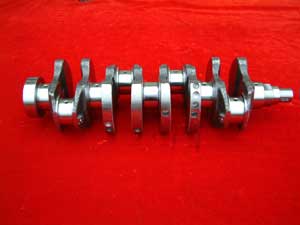
Crankshafts & Bearing Bushes
Source high-performance Crankshafts & Bearing Bushes from vetted manufacturers and suppliers in Asia. Designed for automotive importers, wholesale distributors, and aftermarket brands seeking reliable OEM, ODM, or private-label production with strict quality control.
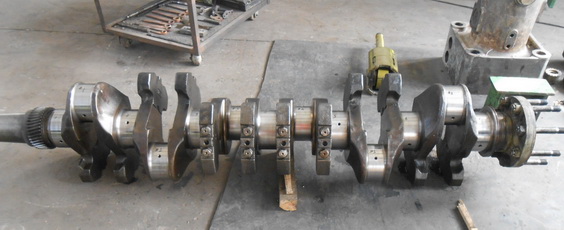
Crankshafts and bearing bushes form the rotational core of any internal combustion engine. Sourcing these components in bulk requires navigating stringent metallurgical standards, exact machining tolerances, and rigorous dynamic balancing requirements. A failure at the crankshaft level is catastrophic for an engine, meaning your supply chain must be anchored by manufacturers capable of consistent, verifiable precision at scale.
Whether you are importing replacement parts for the commercial aftermarket or developing custom stroker kits for performance brands, identifying the right factory profile is critical to balancing unit costs with failure-free reliability.
Defining Metallurgical and Material Specifications
The operating environment of a crankshaft involves immense torsional stress and rotational friction. Specifying the correct material and surface treatment upfront dictates the factory you should partner with, as forging, casting, and CNC machining require entirely different capital equipment.
| Material Type | Typical Application | Cost & Production Profile |
|---|---|---|
| Nodular Cast Iron | Standard passenger vehicles, light-duty aftermarket | Lower unit cost; requires casting molds |
| Forged Steel (4340 / 4140) | Heavy-duty commercial, diesel, performance aftermarket | Higher tooling cost for forging dies; superior tensile strength |
| Billet Steel | Motorsport, custom racing, low-volume specialty | Premium cost; CNC machined directly from solid steel blocks |
Bearing Bush Materials
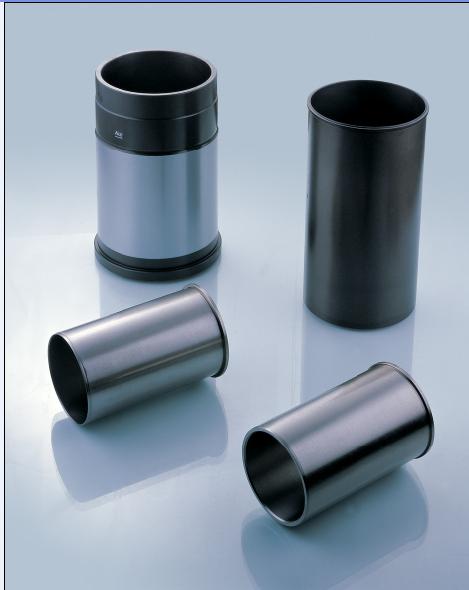
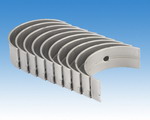
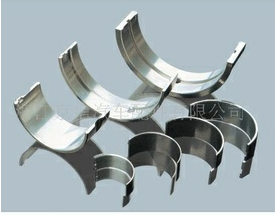
Engine bearings must balance load capacity with conformability and embeddability. High-volume buyers typically choose between:
- Bi-Metal (Aluminum Alloy): Steel backing with an aluminum-tin-silicon lining. Excellent for modern, high-RPM passenger engines. Highly resistant to corrosion and environmentally compliant.
- Tri-Metal (Copper-Lead): Steel backing, copper-lead intermediate layer, and a babbitt overlay. Often required for heavy-duty diesel or extreme performance applications due to superior load-carrying capacity, though environmental regulations in some markets restrict lead usage.
Need help matching material specifications to the right tier of automotive manufacturer? Let our engineering sourcing team evaluate your requirements.
Talk to our teamManufacturing Precision and Quality Control
The difference between a reliable supplier and a liability is found in their machining and inspection capabilities. Crankshaft journals must be machined to micro-finish tolerances to maintain the critical oil film clearance between the journal and the bearing bush.
When evaluating a factory's capabilities, prioritize their testing infrastructure. A robust supplier will maintain IATF 16949 certification and demonstrate strict in-house validation. Verifying these systems through comprehensive Factory Audits is a non-negotiable step before tooling investment.
Critical Factory QC Checkpoints
- Dynamic Balancing: Equipment capable of balancing at high RPMs to strict gram-millimeter tolerances.
- Non-Destructive Testing (NDT): Magnetic Particle Inspection (MPI) or ultrasonic testing to detect internal micro-fractures.
- Surface Hardness Verification: Rockwell hardness testing (typically HRC 45 to 55) for nitrided or induction-hardened journals.
- Dimensional Metrology: CMM (Coordinate Measuring Machine) reports verifying journal roundness, taper, and runout under 0.005mm.
- Bearing Wall Thickness: Micrometer verification of bearing bush crush and wall consistency.
Sourcing Mechanics: MOQs, Tooling, and Lead Times
Automotive engine components are capital-intensive to produce. Understanding the cost drivers helps in negotiating viable wholesale contracts.
Tooling costs are a primary factor. Casting molds for nodular iron are relatively affordable, while forging dies for steel crankshafts require significant upfront investment. If you are leveraging OEM/ODM Services to produce proprietary stroke lengths or custom counterweight designs, expect tooling development to add 30 to 45 days to your initial timeline.
Managing Supply Chain Risks
Because automotive parts are heavy and prone to oxidation during transit, packaging specifications are vital. Crankshafts must be treated with rust preventative, wrapped in VCI (Volatile Corrosion Inhibitor) paper, and secured in reinforced wooden crates to prevent journal damage. Implementing independent Quality Control & Inspection prior to container loading ensures dimensional accuracy and proper packaging before the goods leave the port.
Struggling with high defect rates or unreasonable MOQs? We negotiate directly with top-tier engine component factories to secure better terms and consistent quality.
Get a free consultationFrequently Asked Questions
Sourcing critical engine components requires more than just finding a low price; it demands a rigorous alignment of metallurgical capabilities, machining precision, and quality assurance. Partnering with the right factory ensures your crankshafts and bearing bushes perform reliably under extreme conditions, protecting both your brand reputation and your bottom line.
Get Sourcing Help for Crankshafts & Bearing Bushes
Tell us your requirements and our experts will connect you with verified manufacturers.