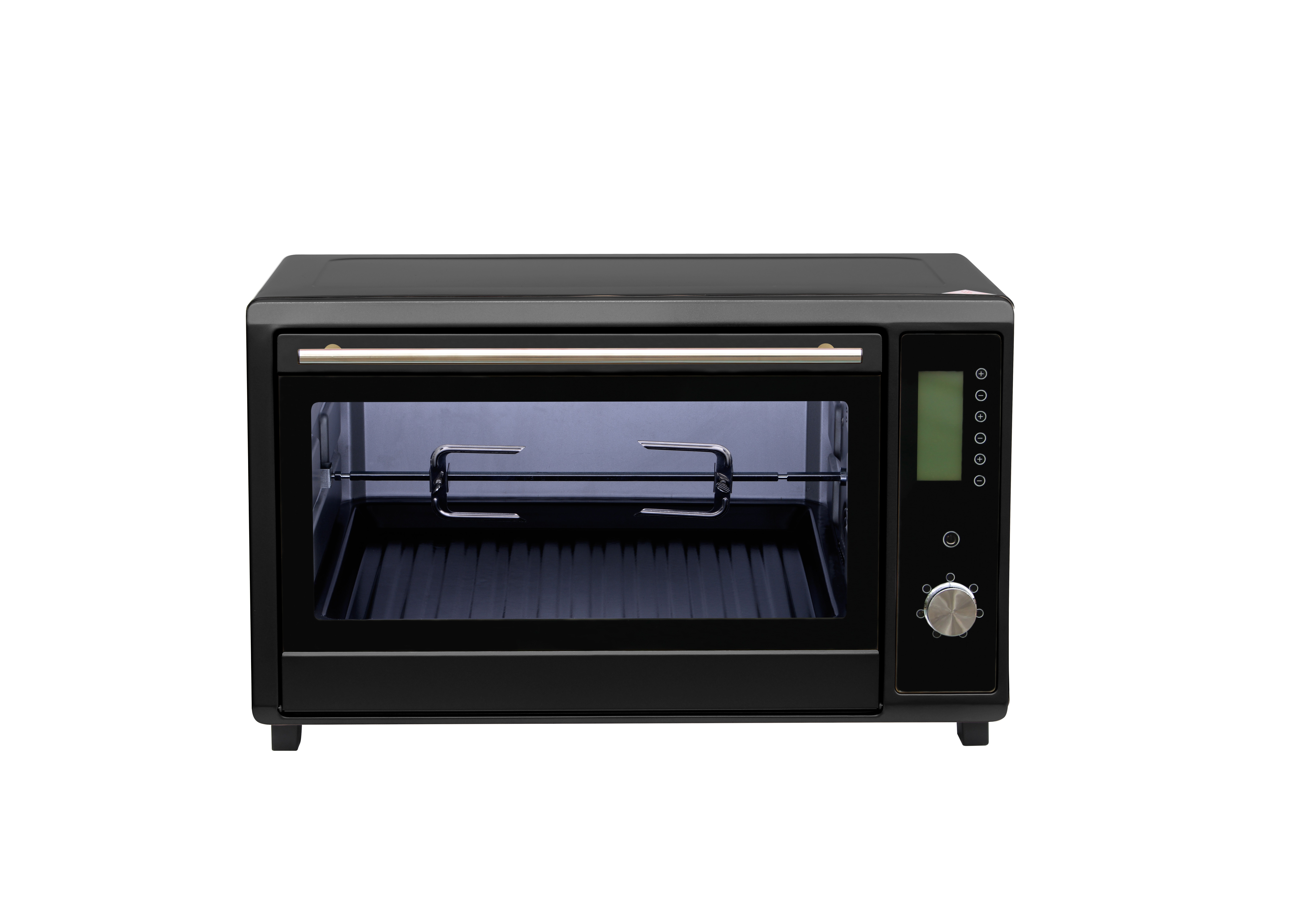
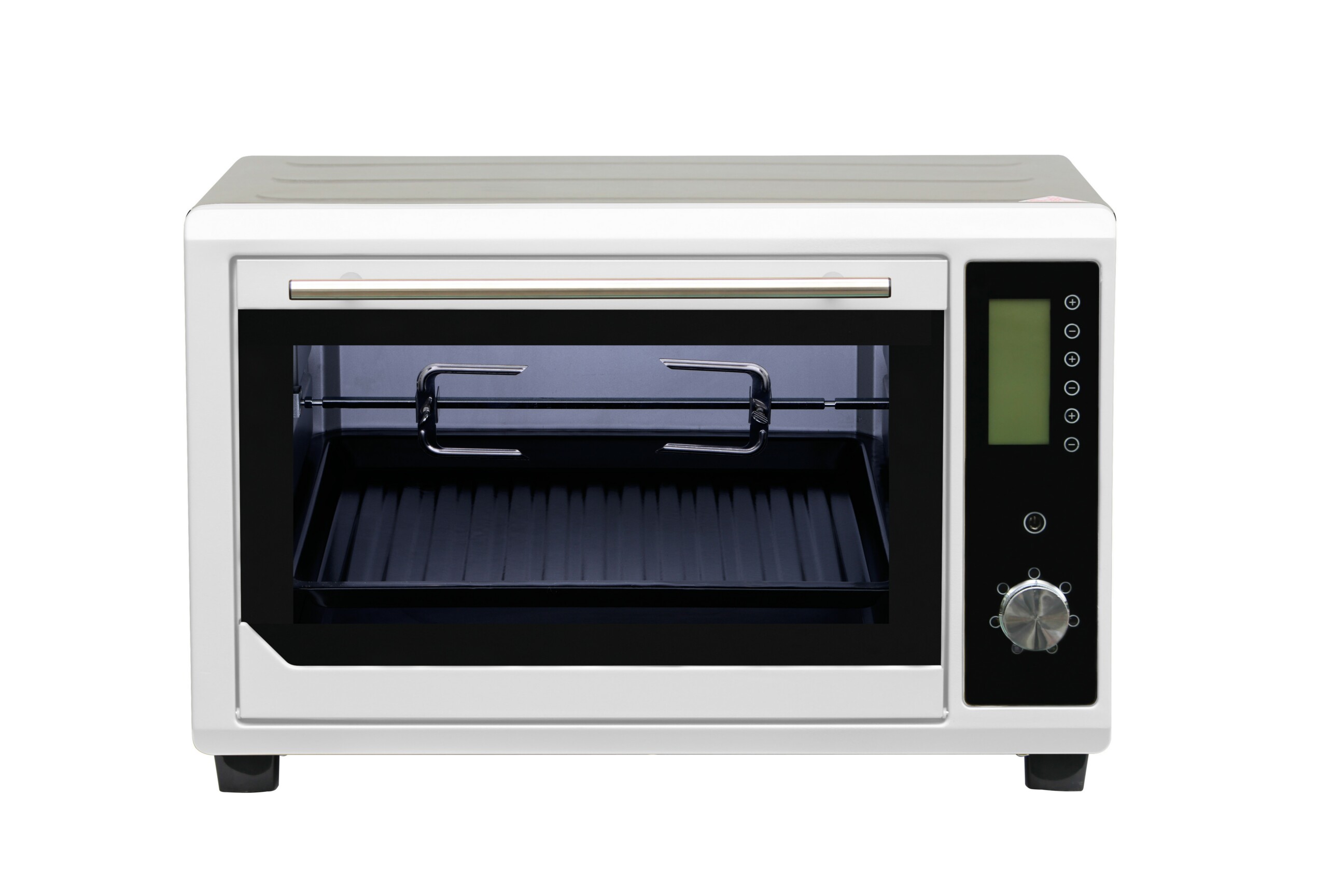
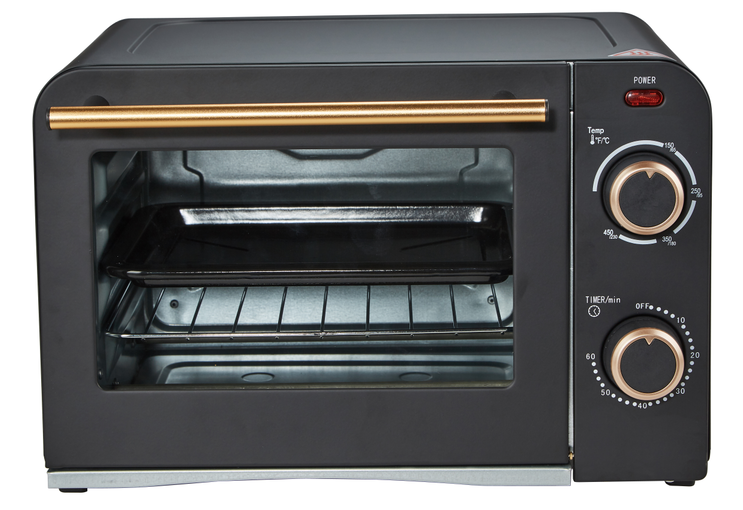
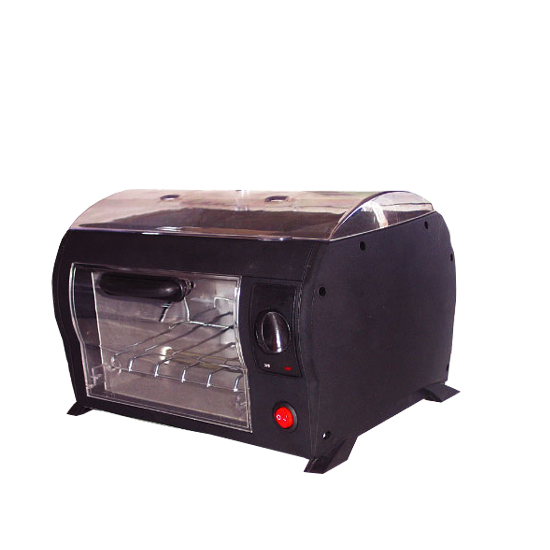
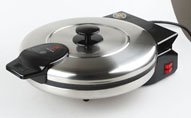
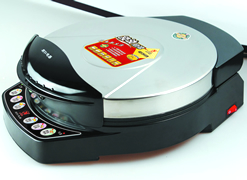
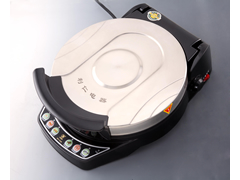
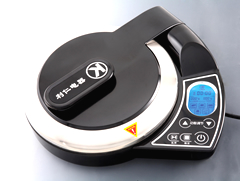
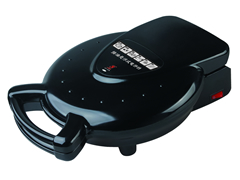
Countertop Ovens
Source high-quality Countertop Ovens from vetted suppliers and manufacturers across Asia. Designed for importers, wholesalers, distributors, and brands looking for reliable OEM and private-label production, this catalog offers scalable manufacturing solutions to meet your specific volume, compliance, and market demands.
Sourcing countertop ovens at scale requires navigating a complex matrix of thermal engineering, electrical safety standards, and aesthetic customization. For volume buyers, the challenge isn't just finding a factory that can assemble a metal box with heating elements; it's ensuring consistent heat distribution, reliable component lifespan, and strict adherence to destination-market compliance. Success depends on specifying the right internal components and implementing rigorous quality controls before the units ever leave the factory floor.
Core Specifications and Component Selection
The performance and unit cost of a countertop oven are dictated by its internal architecture. When negotiating with manufacturers, you must clearly define the specifications for heating elements, insulation, and control boards. Relying on a factory's "standard" off-the-shelf spec sheet often leads to localized cost-cutting that impacts longevity.
| Heating Element Type | Heating Speed | Durability | Typical Application |
|---|---|---|---|
| Quartz Tube | Fast | Moderate (susceptible to shock) | Entry-level to mid-tier toasters and ovens |
| Stainless Steel (Incoloy) | Moderate | High | High-capacity convection and baking ovens |
| Halogen / Infrared | Very Fast | Moderate | Premium rapid-cook countertop models |
Beyond the heating elements, thermal insulation is a critical factor. Single-wall cold-rolled steel enclosures dissipate heat rapidly, leading to poor energy efficiency and dangerously high external surface temperatures. High-quality units utilize double-wall construction with fiberglass insulation and Low-E (low emissivity) tempered glass doors to reflect heat back into the cavity.
Need to identify a manufacturer capable of meeting strict thermal and electrical safety standards? We can match you with the right factory.
Talk to our teamCustomization and OEM/ODM Production
Most importers rely on OEM/ODM Services to differentiate their product lines. While standard tooling exists for common capacities (ranging from 10L up to 45L+), brands often customize the external housing, control interfaces, and internal accessories.
Control Interface Customization
Choosing between mechanical dials (cheaper, robust) and digital PCBA controls (allows for presets, higher perceived value but requires strict electronic QC).
Cavity Coating Selection
Specifying galvanized steel (standard), aluminized steel (better heat reflection), or PTFE non-stick coatings (premium, requires food-safe certification).
Accessory Tooling
Developing custom baking pans, rotisserie spits, or air-fryer baskets that fit precisely within the cavity guides.
Quality Control and Compliance Standards
Countertop ovens are high-wattage appliances (typically 1000W to 2000W+), making electrical safety paramount. Destination markets require strict certifications: UL/ETL for North America, CE/RoHS for Europe, and specific food-contact material testing (like FDA or LFGB) for internal components. Managing Compliance & Testing early in the sourcing process prevents costly customs rejections.
Implement rigorous Quality Control & Inspection protocols during production. A standard pre-shipment inspection for countertop ovens should always verify:
Critical Inspection Points for Countertop Ovens
- Hi-Pot (High Potential) testing to ensure electrical insulation integrity and prevent shock hazards.
- Earth continuity testing for all metal housing components.
- Thermal mapping to verify the accuracy of the internal thermostat against the dial setting.
- Door hinge lifecycle testing to ensure the drop-down door maintains a tight seal after repeated use.
- External surface temperature checks to ensure compliance with safe-touch regulations.
Production Economics: Pricing, MOQ, and Lead Times
Pricing for countertop ovens is highly sensitive to the raw material costs of steel and copper, as well as the complexity of the control board. Minimum Order Quantities (MOQs) are typically dictated by the minimum run size for custom printed circuit boards or specific metal stamping runs.
Optimize your unit costs and ensure compliance with end-to-end sourcing management and pre-shipment inspections.
Get a free consultationFrequently Asked Questions
Successfully importing countertop ovens requires a precise balance of component specification, electrical safety validation, and supply chain oversight. By strictly defining your technical requirements and maintaining constant quality control at the factory level, you can build a reliable appliance line that protects your brand's reputation and margins.
Get Sourcing Help for Countertop Ovens
Tell us your requirements and our experts will connect you with verified manufacturers.