Countersink Drills
Source high-performance countersink drills from vetted manufacturers and suppliers. Designed for importers, industrial distributors, and hardware brands seeking bulk wholesale orders or custom OEM production. Explore our factory-direct catalog for precision tooling built to demanding specifications.
Procuring countersink drills in bulk requires strict attention to material grades, machining tolerances, and heat treatment processes. Whether you are sourcing standard 90-degree HSS tools for general distribution or specialized carbide-tipped aerospace countersinks, the difference between a high-performing tool and one that chatters or dulls prematurely lies entirely in the factory's grinding and metallurgical capabilities.
Material Selection and Flute Geometry
The foundation of any cutting tool is its base material. For countersink drills, manufacturers typically offer several tiers of steel and carbide, each suited to different price points and end-user applications. Specifying the exact grade is critical, as suppliers may default to lower-cost alloys if not explicitly directed.
| Material Grade | Typical Application | Wear Resistance | Cost Profile |
|---|---|---|---|
| HSS (M2) | Wood, Aluminum, Mild Steel | Standard | Low to Medium |
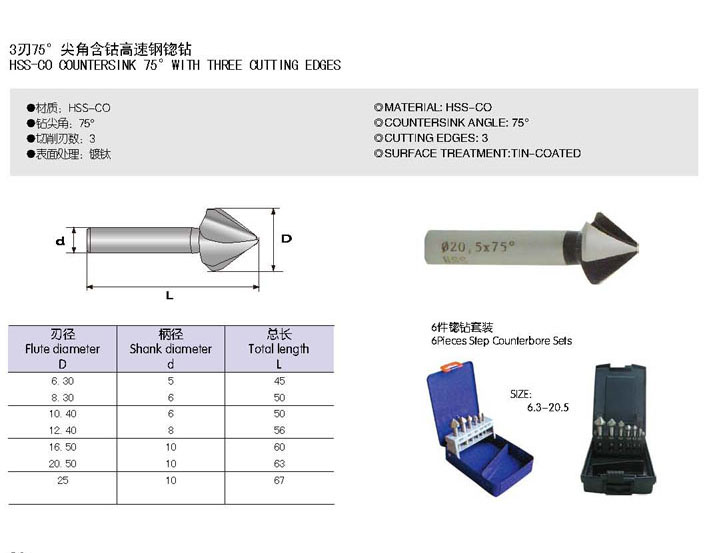
| HSS-Co (M35/M42) | Stainless Steel, Hard Alloys | High | Medium to High |
| Solid Carbide | Cast Iron, Abrasive Materials | Exceptional | High |
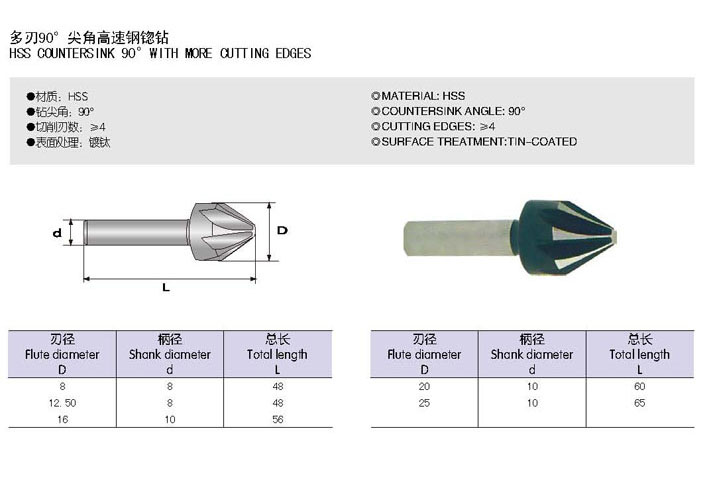
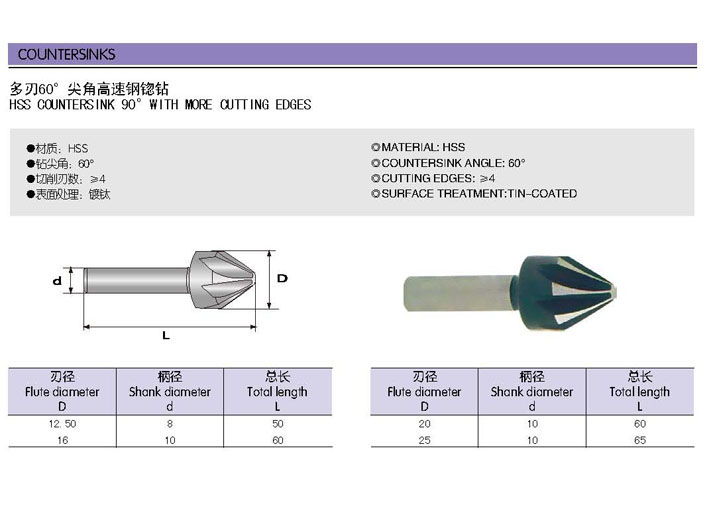
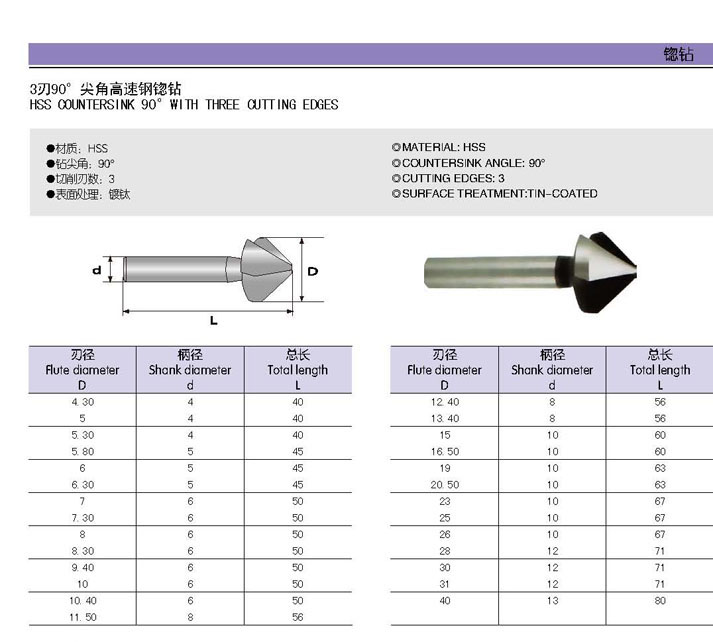
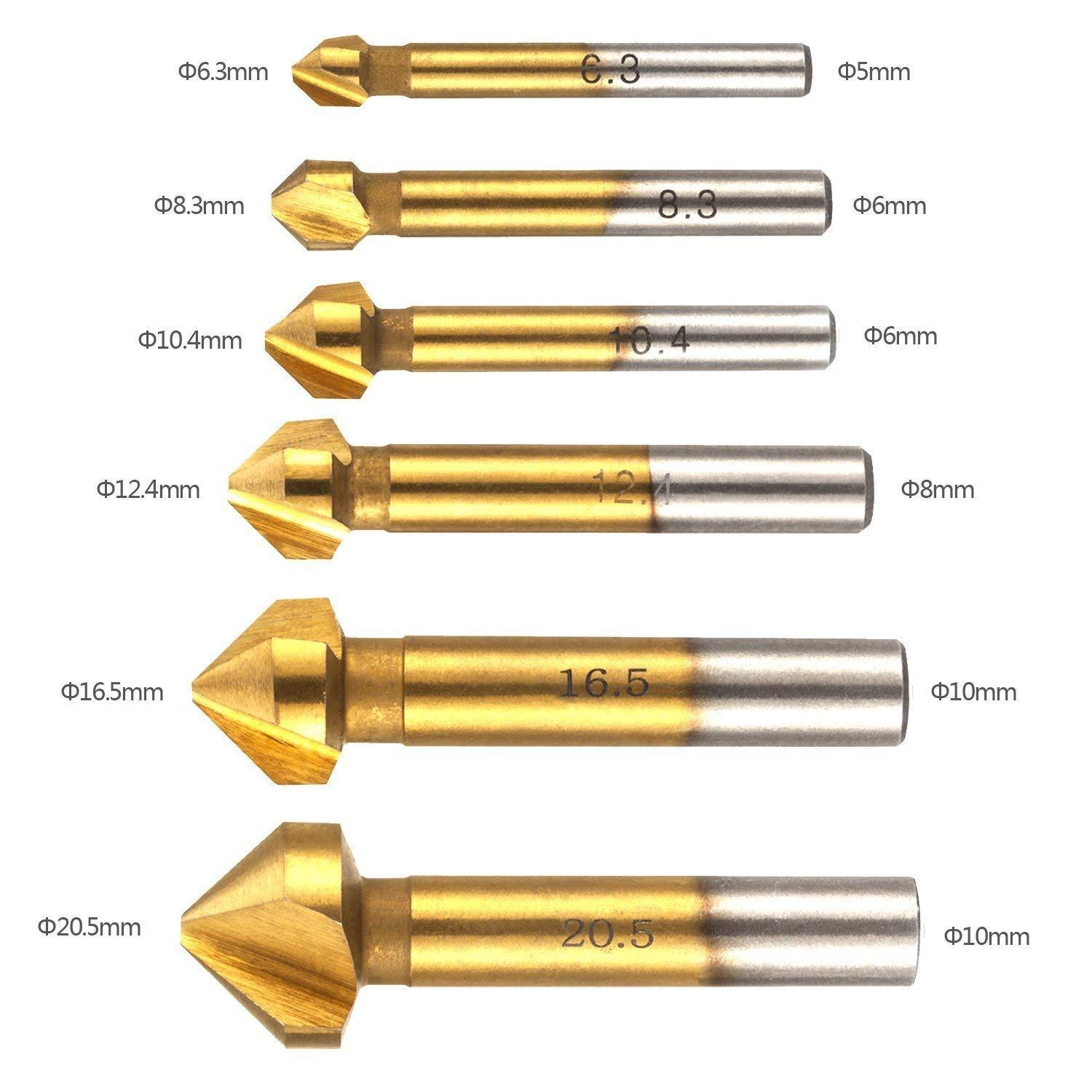
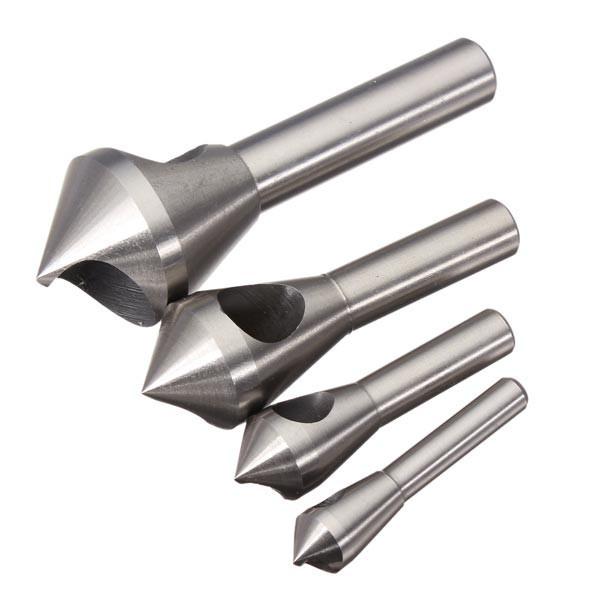
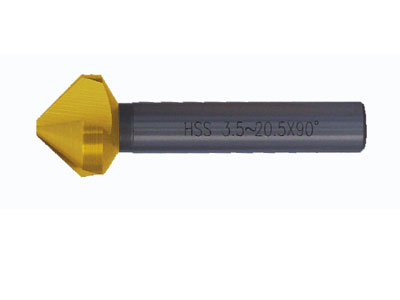
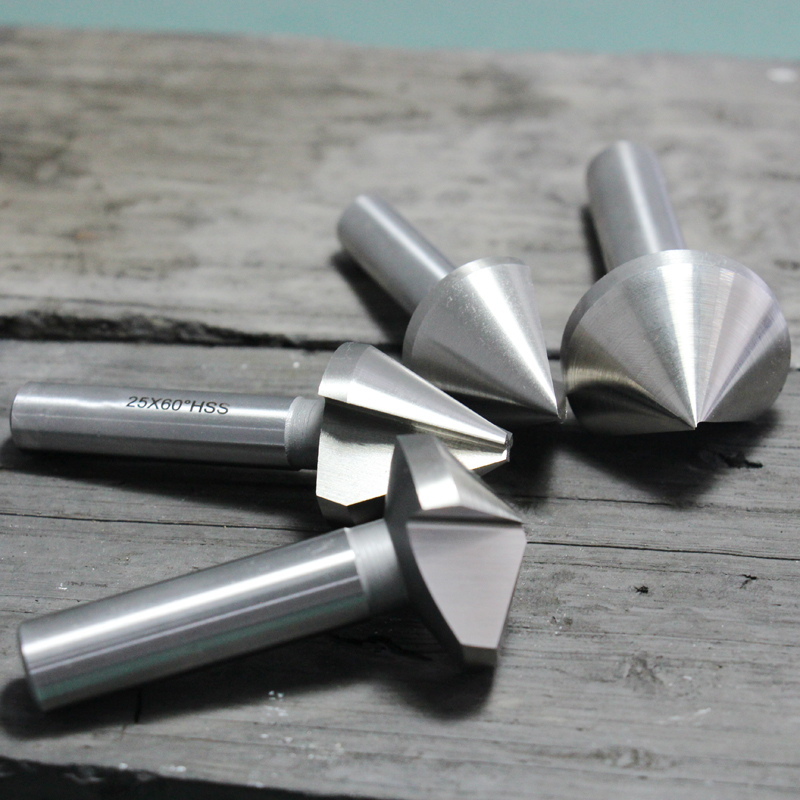
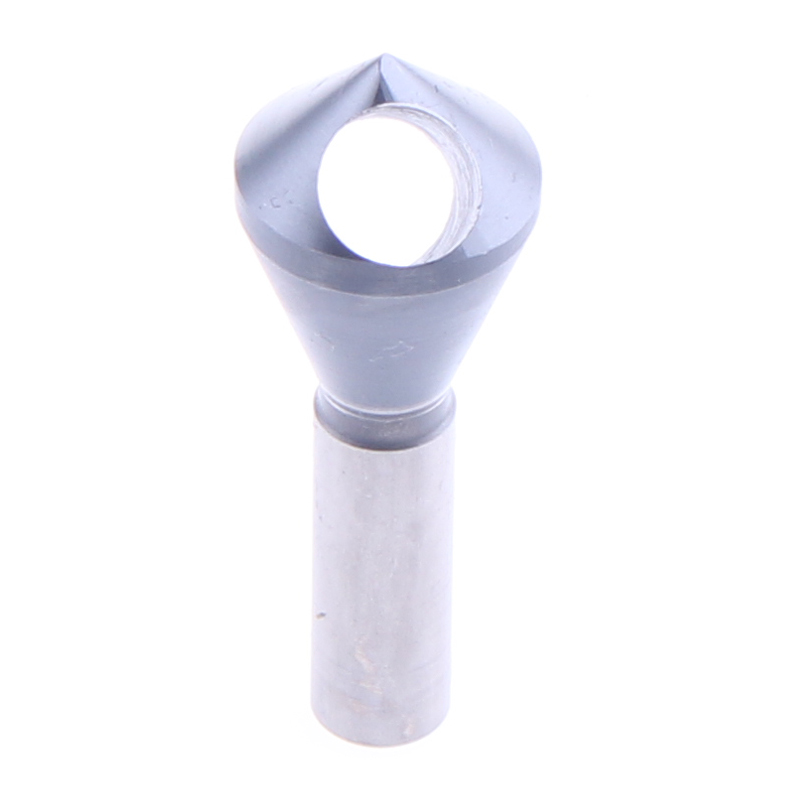
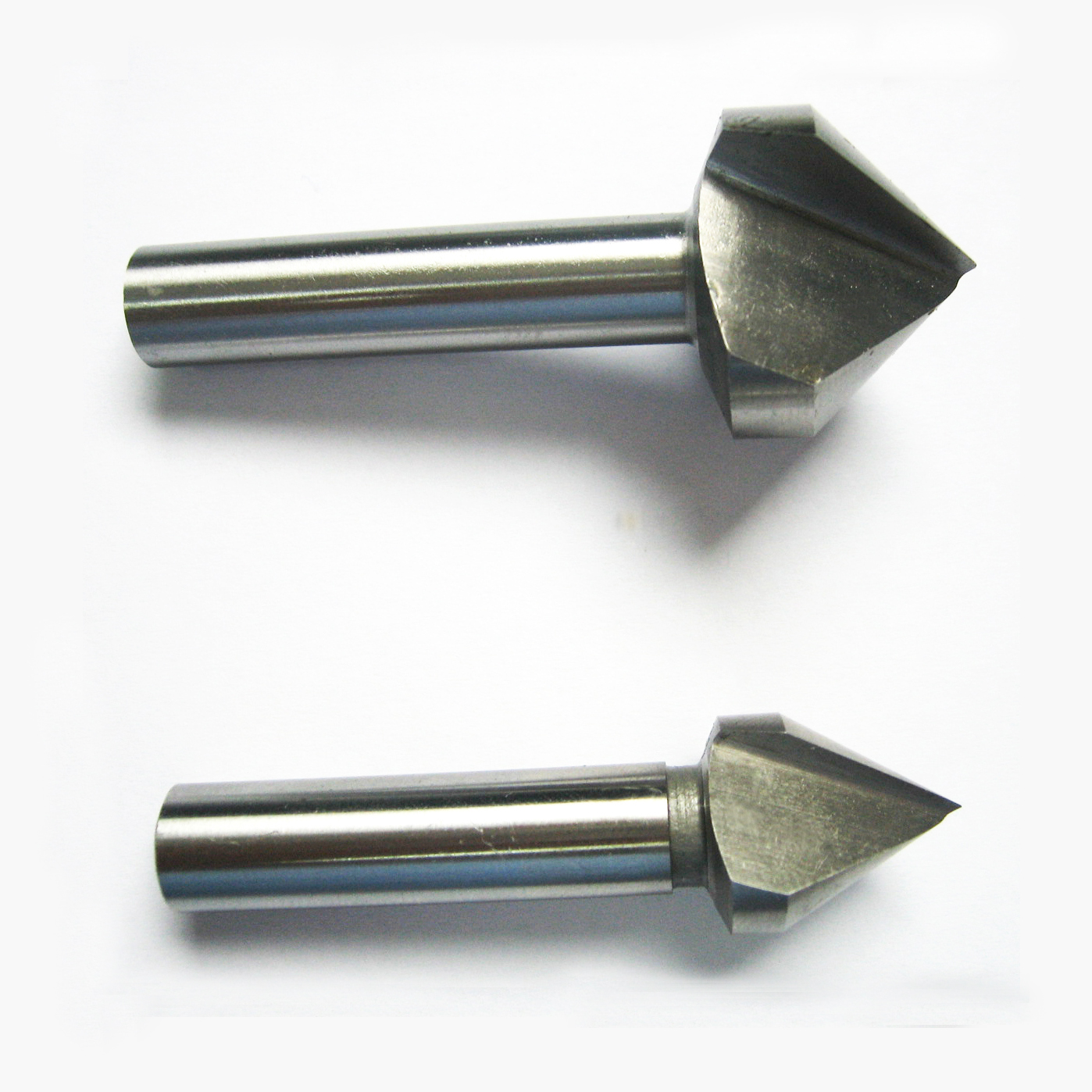
Beyond material, flute geometry dictates the tool's performance. Single-flute designs are excellent for zero-chatter operation in softer materials, while 3-flute and 6-flute designs distribute the cutting load more evenly, making them ideal for harder steels and heavy industrial use. You must also specify the exact cutting angle required for your target market: 82 degrees is standard for unified (US) fasteners, 90 degrees is the ISO metric standard, and 100 degrees is common in aerospace and specific structural applications.
Need help identifying the right factory for high-tolerance cutting tools? Let us handle the supplier vetting and technical negotiations.
Talk to our teamManufacturing Tolerances and Quality Control
The most common defect in mass-produced countersinks is excessive runout. If the cutting edges are not perfectly concentric with the shank, the tool will wobble, causing severe chatter marks on the workpiece and rapid edge degradation. Achieving high concentricity requires multi-axis CNC grinding rather than manual or semi-automatic machining.
When establishing your supply chain, verifying the manufacturer's equipment is essential. Relying on thorough Factory Audits ensures your chosen partner actually possesses the CNC grinding centers and in-house heat treatment facilities required to maintain consistency across large production runs.
Critical Pre-Shipment Inspection Points
- Concentricity and runout tolerance (typically must be under 0.05mm)
- Hardness verification (HRC 60-65 for M2 HSS, HRC 65-68 for Cobalt)
- Cutting edge symmetry and relief angle consistency
- Coating adhesion (if specifying TiN, TiCN, or TiAlN finishes)
- Shank dimensional accuracy for secure chucking
Implementing rigorous Quality Control & Inspection protocols before the goods leave the factory is the only reliable way to prevent defective batches from reaching your warehouse.
Customization and Private Labeling
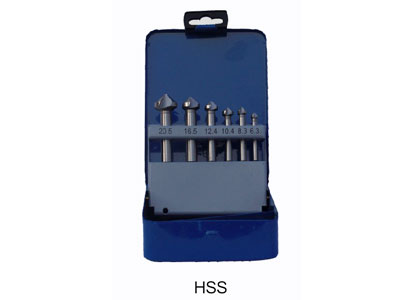
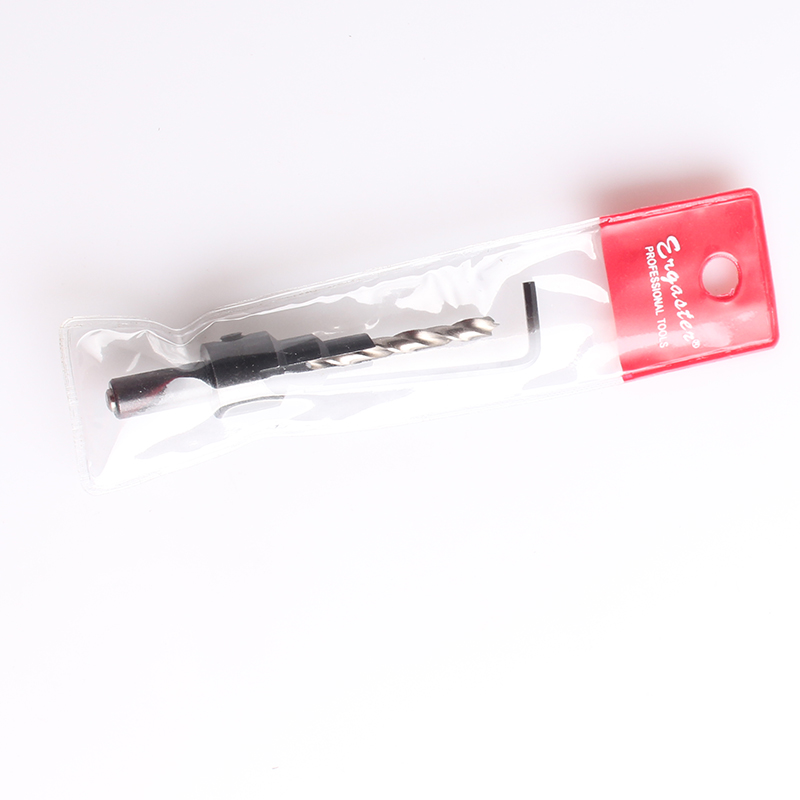
For brands looking to establish their own tool lines, manufacturers offer extensive customization. This goes beyond simple laser etching of your logo on the shank. You can specify custom shank designs (such as 1/4-inch hex shanks for impact drivers, or 3-flat shanks to prevent slipping in drill chucks), specialized PVD coatings to increase lubricity and tool life, and retail-ready packaging like injection-molded clam shells or indexed metal cases. Utilizing professional OEM/ODM Services ensures your exact branding and functional specifications are translated perfectly to the production line.
Pricing, MOQs, and Lead Times
Sourcing directly from manufacturers provides significant unit cost advantages, but requires planning for standard industrial minimum order quantities (MOQs) and production cycles.
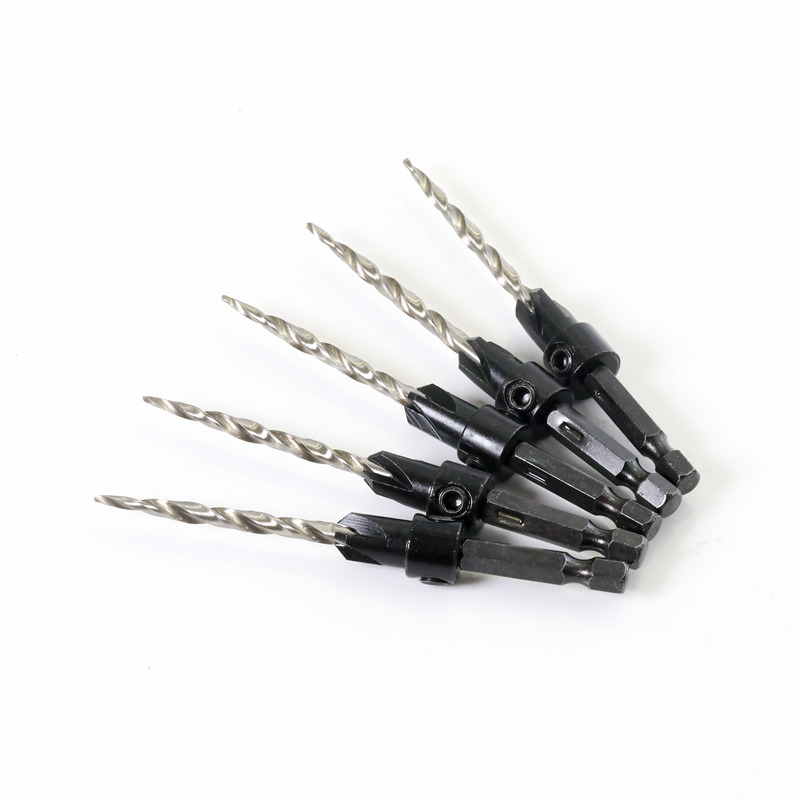
Pricing is highly volatile based on the global cost of raw materials (tungsten, cobalt, molybdenum) and the complexity of the grinding process. Consolidating your orders into sets (e.g., a 5-piece set of varying diameters) can often help meet factory MOQs more efficiently while providing a higher-margin SKU for your catalog.
Ready to optimize your cutting tool supply chain? Contact us to discuss your volume requirements and target pricing.
Get a free consultationFrequently Asked Questions
Navigating the technical requirements and quality risks of sourcing cutting tools requires precise communication and rigorous oversight. Partnering with a specialized sourcing team ensures your specifications are met, your quality is verified, and your supply chain remains resilient.
Get Sourcing Help for Countersink Drills
Tell us your requirements and our experts will connect you with verified manufacturers.