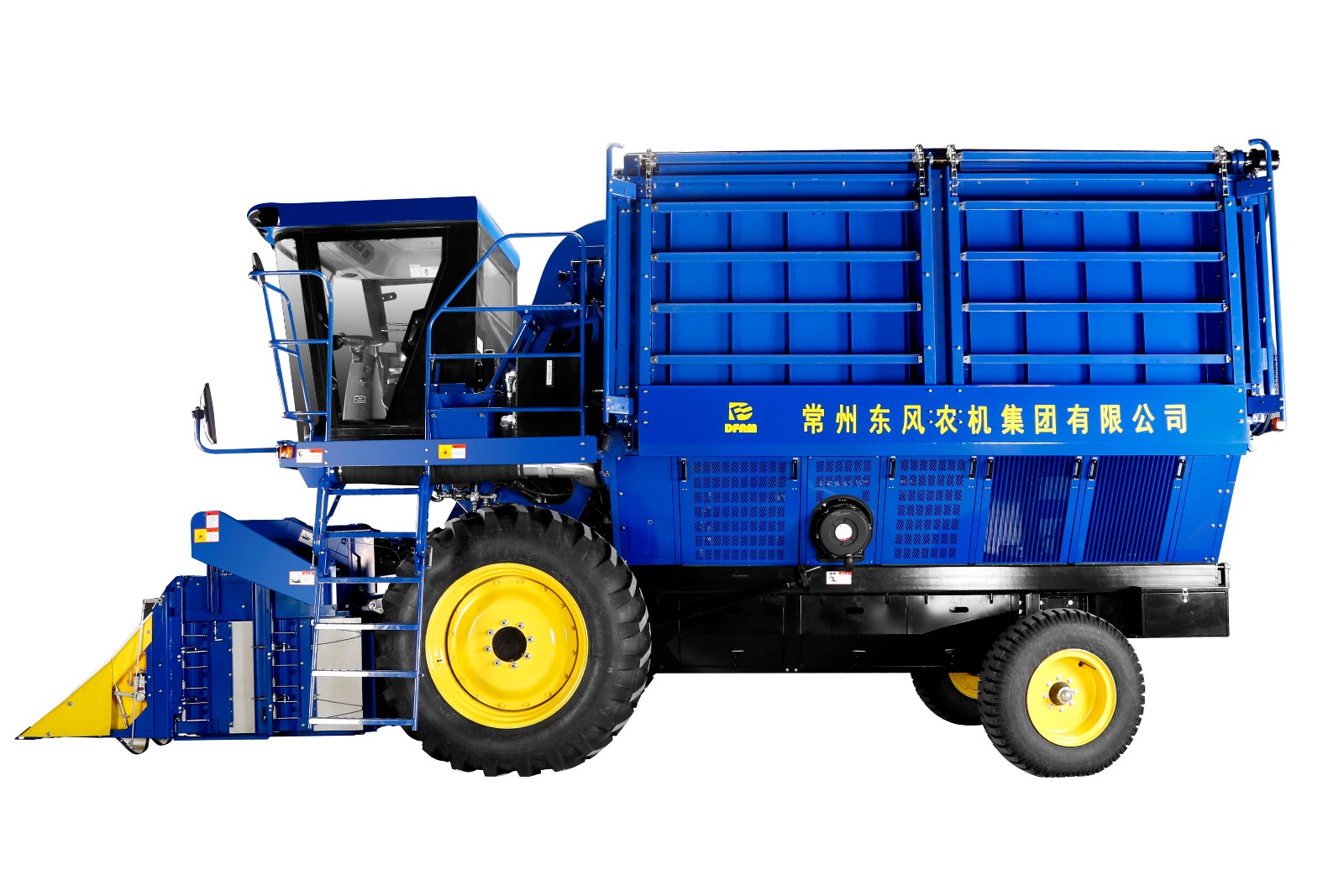
Cotton Pickers
Source high-performance cotton pickers from vetted manufacturers and wholesale suppliers across Asia. Designed for agricultural equipment distributors, importers, and procurement managers, our catalog offers reliable bulk sourcing and custom manufacturing options to meet the demanding requirements of modern mechanized harvesting.
Sourcing industrial-grade cotton pickers requires balancing upfront capital expenditure with long-term reliability in the field. For bulk buyers and equipment distributors, navigating the manufacturer landscape means verifying heavy machinery capabilities, from precision spindle manufacturing to robust hydraulic system integration. Because these are critical assets for end-users, your supply chain must be built on strict quality assurance and verifiable engineering standards.
Key Specifications for Commercial Cotton Pickers
When negotiating with manufacturers, the technical specifications dictate both the field efficiency and the unit cost. You must clearly define the operational parameters to ensure the factory builds a machine suited for your target market's crop yield and terrain.
- Harvesting Technology: Specify whether you need spindle pickers (which extract the seed cotton from the burr) or stripper pickers (which strip the entire boll from the plant). Spindle pickers require higher precision manufacturing for the picking drums.
- Row Configuration: Standard configurations range from 3-row to 6-row units. Wider configurations demand heavier chassis construction and more powerful hydraulic systems.
- Engine Power and Emissions: Engine capacity typically ranges from 150 HP to over 400 HP. Ensure the manufacturer can source and integrate engines that meet your destination market's emission regulations (e.g., EPA Tier 3 or Tier 4 Final).
- Integration: Modern units often feature integrated baling systems (on-board round balers) rather than traditional basket systems, which significantly increases the complexity of the onboard electronics and hydraulics.
| Specification | Standard 3-Row Basket | Premium 6-Row Baler |
|---|---|---|
| Engine Power | 150 - 200 HP | 350 - 450 HP |
| Harvesting Speed | Up to 4 mph | Up to 6 mph |
| Storage System | Steel Basket | Integrated Round Baler |
| Ideal Farm Size | Small to Medium | Large Commercial Operations |
Critical Component Quality and Factory Verification
The core of a spindle cotton picker is the picking drum assembly. The spindles themselves must undergo rigorous heat treatment and hard-chrome plating to withstand highly abrasive field conditions. If the factory cuts corners on metallurgy, the spindles will wear out prematurely, leading to costly downtime for the end-user.
Because heavy agricultural machinery is capital-intensive, conducting thorough factory audits is non-negotiable. You must verify the supplier's machining tolerances, welding automation, and assembly line standards before placing a deposit.
Need reliable partners for heavy agricultural machinery? Let us verify your suppliers and secure your supply chain.
Talk to our teamPre-Shipment Inspection Focus Areas
Do not rely solely on the factory's internal testing. Independent quality control and inspection should focus on several high-risk areas:
Heavy Machinery Inspection Protocol
- Hydraulic System Integrity: Pressure test all lines and check for micro-leaks under sustained load.
- Spindle Bar Alignment: Verify the spacing and rotation synchronization of the picking drums.
- Electronic Diagnostics: Test the CAN bus system, cabin controls, and yield monitoring sensors.
- Weld Quality: Ultrasonic testing on critical chassis stress points and axle mounts.
- Moisture System: Ensure the spindle moisture system distributes fluid evenly without clogging.
Wholesale Pricing, MOQs, and Production Timelines
Cotton pickers are high-value, low-volume imports. Because of the scale and cost of the equipment, Minimum Order Quantities (MOQs) are typically just 1 to 2 units. However, lead times are substantial. Expect production timelines of 60 to 120 days, depending on the availability of imported components like specialized engines or hydraulic pumps.
Pricing is heavily influenced by component origin. A picker built with a domestically sourced engine and basic hydraulics will be significantly cheaper than a unit customized with imported, brand-name drivetrains and integrated baling technology.
Logistics for these machines are complex. They cannot be shipped in standard containers and require specialized shipping and freight solutions, such as flat rack containers or RoRo (Roll-on/Roll-off) vessels. Factoring these specialized freight costs into your landed cost calculations early is essential.
Optimize your machinery sourcing, from factory negotiations to specialized oversized freight.
Get a free consultationFrequently Asked Questions
Successfully importing cotton pickers requires aligning production schedules with your local harvest seasons. Missing a delivery window by even a few weeks can mean missing an entire sales cycle. Securing a reliable manufacturing partner who adheres to strict production timelines and quality standards is the most effective way to protect your investment.
Get Sourcing Help for Cotton Pickers
Tell us your requirements and our experts will connect you with verified manufacturers.