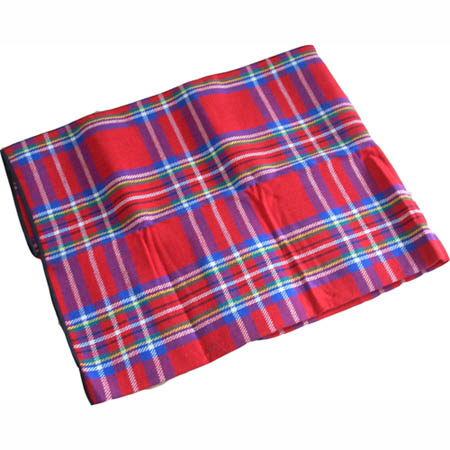
Cotton Fabric
Source premium wholesale Cotton Fabric from vetted manufacturers and suppliers across Asia. Built for importers, distributors, and apparel brands requiring reliable bulk production and custom OEM capabilities, our network delivers consistent quality at scale. Negotiate factory-direct pricing and secure your supply chain today.
Sourcing bulk cotton fabric requires balancing yarn quality with strict finishing tolerances. The primary challenge for volume buyers is maintaining lot-to-lot consistency in weight, hand-feel, and colorfastness across thousands of meters. When you are feeding a continuous manufacturing line, a single inconsistent dye lot or a roll with excessive shrinkage can disrupt your entire production schedule.
Specifying Cotton Fabric for Production
Securing the right fabric starts with a rigid specification sheet. Simply requesting "100% cotton jersey" or "cotton twill" leaves too much room for factory interpretation, often resulting in substituted yarn grades or compromised density.
Professional buyers must define the exact construction parameters:
- Yarn Count: Dictates the fineness of the yarn (e.g., 20s, 32s, 40s). Higher numbers indicate finer yarns.
- Yarn Preparation: Specify whether the cotton should be carded, combed, or ring-spun. Combed cotton removes short fibers for a smoother, stronger finish, while ring-spun offers a softer hand-feel compared to open-end spinning.
- Density (EPI/PPI): Ends per inch and picks per inch define the tightness of the weave.
- Weight (GSM): Grams per square meter. Standard tolerance is typically +/- 5%.
| Specification | Lightweight Apparel | Heavyweight / Workwear |
|---|---|---|
| Typical Yarn Count | 32s to 60s | 10s to 20s |
| Standard GSM | 120 to 160 GSM | 250 to 400+ GSM |
| Common Weaves | Plain, Jersey, Poplin | Twill, Canvas, Drill |
Finishing, Dyeing, and Shrinkage Control
Unfinished cotton fabric can shrink up to 10% after its first wash. To prevent downstream garment distortion, mills must apply proper pre-shrinking treatments (such as sanforization or mercerization).
Dyeing is another critical failure point. Reactive dyes are standard for cotton due to their excellent wash-fastness, but they require precise temperature control and chemical balancing. If a mill cuts corners on the washing cycles after dyeing, the fabric will suffer from poor color rubbing fastness (crocking).
Struggling with inconsistent dye lots or excessive shrinkage? Let us match you with mills that maintain strict finishing tolerances.
Talk to our textile teamQuality Control and Defect Management
Textile manufacturing is inherently prone to minor defects, but managing the acceptable defect rate is what separates successful importers from those facing constant chargebacks.
Evaluating a supplier's capability requires thorough Factory Audits to inspect their loom conditions and yarn storage environments. Once production is underway, relying on the internationally recognized 4-Point System during Quality Control & Inspection ensures that rolls with excessive slubs, mispicks, or holes are rejected before they are loaded into the container.
Critical Pre-Shipment Fabric Checks
- Verify GSM across the center and edges of the roll.
- Check color continuity against the approved lab dip (using a lightbox).
- Test shrinkage tolerances in both warp and weft directions.
- Ensure roll width meets the specified cuttable width.
- Confirm packaging includes sturdy inner tubes and moisture-proof polybags.
For buyers importing into regulated markets, it is also essential to integrate Compliance & Testing to verify that the fabric meets standards like OEKO-TEX Standard 100 or REACH, ensuring no banned azo dyes or heavy metals are present.
Pricing, MOQ, and Production Lead Times
Cotton fabric pricing is highly sensitive to the global commodity index for raw cotton, but manufacturing costs are dictated by the complexity of the weave, the dyeing process, and the order volume.
Ordering greige (unfinished) fabric significantly lowers MOQs and lead times, but custom-dyed or printed cotton requires running minimum vat sizes to remain economical.
Need to negotiate lower MOQs for a custom run or lock in pricing? We can leverage existing mill relationships to optimize your purchasing strategy.
Get a free consultationSecuring a reliable supply of bulk cotton fabric requires moving beyond simple price comparisons. By defining rigorous technical specifications and enforcing strict inspection standards at the mill level, you protect your production line from costly disruptions. When you are ready to stabilize your textile supply chain, professional sourcing support ensures your standards are met on every single roll.
Get Sourcing Help for Cotton Fabric
Tell us your requirements and our experts will connect you with verified manufacturers.