Corn Harvesters
Source high-performance corn harvesters directly from vetted manufacturers and wholesale suppliers. Designed for agricultural machinery importers, regional distributors, and brands requiring OEM production, our network delivers reliable, high-yield harvesting equipment built for demanding field conditions and bulk procurement.
Sourcing heavy agricultural machinery like corn harvesters requires rigorous supplier evaluation. The primary procurement challenge is not simply finding a factory with the right production capacity, but ensuring the mechanical design, hydraulic systems, and transmission components can withstand continuous, heavy-duty operation in harsh field conditions. For importers and distributors, a single catastrophic failure during the harvest window can destroy a brand's reputation. Success requires deep technical alignment with the manufacturer before production begins.
Key Technical Specifications
When negotiating with manufacturers, vague specifications lead to inconsistent performance. Professional buyers must dictate the exact component standards required for their target market.
Engine reliability is paramount. While many Chinese manufacturers offer cost-effective domestic engine brands (such as Weichai or Yuchai), buyers targeting premium markets often specify internationally recognized engines (like Cummins or Perkins) through OEM/ODM services. Beyond the power plant, the header unit's design dictates the machine's efficiency. You must define acceptable parameters for the peeling rate (typically over 85 percent for standard models) and the grain loss rate (which should be strictly under 2 percent).
| Configuration | Typical Rows | Engine Power | Primary Application |
|---|---|---|---|
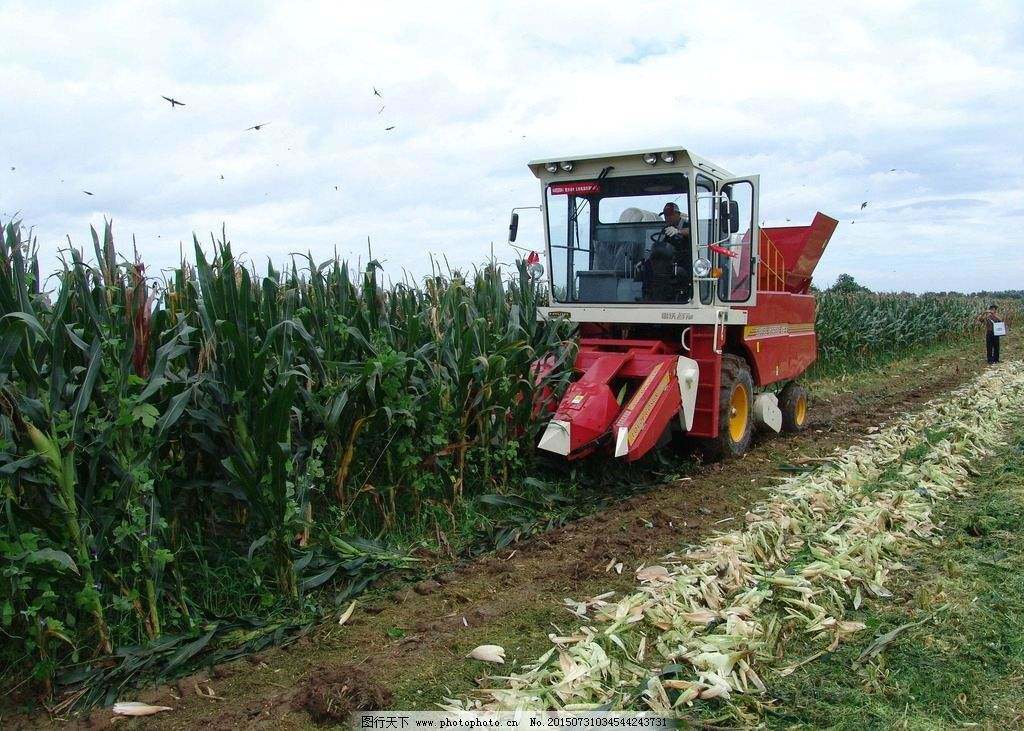
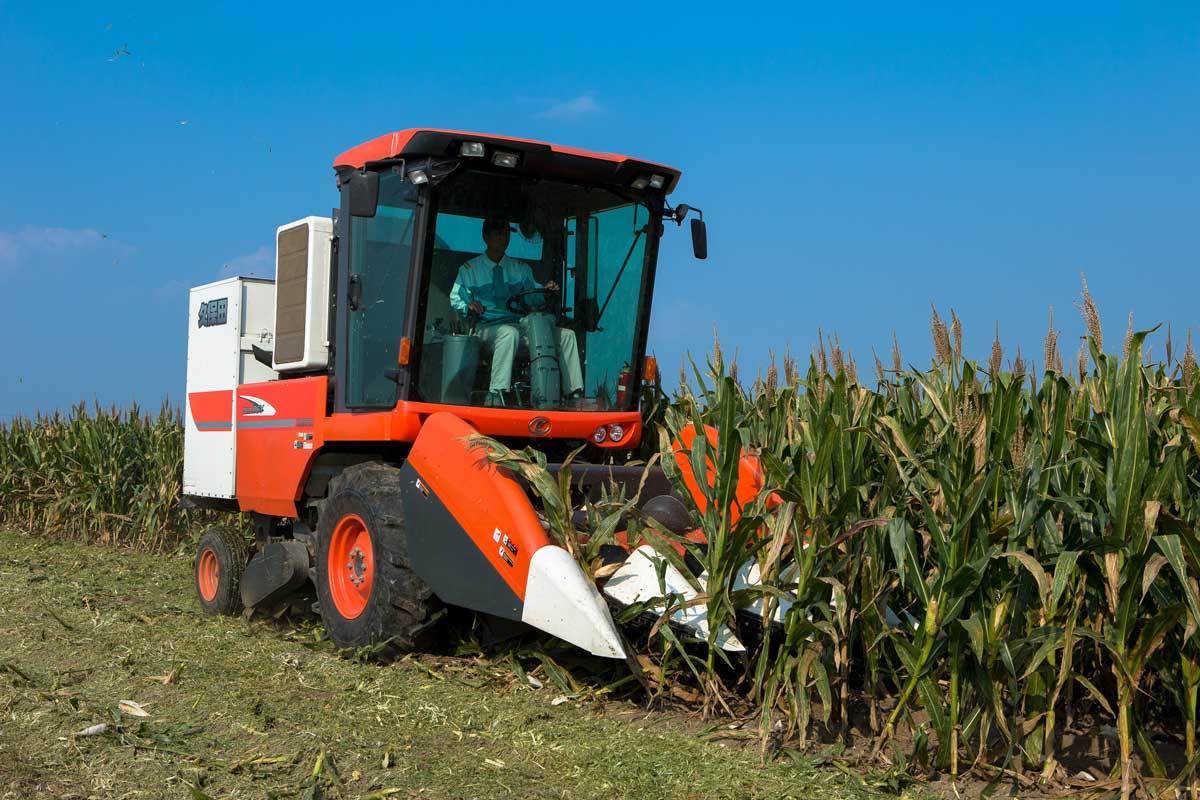
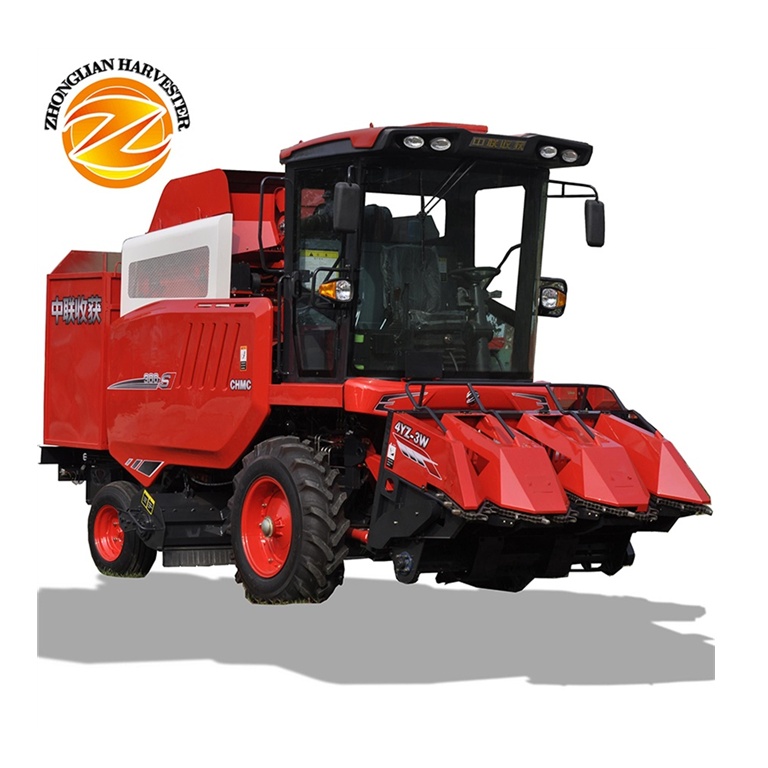
| Self-Propelled | 3 to 6 rows | 100 to 175 HP | Large commercial farms |
| Tractor-Mounted | 2 to 4 rows | Powered by tractor PTO | Mid-sized operations |
| Mini / Walk-Behind | 1 to 2 rows | 8 to 15 HP | Small plots / hilly terrain |
Manufacturing and Quality Control
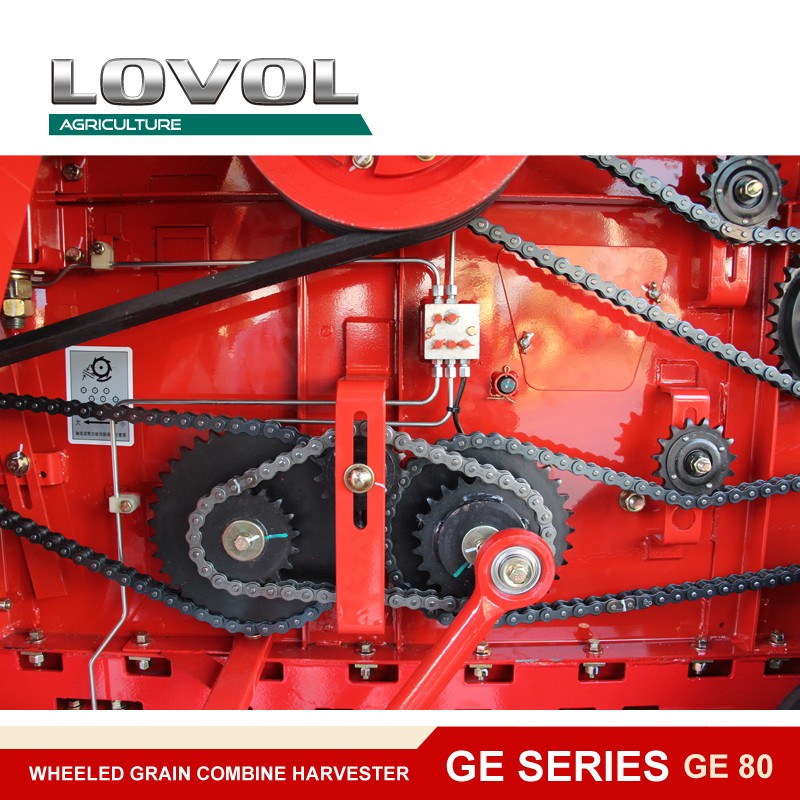
The durability of a corn harvester is won or lost in the fabrication of the chassis and the assembly of the hydraulic systems. Poor welding on the mainframe will lead to structural fatigue under the intense vibration of harvesting. Similarly, substandard hydraulic hoses or seals will inevitably cause pressure drops and fluid leaks in the field.
Because these machines are complex, relying solely on end-of-line inspections is risky. Implementing robust quality control protocols during the assembly phase is critical.
Critical Factory Inspection Points
- Chassis weld integrity and anti-corrosion coating thickness
- Hydraulic pump pressure consistency and leak testing under load
- Header chain tension and peeling roller alignment
- Engine emissions compliance documentation for the destination market
- Transmission gear engagement and clutch responsiveness
Need help verifying a heavy machinery manufacturer? Let's discuss your technical requirements.
Talk to our teamBuying Mechanics: MOQ, Lead Times, and Logistics
Unlike consumer goods, agricultural machinery procurement involves distinct logistical and financial realities. Minimum Order Quantities (MOQs) are generally low, but production lead times and shipping complexities require careful supply chain planning.
Shipping heavy agricultural equipment is a major cost driver. Depending on the size of the harvester, units may be shipped fully assembled via Roll-on/Roll-off (RoRo) vessels, secured on Flat Rack containers, or shipped Semi-Knocked Down (SKD) in standard 40HQ containers to reduce freight costs. SKD shipping requires your destination facility to have the capability to perform final assembly and testing. Coordinating these heavy-freight movements requires specialized shipping and freight expertise to avoid port delays and secure optimal routing.
Optimize your heavy machinery supply chain from factory floor to final destination.
Get a free consultationFrequently Asked Questions
Procuring heavy agricultural machinery in bulk is an investment that requires precise technical oversight and robust logistics planning. By defining strict component standards and verifying production quality at the source, importers can secure reliable, high-yield harvesters that perform consistently in the field.
Get Sourcing Help for Corn Harvesters
Tell us your requirements and our experts will connect you with verified manufacturers.