Corkscrews & Openers
Source premium corkscrews and openers in bulk from vetted manufacturers and suppliers. Designed for importers, wholesalers, and barware brands looking for reliable OEM and private-label production, our network delivers precision-engineered wine tools built for durability and retail success.
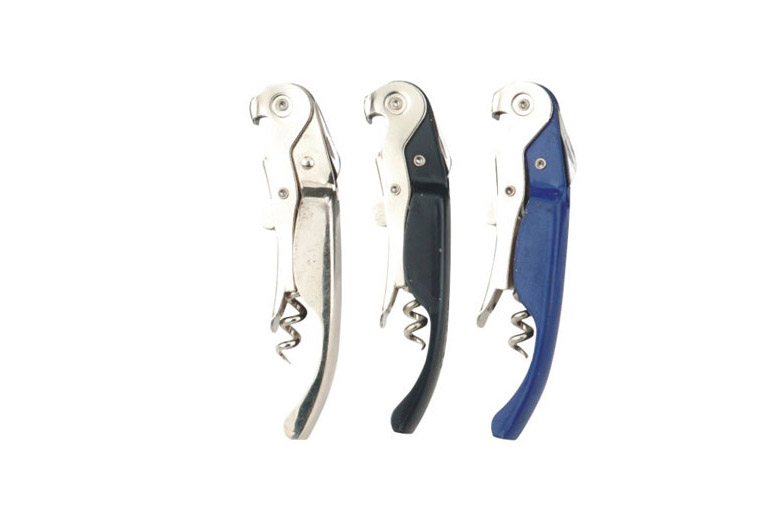
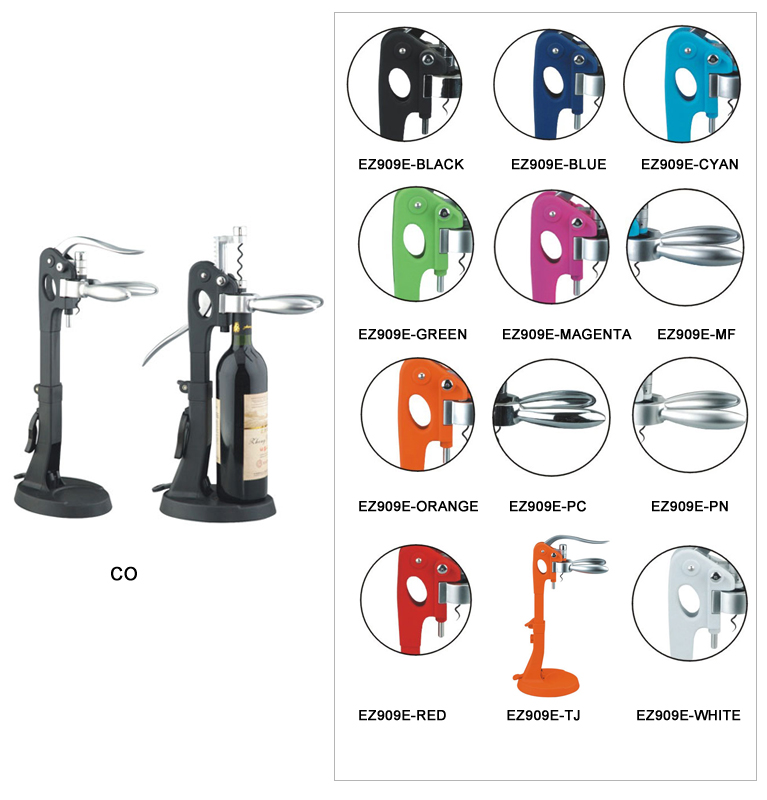
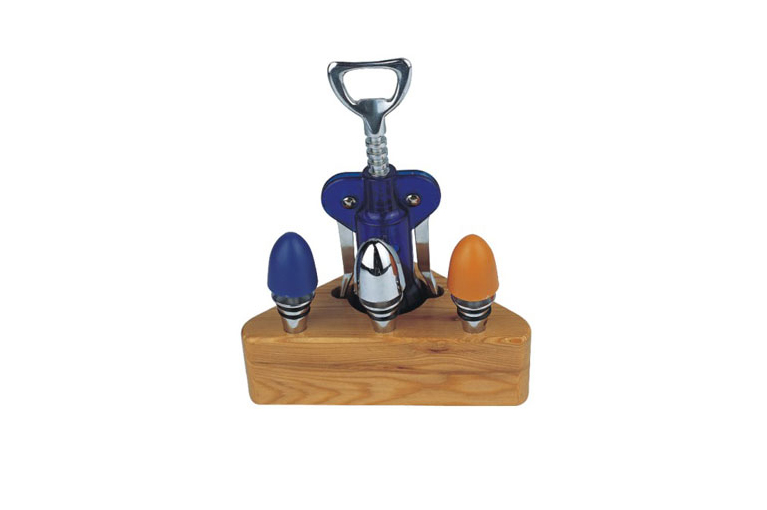
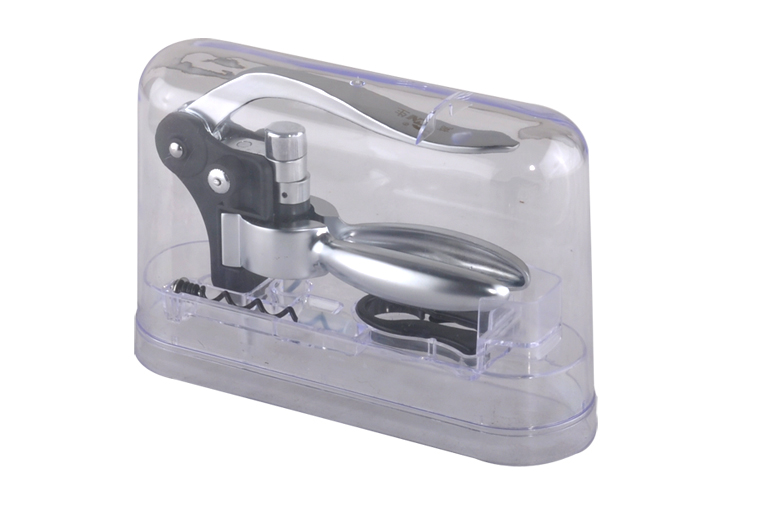
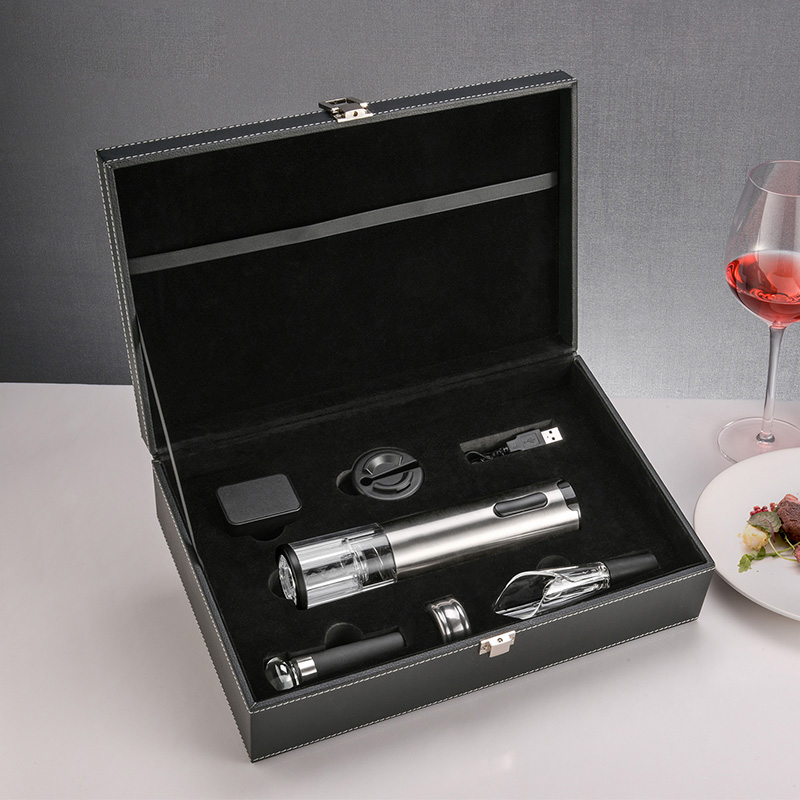
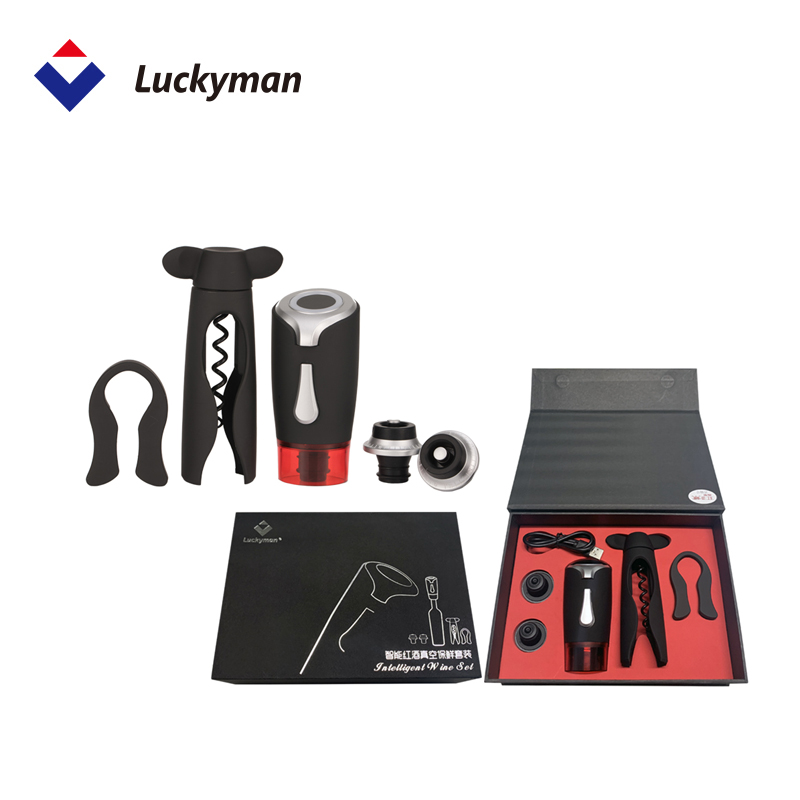
Sourcing commercial-grade and retail-ready corkscrews requires a strict balance between mechanical durability and premium aesthetic finishes. Whether you are importing classic two-step waiter's corkscrews for the hospitality sector or complex lever-style openers for consumer gift sets, factory selection dictates the lifespan of the extraction mechanism and the consistency of the final plating.
Core Specifications & Material Selection
The longevity of any wine opener comes down to the metallurgy of the worm (the spiral) and the structural integrity of the body or leverage mechanism. When negotiating with manufacturers, you must clearly define the material grades. Relying on "stainless steel" as a generic specification often results in lower-grade alloys that bend under extraction torque.
| Specification | Waiter's Corkscrew | Wing Corkscrew | Lever / Rabbit Style |
|---|---|---|---|
| Standard Body Material | 420 Stainless Steel / Wood inlay | Zinc Alloy / ABS Plastic | Heavy-duty Zinc Alloy / Steel |
| Worm Construction | Grooved steel with Teflon (PTFE) | Chrome or Nickel-plated steel | Hardened steel with non-stick coating |
| Primary Mechanical Stress Point | Double-hinge rivet | Rack and pinion gears | Lever axis and internal gear track |
The Importance of the Worm
The worm is the most critical component. A poorly manufactured worm will shred the cork rather than grip it. Specify a grooved worm (which creates more surface area for grip) and ensure the factory uses a high-quality non-stick coating like Teflon to reduce friction. The core wire must be hardened to prevent straightening under high extraction resistance.
Manufacturing Defects & Quality Control
Barware manufacturing involves casting, stamping, polishing, and plating. Inconsistencies at any of these stages lead to high defect rates. Establishing a rigorous Quality Control & Inspection protocol is mandatory before shipment.
Critical QC Checks for Corkscrews
- Rivet Tension: Hinges on waiter's corkscrews must not be too loose (causing instability) or too tight (requiring excessive force to open).
- Plating Adhesion: Conduct cross-cut adhesion tests to ensure chrome or copper plating won't flake off during use.
- Gear Alignment: For wing and lever openers, gears must mesh smoothly without binding or skipping teeth under load.
- Worm Sharpness: The tip must be precisely milled to pierce the cork cleanly without pushing it down into the bottle.
- Foil Cutter Function: Serrated blades must be sharp and properly aligned to track the lip of the bottle.
Struggling with inconsistent plating or stripped gears in your barware shipments? Let's audit your supply chain and tighten your QC tolerances.
Talk to our teamOEM/ODM and Customization
For brands looking to differentiate, custom bar tools offer excellent margins. Modifying an existing factory mold (ODM) is the most cost-effective route, typically involving custom laser engraving, unique handle materials (like olive wood or resin), or specialized PVD coatings (matte black, rose gold).
If you are developing a completely proprietary mechanism or ergonomic shape, you will need full OEM/ODM Services to handle the 3D modeling, prototyping, and custom zinc-alloy mold creation. Additionally, because corkscrews are highly giftable items, partnering with a supplier that can execute complex Branding & Design for premium presentation boxes is a significant advantage.
Pricing, MOQs, and Lead Times
Volume manufacturing in the barware sector is heavily dependent on the level of customization. Off-the-shelf designs with simple branding require minimal setup, while custom molds require significant upfront investment in tooling.
Tooling Costs
When requesting custom lever or wing openers, expect zinc-alloy die-casting molds to cost anywhere from $1,500 to $4,000 depending on complexity. Ensure your supplier agreement explicitly states that you own the mold after production.
Need accurate pricing, tooling estimates, and MOQ thresholds for your specific opener design?
Get a free consultationBuyer FAQ
Sourcing reliable corkscrews and openers at scale is an exercise in mechanical precision and finish quality. By defining strict material tolerances and enforcing rigorous pre-shipment inspections, buyers can avoid the common pitfalls of stripped gears and flaking finishes, ensuring a product that performs flawlessly in the hands of the end user.
Get Sourcing Help for Corkscrews & Openers
Tell us your requirements and our experts will connect you with verified manufacturers.