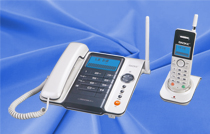
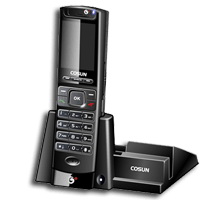
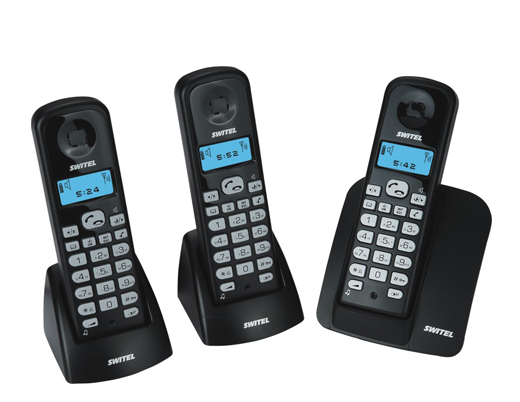
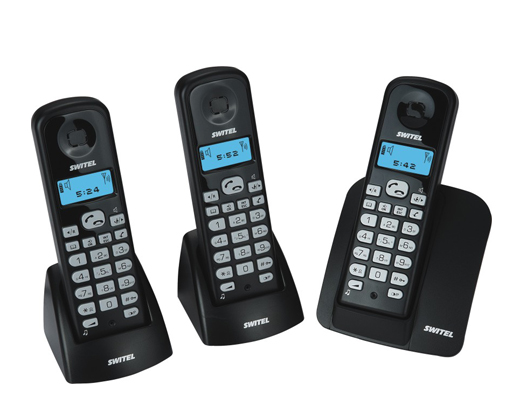
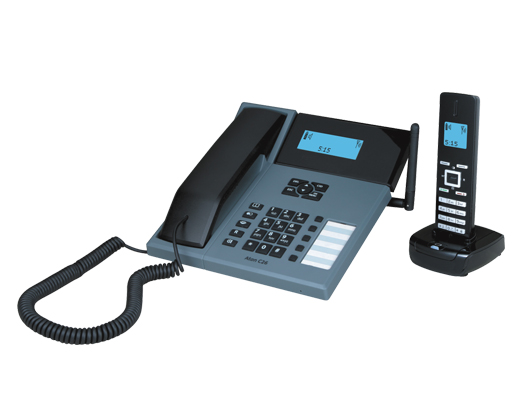
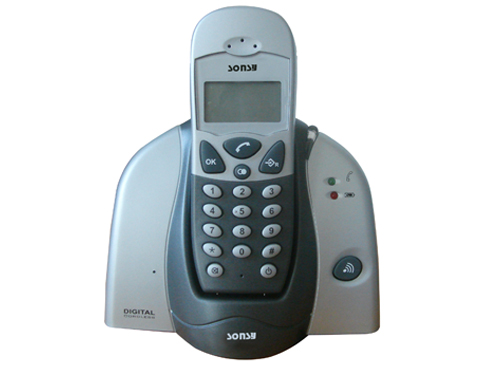
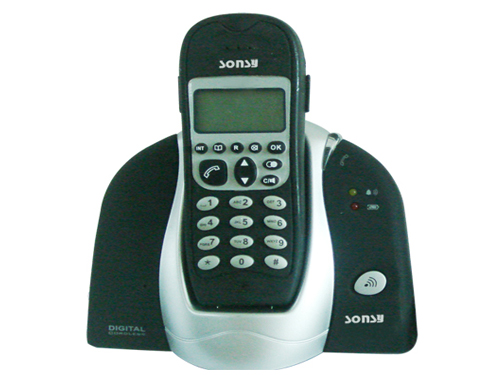
Cordless Telephones
Source high-quality cordless telephones from vetted manufacturers and suppliers across Asia. Built for telecommunications distributors, wholesalers, and brands seeking OEM or private-label production, our network delivers reliable DECT technology, scalable bulk pricing, and strict regulatory compliance.
Sourcing cordless telephones requires strict adherence to regional radio frequency regulations and a zero-tolerance approach to acoustic defects. Whether you are distributing standard residential units or developing specialized enterprise handsets, navigating the manufacturing landscape requires verifying RF capabilities, PCB assembly standards, and battery safety protocols. The core challenge lies in balancing unit costs with the technical demands of clear audio, reliable range, and regulatory compliance.
Defining Technical Specifications and Standards
Before approaching a manufacturer, your specifications must align with the target market's telecommunications infrastructure and frequency allocations. The most critical decision is the DECT (Digital Enhanced Cordless Telecommunications) standard, which varies globally. Specifying the wrong frequency band will result in illegal products and customs seizures.
| Market / Standard | Frequency Band | Typical Range (Indoor) | Primary Application |
|---|---|---|---|
| DECT 6.0 (North America) | 1.92 - 1.93 GHz | 50 meters | US/Canada Residential & SMB |
| DECT (Europe/Asia) | 1.88 - 1.90 GHz | 50 meters | EU/APAC Standard Telephony |
| 2.4 GHz / 5.8 GHz | ISM Bands | Varies due to interference | Legacy systems, niche applications |
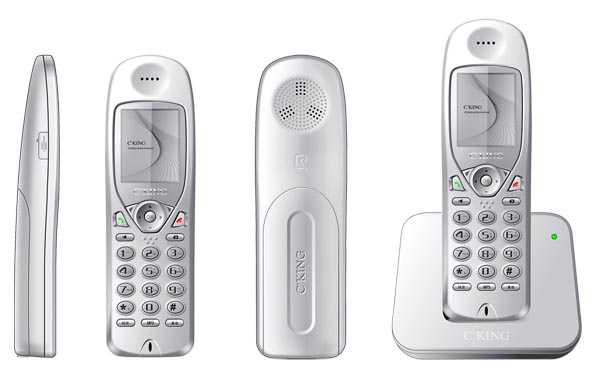
Beyond frequency, buyers must define the system architecture. Specify the maximum number of expandable handsets per base station, the intercom capabilities, and the answering machine memory (typically stored on flash memory, measured in minutes of recording time). Battery chemistry is also a major cost driver; while standard AAA NiMH batteries are common for cost-effective residential models, premium enterprise or ruggedized models often utilize custom Li-ion packs for extended talk time.
Need help finalizing your technical requirements? Our engineering team can help you validate your OEM/ODM cordless phone specifications for your target market.
Discuss your product specsManufacturing Tolerances and Quality Control
The reliability of a cordless telephone is determined on the factory floor during PCB assembly (PCBA) and final acoustic tuning. Poorly calibrated RF modules lead to static, dropped calls, and reduced range. When evaluating a factory, you must look beyond assembly lines and assess their testing infrastructure.
Implementing robust Quality Control & Inspection protocols is essential to catch defects before shipping.
Critical Factory-Level Inspections
- RF Tuning Calibration: Verifying transmission power and receiver sensitivity using spectrum analyzers.
- Acoustic Testing: Measuring Total Harmonic Distortion (THD) and echo cancellation performance in specialized sound booths.
- Drop & Durability Testing: Ensuring handsets survive standard 1.5-meter drop tests onto concrete.
- Keypad Actuation: Life-cycle testing of silicone or membrane keypads to guarantee millions of presses.
- Battery Charge/Discharge Cycles: Verifying power management ICs to prevent overcharging and thermal issues.
Customization and OEM/ODM Production
For brands looking to differentiate, off-the-shelf "white label" models offer a fast route to market, but custom OEM/ODM Services allow for deeper market penetration. Customization often involves modifying the firmware for specific UI/UX requirements, altering the industrial design (ID) for ergonomic preferences, or adding specialized features like large-button interfaces for seniors, hearing aid compatibility (HAC), or ruggedized housings for industrial use.
When developing a custom model, tooling costs for new plastic injection molds will apply. However, many factories offer "semi-custom" options where the external housing remains standard, but the internal firmware, display colors, and keypad layouts are tailored to your brand.
Compliance, MOQs, and Production Realities
Telecommunications equipment is heavily regulated. In the US, cordless phones must pass FCC Part 15 (RF emissions) and Part 68 (network connection) testing. In Europe, CE marking (including the Radio Equipment Directive - RED) is mandatory. Relying on a factory's existing certificates is risky; always verify that the specific model and component combination you are buying has valid, up-to-date test reports. Partnering with experts for Compliance & Testing ensures your shipment won't be blocked at the border.
Frequently Asked Questions
Successfully importing cordless telephones requires more than just negotiating a unit price; it demands rigorous technical validation, compliance verification, and proactive quality management on the factory floor. By controlling the specifications and auditing the production process, you can secure reliable hardware that protects your brand's reputation.
Ready to source reliable cordless telephones? Connect with our experts to discuss supplier vetting, pricing, and end-to-end supply chain management.
Talk to our sourcing teamGet Sourcing Help for Cordless Telephones
Tell us your requirements and our experts will connect you with verified manufacturers.