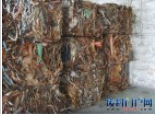
Copper Scrap
Source high-purity Copper Scrap in bulk from thoroughly vetted suppliers and industrial recycling facilities. Designed for foundries, metallurgical plants, and wholesale distributors, this category provides reliable access to standard ISRI grades like Millberry, Berry, and Birch for large-scale smelting and manufacturing operations.
Sourcing bulk copper scrap requires navigating a highly volatile, heavily traded, and notoriously high-risk market. Because copper is a high-value commodity, the scrap trade is rife with supplier misrepresentation, grade inflation, and outright fraud. Securing a reliable supply chain means moving beyond spot-market gambling and establishing rigorous supplier vetting, strict grade verification, and airtight logistics.
For foundries and industrial buyers, the true cost of copper scrap isn't just the per-ton price—it is the final melt yield. Contamination, excessive moisture, and mixed alloys directly impact your operational efficiency and bottom line.
Understanding ISRI Grades and Purity Specifications
Scrap copper is standardized globally using guidelines set by the Institute of Scrap Recycling Industries (ISRI). Specifying the exact ISRI code in your purchase contracts is non-negotiable, as it dictates the allowable impurities and expected copper recovery.
| ISRI Code / Grade | Target Cu Purity | Material Characteristics |
|---|---|---|
| Millberry (No. 1 Wire) | 99.9% min | Bare, uncoated, unalloyed copper wire. Free of burnt wire, brittle wire, and ash. |
| Berry (No. 1 Copper) | 99.0% min | Clean, unalloyed copper clippings, punchings, bus bars, and clean pipe. |
| Birch (No. 2 Copper) | 94.0% min | Unalloyed copper wire/pipe with minor impurities like solder, light tin coating, or burnt wire. |
| Candy (Heavy Copper) | 98.0% min | Heavy unalloyed copper solids, minimum 1/16 inch thick, free of ash and insulation. |
When negotiating with overseas scrap yards, ensure they sort and process material to these exact definitions. A common failure point in international sourcing is receiving a mixed container where Birch-grade material is hidden beneath a top layer of Millberry.
Tired of dealing with unreliable scrap suppliers? Let us secure your supply chain with thoroughly vetted industrial recycling partners.
Talk to our teamQuality Control and Contamination Risks
Quality in the scrap metal industry is won or lost during the sorting and loading phases at the supplier's yard. Relying solely on a supplier's word for grade and weight is a critical error. Implementing independent Quality Control & Inspection prior to container sealing is the only way to protect your capital.
Critical Pre-Shipment Inspection Points for Copper Scrap
- Visual sorting verification: Ensure the load matches the contracted ISRI grade without hidden lower-grade material.
- Moisture content analysis: Scrap stored outdoors can retain significant water, artificially inflating the container weight. Target moisture should be under 1 percent.
- Contamination checks: Inspect for excessive brass fittings, aluminum wire, iron attachments, lead, or heavy oil/grease.
- Radiation screening: Verify the scrap has passed through portal monitors to ensure it is free of radioactive contamination.
- Weight verification: Cross-reference the supplier's weighbridge tickets with independent draft surveys or certified third-party scales.
Navigating Supplier Legitimacy in a High-Risk Market
The global scrap market attracts bad actors, ranging from shell companies offering prices suspiciously below the London Metal Exchange (LME) rate, to yards that lack the export licenses required by their local governments.
Thorough Factory Audits of the physical scrap yard are essential. You must verify that the supplier actually holds the inventory they are selling, possesses industrial-scale sorting and baling equipment, and maintains the necessary environmental and export permits. Merhein's Product Sourcing teams systematically eliminate brokers and unverified entities, connecting you directly with established, asset-backed recycling operations.
Pricing Structures, MOQs, and Logistics
Copper scrap pricing is entirely dynamic, moving daily with the LME copper spot price. Suppliers typically quote scrap as a percentage of the LME price (e.g., "LME less 5 percent" or a specific discount per metric ton) depending on the grade and current market demand.
Logistics for heavy scrap require specialized handling. Because copper is extremely dense, 20-foot containers are exclusively used to prevent maxing out weight limits before the container is full. Furthermore, customs regulations for importing scrap metal are stringent globally; environmental agencies often require specific pre-import declarations and strict adherence to contamination limits. Utilizing experienced Shipping & Freight coordination ensures your cargo doesn't get impounded at the destination port due to improper documentation.
Need reliable volume and transparent LME-pegged pricing? We manage the vetting, inspection, and logistics for bulk copper scrap imports.
Get a free consultationFrequently Asked Questions
Securing a steady, high-quality supply of copper scrap requires vigilance at every step, from verifying the physical yard to inspecting the material as it is loaded into the container. By treating scrap procurement with the same rigorous quality control as precision manufacturing, buyers can protect their yields and avoid the costly pitfalls of the global secondary metals market.
Get Sourcing Help for Copper Scrap
Tell us your requirements and our experts will connect you with verified manufacturers.