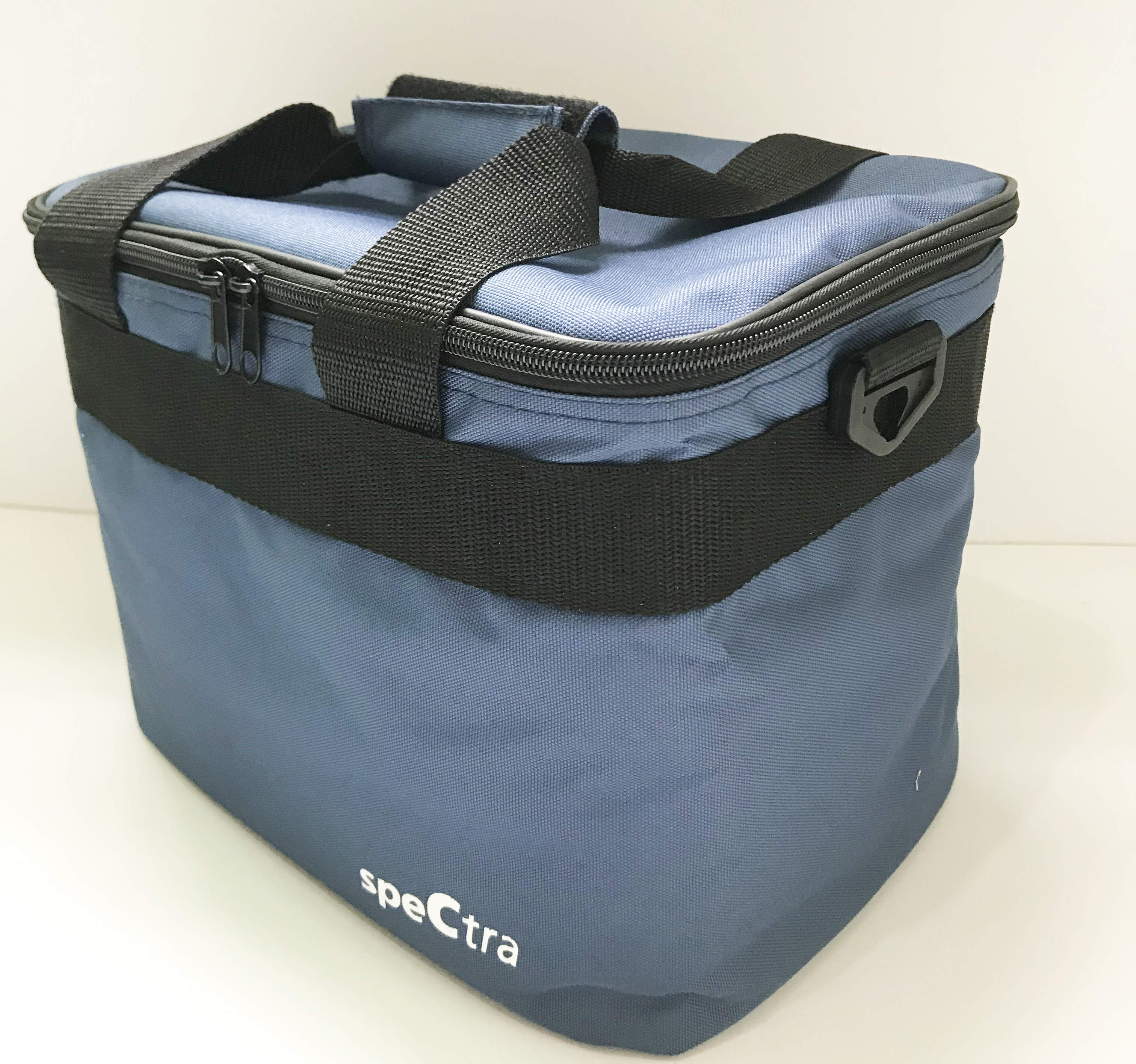
Cooler Bags
Source premium cooler bags from vetted suppliers and manufacturers across Asia. Designed for importers, wholesalers, and brands seeking reliable OEM and private-label production, our network delivers scalable manufacturing for high-performance soft coolers and insulated bags.
Sourcing commercial-grade cooler bags in volume requires a precise balance of thermal performance, durability, and unit economics. The primary manufacturing challenge is aligning your product specifications with the right factory capabilities—especially when transitioning from standard promotional cut-and-sew bags to premium, high-frequency welded soft coolers that demand specialized tooling and rigorous leak testing.
Material Architecture and Construction Specs
A cooler bag's performance relies on a strict three-layer architecture: the outer shell, the insulation core, and the inner liner. Specifying the correct materials for each layer dictates both ice retention metrics and overall production costs.
- Outer Shell: Standard bags utilize 600D or 900D Oxford polyester with a PU coating for basic water resistance. Premium models require TPU (Thermoplastic Polyurethane) coated nylon or PVC Tarpaulin, which allows for radio-frequency (RF) welding and provides extreme abrasion resistance.
- Insulation Core: EPE (Expanded Polyethylene) foam is standard for budget to mid-tier bags, typically specified between 5mm and 10mm. High-end soft coolers utilize high-density NBR (Nitrile Butadiene Rubber) or EVA (Ethylene-Vinyl Acetate) foam, often exceeding 20mm in thickness, to achieve multi-day ice retention.
- Inner Liner: PEVA is the industry standard for sewn bags due to its cost-effectiveness and food-safe properties. Welded coolers require food-grade TPU liners that can be seamlessly bonded to the shell, eliminating stitching holes where bacteria and water can penetrate.
| Construction Type | Typical Shell | Insulation | Waterproofing |
|---|---|---|---|
| Standard Cut-and-Sew | 600D Oxford Polyester | 5-8mm EPE Foam | Water-resistant (leaks if inverted) |
| Premium RF Welded | 840D TPU-Coated Nylon | 20mm+ NBR / EVA Foam | 100% Waterproof & Airtight |
Need help identifying factories with advanced high-frequency welding capabilities? We can match your technical specs to the right manufacturer.
Talk to our teamManufacturing Tolerances and Quality Control
Factories producing high-end cooler bags must maintain strict tolerances during assembly. The shift from sewing to welding is a significant leap in manufacturing complexity. Poor seam sealing or inadequate zipper installation will compromise ice retention and lead to immediate structural failures in the field.
Before committing to a supplier, conducting comprehensive Factory Audits is critical to verify their high-frequency welding machinery, worker expertise, and in-house testing protocols.
During production, implementing strict Quality Control & Inspection is non-negotiable. Inspectors should focus on the integrity of the waterproof barriers and hardware durability.
Critical QC Checkpoints for Cooler Bags
- Inversion Leak Testing: Fill the bag with water, zip closed, and invert for 10 minutes to check for liner or zipper leaks.
- Zipper Cycle Testing: Minimum 500 open/close cycles under tension, specifically for airtight PU-coated zippers.
- Seam Peel Strength: Testing the tensile strength of RF welded seams to ensure they withstand maximum load capacity.
- Material Compliance: Verifying FDA, LFGB, or REACH compliance for inner liners to ensure food safety.
- Strap and Handle Load Testing: Suspended weight tests exceeding the bag's maximum volumetric capacity by 50 percent.
MOQs, Lead Times, and Pricing Dynamics
Cooler bag production scales efficiently, but minimum order quantities (MOQs) and lead times are heavily influenced by custom fabric dyeing, specialized hardware, and tooling requirements. If you are utilizing OEM/ODM Services to develop custom molds for EVA bases or proprietary TPU shells, expect higher initial capital outlays and longer development timelines.
Fabric mills often require a minimum of 1,000 to 1,500 yards for custom Pantone-matched TPU or Tarpaulin, which directly dictates the factory's MOQ for the finished bags. To optimize pricing, experienced buyers often consolidate orders around stock fabric colors while customizing the branding, zipper pulls, and molded bases.
Navigating tooling costs and MOQs for custom cooler bags? Let us negotiate terms that protect your margins and production schedule.
Get a free consultationFrequently Asked Questions
Securing a reliable supply chain for cooler bags means looking beyond the initial sample and validating the factory's long-term consistency in assembly, welding, and material compliance. A well-executed sourcing strategy minimizes defect rates, ensures thermal performance, and protects your brand's reputation in the field.
Get Sourcing Help for Cooler Bags
Tell us your requirements and our experts will connect you with verified manufacturers.