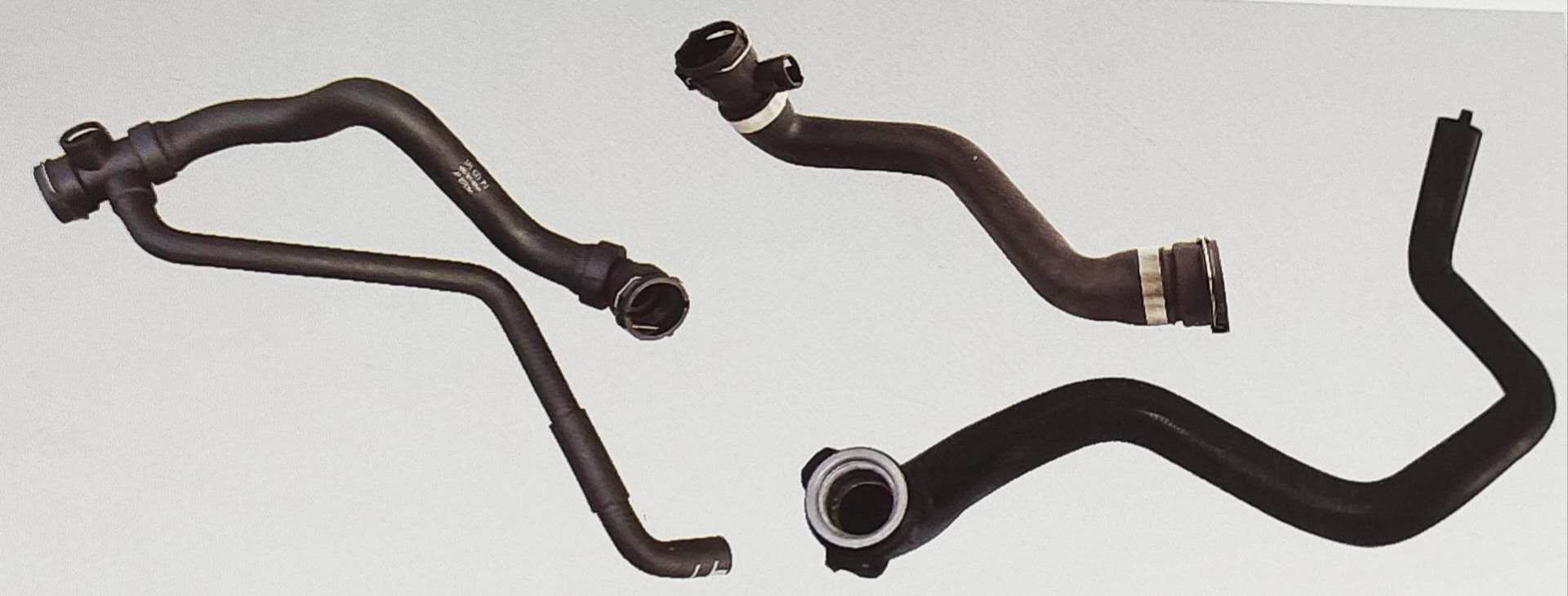
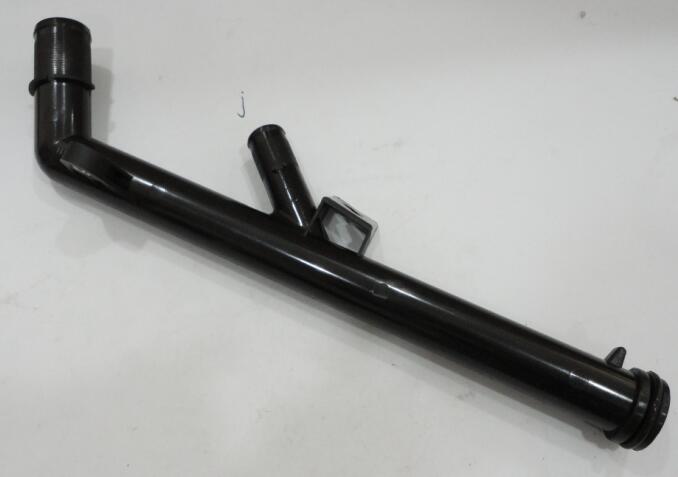
Coolant Hoses
Source high-quality coolant hoses from vetted manufacturers and wholesale suppliers. Designed for automotive parts importers, distributors, and brands requiring reliable OEM and aftermarket production. Secure competitive bulk pricing and stringent quality control for your entire cooling system supply chain.
Sourcing automotive coolant hoses at volume requires balancing thermal resilience, burst pressure requirements, and unit economics. Whether you are supplying the heavy-duty commercial aftermarket or developing performance silicone kits, securing a manufacturer capable of consistent extrusion and precise mandrel-forming is critical to avoiding catastrophic field failures.
Material Selection and Core Specifications
The base elastomer and reinforcement fabric dictate the hose's working temperature, pressure rating, and resistance to electrochemical degradation (ECD). Specifying the correct compound is the first step in aligning your product with its intended market tier.
| Material | Operating Temp | Typical Reinforcement | Primary Application |
|---|---|---|---|
| Standard EPDM | Up to 125C | Polyester / Rayon | Standard Aftermarket Replacement |
| ECD-Resistant EPDM | Up to 135C | Aramid / Kevlar | Modern OEM Radiator / Heater |
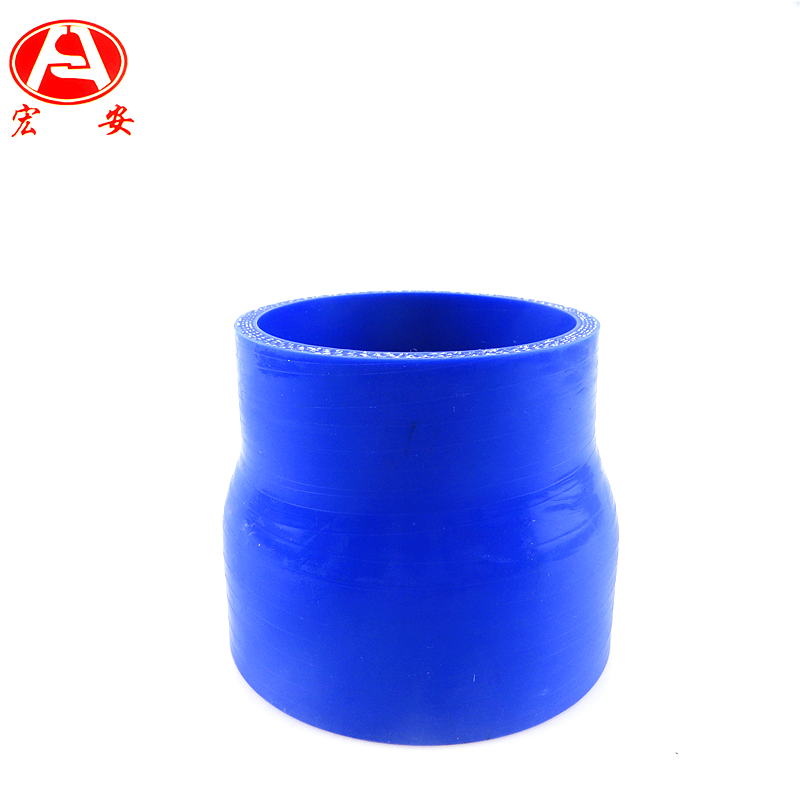
| Performance Silicone | Up to 175C+ | Nomex / Polyester | Heavy Duty / Performance Tuning |
Need a reliable factory for custom mandrel-bent hoses? Let us evaluate your prints and match you with a vetted extrusion facility.
Talk to our teamExtrusion, Wrapping, and Quality Control
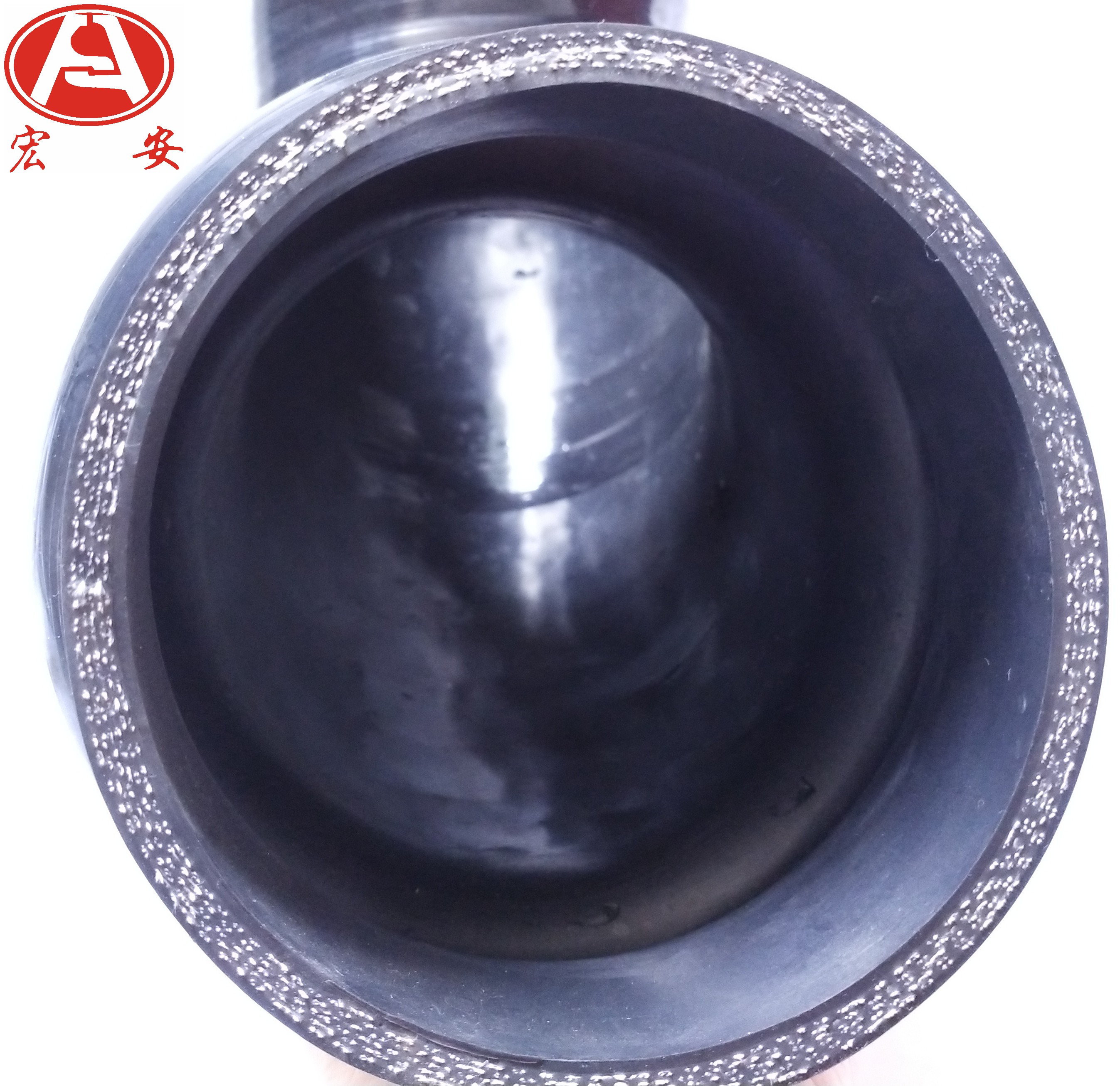
Coolant hose manufacturing involves extruding the inner tube, applying a braided or knit reinforcement layer, and extruding the outer cover. For shaped hoses, uncured blanks are manually or automatically loaded onto metal mandrels before entering the vulcanization autoclave.
Where factories cut corners is often in the curing process—rushing cycle times or failing to maintain uniform temperature distribution in the autoclave. Implementing rigorous pre-shipment quality control is non-negotiable to catch delamination or curing defects before containers ship.
Critical QC Checks for Coolant Hoses
- Wall thickness concentricity (preventing thin spots and weak points)
- Adhesion strength between the inner elastomer, reinforcement, and outer cover
- Burst pressure testing to SAE J20 standards
- Ozone and UV resistance testing on the outer cover compound
- Electrochemical degradation (ECD) resistance testing
Tooling Costs, MOQs, and Production Lead Times
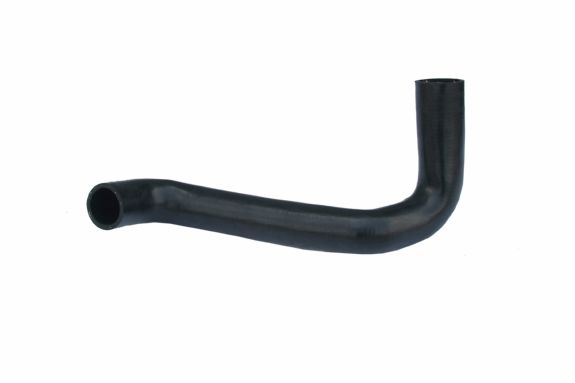
Bulk sourcing economics depend heavily on whether you are buying standard straight/roll hoses or custom-molded applications. Straight hoses extruded continuously have low barriers to entry, while formed hoses require dedicated aluminum or steel mandrels for every specific part number.
If you are developing proprietary performance kits, utilizing structured OEM/ODM services ensures your tooling remains your intellectual property and dimensional tolerances are strictly adhered to across production runs.
Struggling with high defect rates or unreasonable tooling costs? We can audit your current supply chain and negotiate better terms.
Get a free consultationAuditing Automotive Hose Manufacturers
Not all rubber extrusion factories are equipped for strict automotive applications. You need suppliers with IATF 16949 certification and robust in-house testing labs. Conducting thorough factory audits verifies their raw material mixing capabilities, curing oven temperature stability, and historical scrap rates, ensuring they can actually deliver on their quoted specifications.
Frequently Asked Questions
Sourcing coolant hoses at scale requires strict adherence to material science and process control. A minor variance in curing temperature or knit tension can lead to widespread warranty claims. By partnering with experienced sourcing professionals, you can secure the right manufacturing capabilities and protect your brand's reputation.
Get Sourcing Help for Coolant Hoses
Tell us your requirements and our experts will connect you with verified manufacturers.