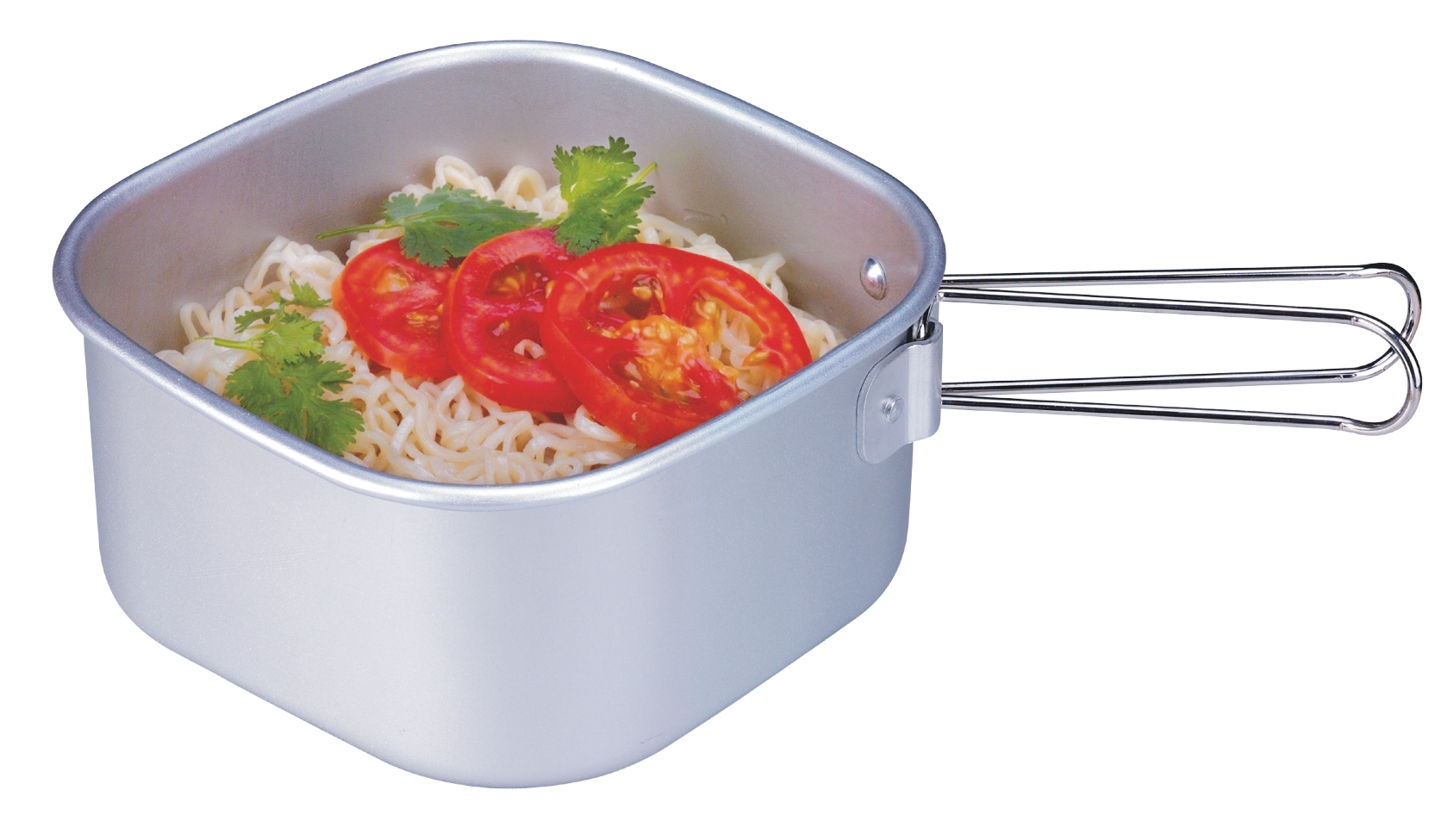
Cookware
Source premium camping cookware from vetted manufacturers and wholesale suppliers across Asia. Designed for importers, distributors, and outdoor brands seeking reliable OEM and private-label production, our network delivers high-volume, lightweight, and durable outdoor cooking gear built to exact specifications.
Outdoor cookware demands a precise balance of weight reduction, thermal efficiency, and rugged durability. Whether you are developing ultralight titanium sets for backpackers or nested hard-anodized aluminum kits for car camping, sourcing reliable manufacturing requires strict oversight. Success in this category hinges on verifying material grades, controlling surface treatments, and maintaining exact dimensional tolerances for nesting components.
Core Material Specifications
Selecting the right material dictates the entire manufacturing process, tooling costs, and target market for your cookware line.
| Material | Primary Application | Thermal Performance | Manufacturing Complexity |
|---|---|---|---|
| Hard-Anodized Aluminum | General backpacking & camping | Excellent heat distribution | Moderate (requires Type III anodizing) |
| Titanium (Grade 1 or 2) | Ultralight backpacking | Fast heating, prone to hot spots | High (difficult to stamp and weld) |
| Stainless Steel (304/18-8) | Rugged expedition & basecamp | Moderate, retains heat well | Low to Moderate |
| Food-Grade Silicone | Collapsible space-saving sets | Insulator (requires metal base) | Moderate (overmolding to metal) |
When developing custom shapes or specialized nesting configurations, partnering with a factory capable of precision tooling is non-negotiable. Utilizing OEM/ODM Services ensures your proprietary designs are engineered for manufacturability before bulk production begins.
Need help finding a manufacturer capable of precision titanium stamping or specialized hard-anodizing?
Talk to our teamCritical Manufacturing & Quality Checkpoints
Camping cookware relies on flawless execution in metal forming and surface finishing. Minor deviations on the factory floor lead to sets that rattle, jam, or pose safety risks to the end user.
1. Deep Drawing and Nesting Tolerances
Most camping pots and pans are formed via deep drawing. If the tooling is imprecise or the metal sheet thickness varies, the final dimensions will fluctuate. For multi-piece nesting sets, a variance of just one millimeter can cause components to stick together permanently or rattle excessively during transport.
2. Handle Attachment Integrity
Folding handles are a defining feature of camping cookware. The attachment points—typically spot-welded brackets or rivets—bear the full weight of boiling liquids.
- Spot Welding: Common on titanium and stainless steel. Requires precise voltage and timing control. Weak welds will detach under load.
- Riveting: Often used on aluminum. Rivets must be fully compressed to prevent leaks and structural play.
3. Surface Treatment (Anodization)
For aluminum cookware, standard anodizing is insufficient for outdoor use. You must specify Type III Hard Anodizing. This process creates a thick, durable, non-reactive layer that prevents aluminum leaching and resists scratching from metal utensils. The thickness of this layer should be measured in microns during production.
Implementing rigorous Quality Control & Inspection protocols, including load testing on handles and coating thickness measurements, is essential to catch these defects before shipment.
Pre-Shipment Inspection Checklist for Cookware
- Verify nesting tolerances (smooth insertion and removal of all pieces).
- Conduct load-bearing tests on all folding handles and brackets.
- Measure hard-anodized coating thickness using a digital micrometer.
- Check for sharp edges on stamped rims and laser-cut drainage holes.
- Ensure silicone handle grips are securely bonded and heat-resistant.
Compliance and Food Safety Testing
Regardless of the material, camping cookware must comply with the food contact regulations of your target market. This typically means passing FDA standards for the US or LFGB standards for Europe. Testing ensures there is no heavy metal migration or chemical leaching when exposed to acidic foods at boiling temperatures.
Running these verifications through professional Compliance & Testing channels protects your brand from costly recalls and import rejections.
Sourcing Realities: MOQs, Lead Times, and Pricing
The outdoor cookware supply chain is heavily concentrated in specific industrial clusters in China, particularly in Guangdong and Zhejiang provinces.
Pricing is highly sensitive to raw material costs (especially for titanium) and the complexity of the nesting design. Factories that offer the lowest initial quotes often cut corners on material thickness or substitute standard anodizing for hard anodizing. Conducting thorough Factory Audits is the most effective way to verify a supplier's true capabilities and quality management systems before committing capital.
Evaluate your current cookware supply chain and identify opportunities to improve quality and lower landed costs.
Get a free consultationFrequently Asked Questions
Sourcing high-performance camping cookware requires moving beyond aesthetic designs and focusing heavily on metallurgical properties, tooling precision, and rigorous safety testing. By partnering with capable manufacturers and maintaining strict oversight over the production process, you can deliver outdoor gear that performs reliably in the most demanding environments.
Get Sourcing Help for Cookware
Tell us your requirements and our experts will connect you with verified manufacturers.