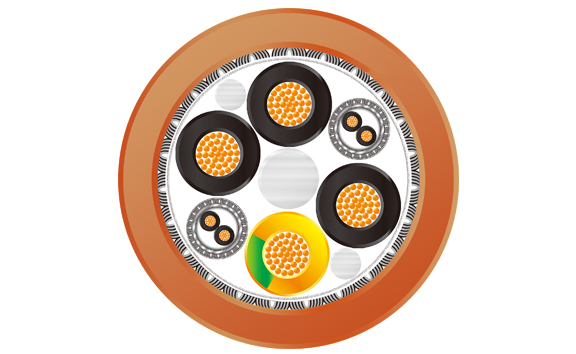
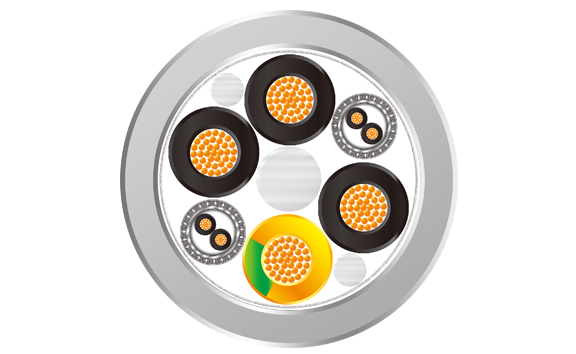
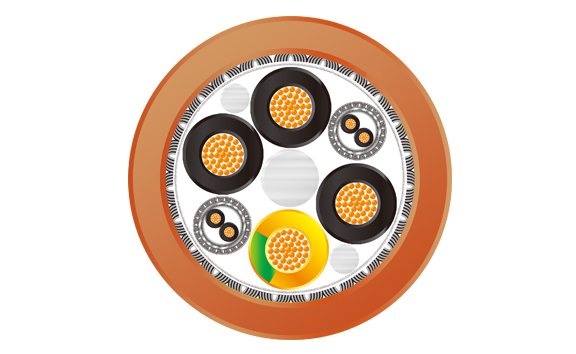
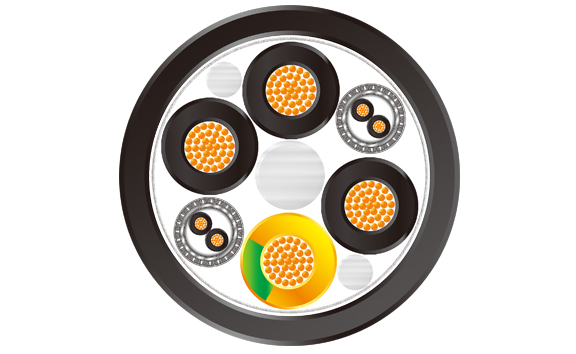
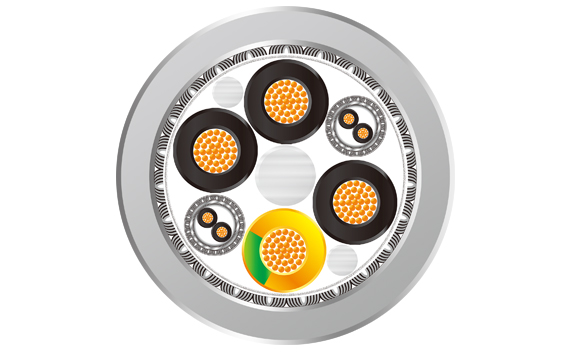
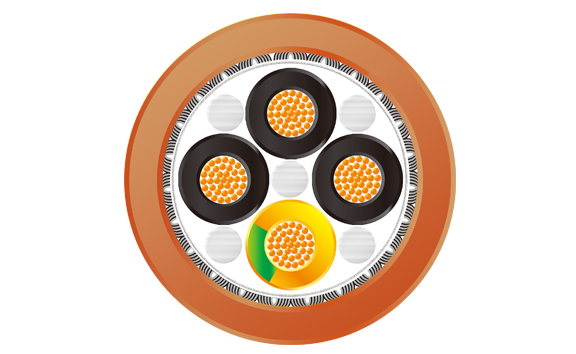
Control Cables
Source premium Control Cables directly from vetted manufacturers and suppliers. Designed for importers, wholesalers, and industrial distributors buying in bulk, our network offers both standard configurations and custom OEM production to meet strict automation needs.
Control cables are the nervous system of industrial automation, robotics, and instrumentation. When sourcing these multi-conductor cables in high volumes, the primary challenge isn't just finding a factory with the right extrusion equipment—it is managing the volatility of copper prices while ensuring strict adherence to electrical and mechanical performance standards. A supplier's ability to maintain consistent insulation wall thickness and conductor purity directly impacts the safety and longevity of the end installation.
Core Specifications to Define
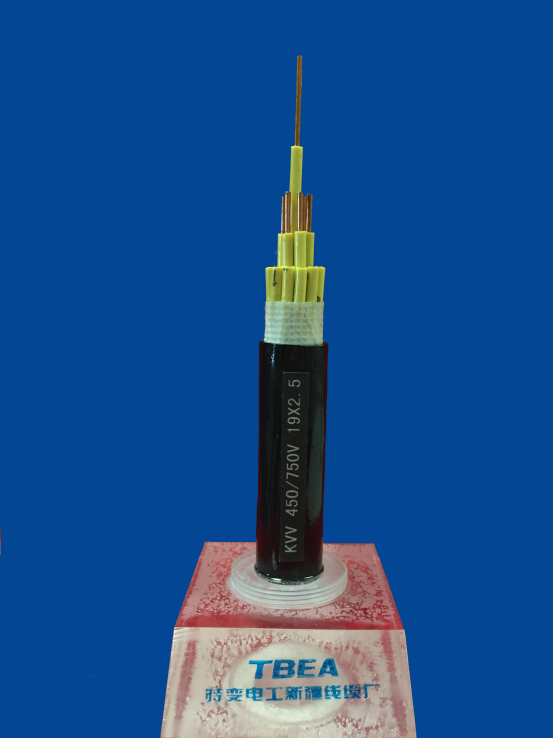
To get accurate quotes and avoid production misunderstandings, your technical specifications must leave no room for interpretation. Suppliers need exact details on the conductor makeup, shielding requirements, and jacket materials.
Shielding and Mechanical Protection
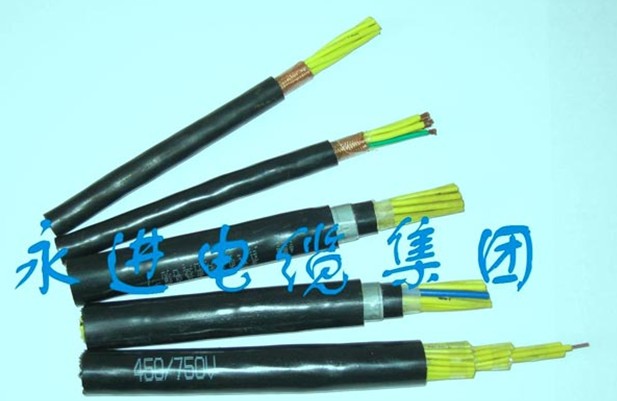
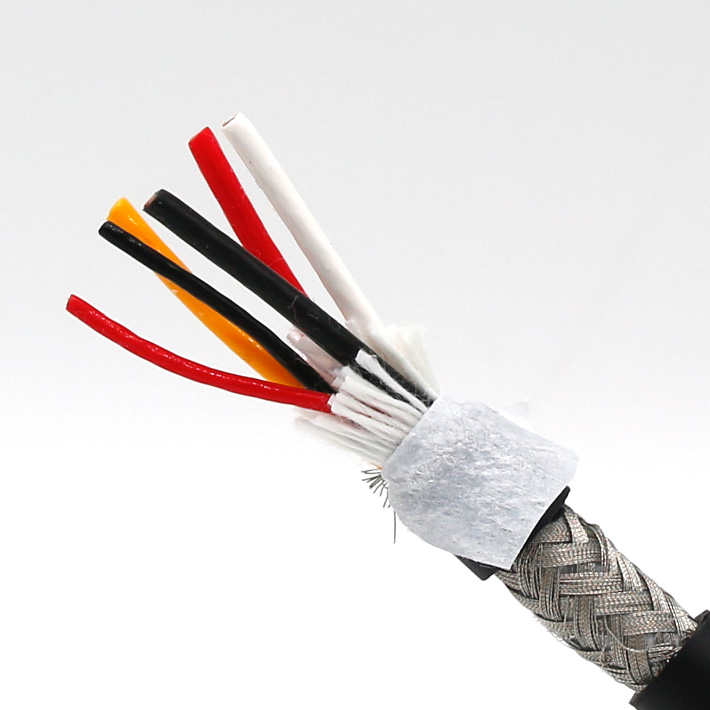
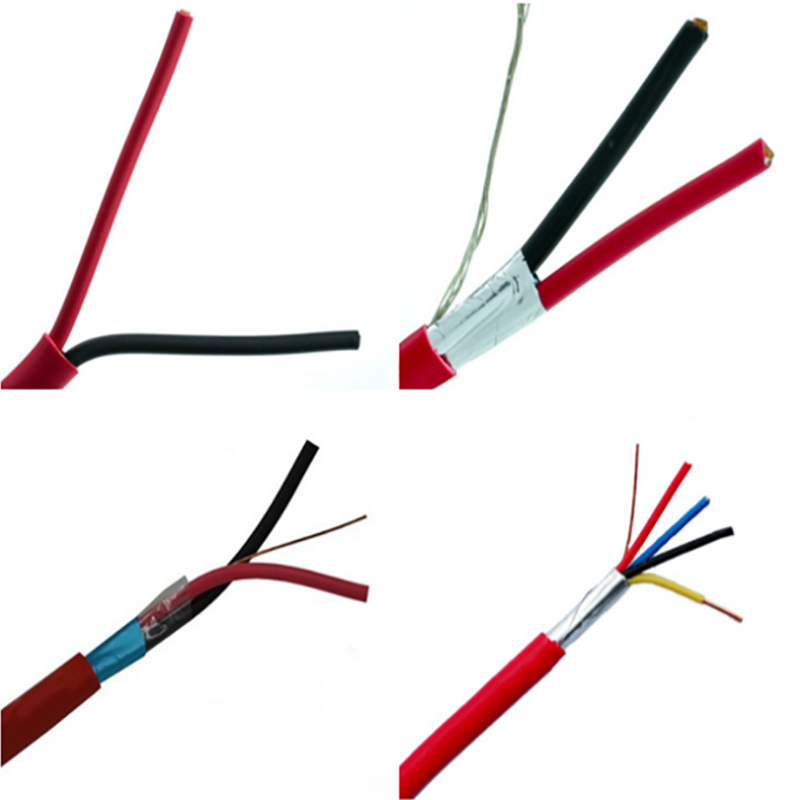
In industrial environments, electromagnetic interference (EMI) and physical stress dictate the cable construction. European nomenclature (YY, CY, SY) is widely understood by Asian manufacturers, but you must still specify the exact braiding coverage.
| Type | Construction | Primary Use Case |
|---|---|---|
| Unshielded (YY) | PVC insulation and jacket, no shield | Light mechanical stress, dry/damp interiors without EMI |
| Copper Shielded (CY) | Tinned copper wire braid over inner jacket | Environments requiring EMI protection and signal integrity |
| Steel Braided (SY) | Galvanized steel wire braid, clear outer jacket | Heavy industrial use requiring high mechanical protection |
Conductor Purity and Stranding
Specify Class 5 or Class 6 flexible stranded bare or tinned copper. A common tactic for low-end suppliers to cut costs is using Copper Clad Aluminum (CCA) or recycled copper with high impurity levels. This increases electrical resistance and heat generation. Always specify the maximum allowable conductor resistance (Ohms/km) according to IEC 60228.
Struggling to verify supplier claims on copper purity? We can help you establish strict material standards and enforce them on the factory floor.
Talk to our teamManufacturing Tolerances and Quality Control
The reliability of a control cable is won or lost during the drawing, stranding, and extrusion phases. Poor tension control during cabling can lead to corkscrewing, while inconsistent extrusion speeds result in uneven jacket thickness (eccentricity).
When evaluating a manufacturer, look closely at their inline testing capabilities.
Critical Factory Quality Checks
- Spark Testing: Inline high-voltage testing during extrusion to detect pinholes in the insulation.
- Concentricity Monitoring: Laser micrometers ensuring the conductor remains perfectly centered within the insulation.
- Braid Coverage Verification: Ensuring the copper or steel braid meets the specified coverage percentage (typically 85 percent or higher).
- Conductor Resistance Testing: Batch testing to confirm the copper purity meets IEC/UL standards.
Relying solely on the factory's final test report is risky. Implementing independent Quality Control & Inspection prior to container loading ensures that resistance, dielectric strength, and mechanical dimensions match your approved golden sample. Furthermore, conducting comprehensive Factory Audits before placing an order confirms that the supplier actually owns the necessary planetary cablers and high-speed extruders, rather than subcontracting your order to a smaller, unregulated workshop.
Buying Mechanics: Pricing, MOQs, and Lead Times
Control cable pricing is highly dynamic. Because copper accounts for 60 to 80 percent of the manufacturing cost, quotes are typically tied to the London Metal Exchange (LME) copper index and are only valid for a short window (often 3 to 7 days).
For custom jacket colors, specific printing requirements, or specialized hybrid cables (combining power and signal), you will be utilizing OEM/ODM Services. Custom printing rarely increases the MOQ, but non-standard jacket materials (like PUR or TPE for extreme oil resistance) might push the MOQ closer to 10 kilometers due to the minimum batch sizes required for raw polymer compounding.
Need to lock in pricing despite volatile copper markets? Let us help you negotiate stable contracts and manage your supply chain efficiently.
Get a free consultationFrequently Asked Questions
Sourcing control cables at scale requires balancing rigid electrical standards with the realities of commodity pricing. By locking down your technical specifications, tying your quality control to quantifiable metrics like conductor resistance and jacket concentricity, and staying responsive to copper market shifts, you protect both your margins and your reputation.
Get Sourcing Help for Control Cables
Tell us your requirements and our experts will connect you with verified manufacturers.