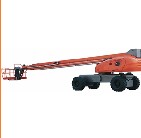
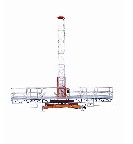
Construction Lifters
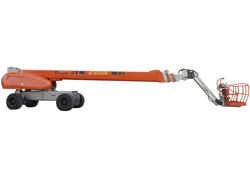
Source heavy-duty construction lifters from vetted manufacturers and suppliers across Asia. Designed for equipment importers, industrial distributors, and brands seeking reliable OEM production, our network delivers high-capacity lifting solutions built to strict global safety standards.
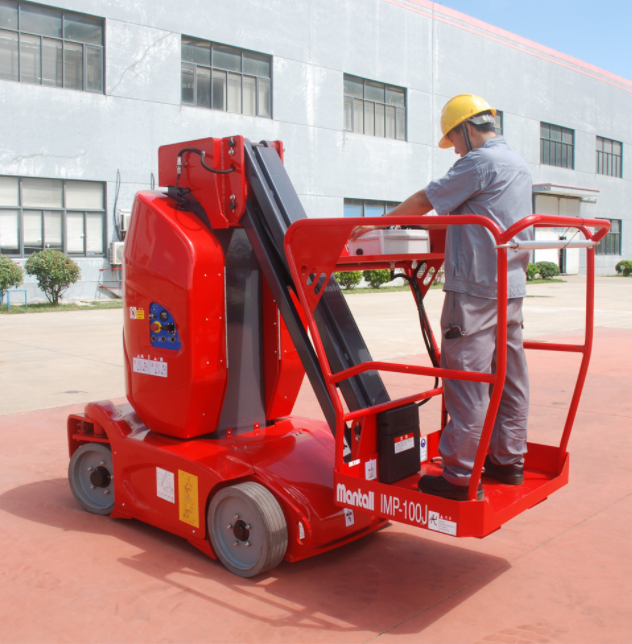
Sourcing construction lifters at scale requires balancing heavy-duty performance with uncompromising safety standards. Whether you are importing material hoists, aerial work platforms, or specialized lifting equipment, the primary sourcing challenge lies in verifying that a manufacturer's engineering capabilities match their spec sheets. A failure in structural integrity or hydraulic reliability is not just a warranty issue; it is a critical safety liability.
Critical Specifications for Heavy-Duty Lifters
Buyers must define precise technical parameters to avoid receiving under-engineered equipment. Vague specifications often lead to factories substituting lower-grade steel or undersized hydraulic cylinders to cut costs.
Manufacturing Tolerances and Quality Control
The difference between a reliable lifter and a dangerous one is determined on the factory floor. Pay close attention to welding processes, structural alignment, and hydraulic component sourcing.
Critical Factory-Level Checks
- Robotic welding for main structural booms and chassis to ensure consistency
- Non-Destructive Testing (NDT) on critical load-bearing welds
- Use of premium imported seals (e.g., NOK) in hydraulic cylinders to prevent leaks
- Integrated overload protection and anti-fall safety brakes tested under load
If a supplier cannot provide documentation for these processes, walk away. Conducting rigorous factory audits before placing a deposit is mandatory for this category to verify their actual testing infrastructure and engineering capabilities.
Need help verifying a heavy machinery manufacturer? Let's discuss your technical requirements and compliance needs.
Talk to our teamComponent Selection: Hydraulics and Controls
The core of any construction lifter is its hydraulic and control system. Many Chinese manufacturers offer a choice between domestic and imported components, allowing buyers to balance cost with performance expectations.
| Component Tier | Typical Origin | Performance Impact | Cost Implication |
|---|---|---|---|
| Standard Domestic | Top-tier Chinese brands | Adequate for standard duty cycles | Baseline cost |
| Imported / Premium | Japan, Germany, US | Higher longevity, better seal integrity | Adds 15 to 30 percent to base unit cost |
For OEM orders, you can specify exact component brands for pumps, valves, and control joysticks. Ensuring these components are genuine and correctly installed requires strict quality control during assembly and pre-shipment load testing.
Pricing, MOQs, and Lead Times
Because construction lifters are high-value capital equipment, Minimum Order Quantities (MOQs) are highly flexible compared to consumer goods.
- MOQs: Often starting at 1 to 5 units for large mobile elevating work platforms (MEWPs) or heavy material hoists. Smaller manual or semi-electric lifters may require 10 to 20 units.
- Lead Times: Expect 30 to 45 days for standard models. Custom OEM configurations or orders requiring specialized imported hydraulics can push lead times to 60 days or more.
- Pricing Drivers: Raw steel prices dictate the baseline, but the choice of power unit (lithium-ion vs. lead-acid vs. diesel engine) and hydraulic tier will drastically swing the final FOB price.
Planning a volume order of construction lifters? We can help negotiate terms and manage the production schedule.
Get a free consultationShipping and Logistics
Shipping heavy machinery requires careful planning. Many large lifters do not fit standard container dimensions without partial disassembly. Coordinating shipping and freight for out-of-gauge (OOG) cargo, open-top, or flat rack containers is a significant part of the total landed cost. Proper anti-corrosion packaging and securing mechanisms inside the container are vital to prevent transit damage.
Frequently Asked Questions
Procuring construction lifters requires moving beyond face-value spec sheets and deeply understanding a factory's engineering culture and quality management systems. By controlling the component supply chain and enforcing strict testing protocols, you can secure heavy machinery that meets global safety standards without compromising your margins.
Get Sourcing Help for Construction Lifters
Tell us your requirements and our experts will connect you with verified manufacturers.