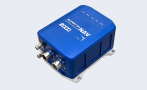
Connectivity
Source reliable automotive connectivity components from vetted suppliers and manufacturers. Designed for auto parts importers, wholesalers, distributors, and brands seeking OEM or private-label production, our network delivers bulk telematics, CAN bus interfaces, and wiring solutions built for demanding vehicle environments.
Modern vehicles are essentially data centers on wheels. Sourcing automotive connectivity components—from CAN bus gateways and OBD-II interfaces to custom wiring harnesses and telematics modules—requires strict adherence to industry standards. A failure in connectivity does not just mean a dropped signal; it can trigger diagnostic trouble codes (DTCs), drain vehicle batteries, or compromise critical vehicle systems. Buying in bulk means ensuring that every unit rolling off the line meets exact electrical and environmental specifications.
Defining Automotive-Grade Specifications
The aftermarket connectivity sector is flooded with consumer-grade electronics repackaged for vehicles. True automotive-grade components must survive constant vibration, extreme temperature fluctuations, and volatile electrical environments (such as load dumps and voltage spikes). When negotiating with manufacturers, your specification sheet must clearly define the operating parameters.
| Parameter | In-Cabin / Standard Aftermarket | Under-Hood / Commercial Duty |
|---|---|---|
| Operating Temperature | -20 to +85 Celsius | -40 to +125 Celsius |
| Voltage Range | 9V to 16V (12V systems) | 9V to 36V (Supports 24V systems) |
| Ingress Protection | IP40 to IP54 | IP67 to IP69K (Potting required) |
| PCB Protection | Standard ENIG | ENIG with Conformal Coating |
Parasitic Draw
A critical metric for plug-and-play devices (like OBD-II dongles) is sleep-mode current. Ensure your supplier specifies a sleep current of under 5mA to prevent the device from draining the vehicle's battery during extended parking.
Manufacturing Tolerances and Quality Control
The reliability of connectivity hardware is won or lost on the SMT (Surface Mount Technology) line and during the final assembly process. For wiring and physical connectors, precision in terminal crimping and housing overmolding prevents moisture ingress and pin push-out.
When evaluating a factory, their quality management system is paramount. While ISO 9001 is a baseline, serious automotive electronics manufacturers should hold IATF 16949 certification. Conducting thorough Factory Audits before placing a volume order is the only reliable way to verify their production capabilities and calibration standards.
Need to verify a manufacturer's IATF 16949 credentials and production capabilities before committing to a volume order?
Talk to our teamPre-Shipment Inspection Focus Areas
You cannot afford to discover defect rates after the products have been distributed to mechanics or retail shelves. A robust Quality Control & Inspection protocol for connectivity devices must include:
- Automated Optical Inspection (AOI) reports for PCB solder joint integrity
- Firmware flashing verification and version checks
- Vibration testing (simulating engine and road frequencies)
- Thermal shock cycling (rapid transition from extreme cold to high heat)
- Continuity and impedance testing for all wiring harnesses
Regulatory Compliance and Certifications
Automotive connectivity devices often transmit wirelessly (Bluetooth, Wi-Fi, Cellular) and interface with standard vehicle protocols. Depending on your target market, the hardware will require specific regulatory approvals. Navigating Compliance & Testing is a critical step in the sourcing process to avoid customs seizures or market bans. Expect to require FCC certification for the US market, CE and E-Mark for Europe, and RoHS compliance across all regions.
Pricing, MOQs, and Production Lead Times
Pricing in automotive connectivity is highly dependent on the chipset used (e.g., standard vs. AEC-Q100 qualified chips) and the level of environmental protection required.
If you are developing a proprietary telematics device or a custom diagnostic tool, tooling costs for new injection-molded housings typically range from $2,000 to $5,000 depending on complexity and IP rating requirements.
Managing complex automotive electronic supply chains requires precision. Let us handle the factory negotiations and quality oversight.
Get a free consultationBuyer FAQ
Sourcing automotive connectivity hardware is ultimately an exercise in risk mitigation. The cheapest unit on the market often becomes the most expensive when factoring in warranty claims, vehicle damage, and brand reputation. By partnering with vetted, certified manufacturers and enforcing strict quality standards, you ensure your connectivity products perform flawlessly in the real world.
Get Sourcing Help for Connectivity
Tell us your requirements and our experts will connect you with verified manufacturers.