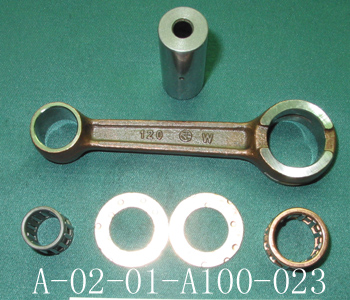
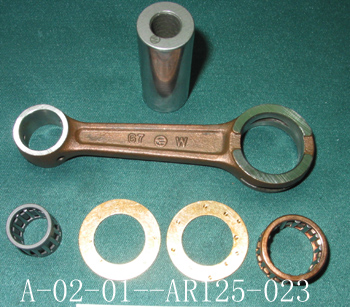
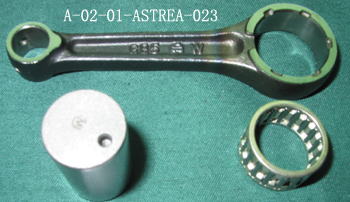
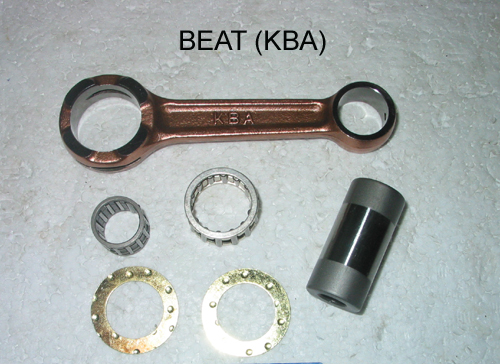
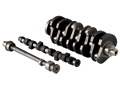
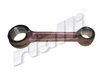
Connecting Rods & Bearing Bushes
Source high-performance connecting rods and bearing bushes from vetted manufacturers and suppliers in China and Asia. Designed for automotive importers, wholesale distributors, and OEM brands buying in bulk, our network delivers precision-engineered engine components at competitive wholesale prices.
Sourcing connecting rods and bearing bushes at volume is an exercise in risk management. Because these components endure immense mechanical stress and thermal loads, a single metallurgical flaw or dimensional inaccuracy can result in catastrophic engine failure. For bulk buyers, success depends on partnering with manufacturers who maintain strict control over forging processes, machining tolerances, and material sourcing.
Material Selection and Manufacturing Processes
The intended application of the engine dictates the manufacturing method and material grade required. Aligning your product specifications with the right factory's core capabilities is the first step in a successful procurement cycle.
Connecting Rods: Forging vs. Sintering
Most automotive connecting rods fall into two primary manufacturing categories:
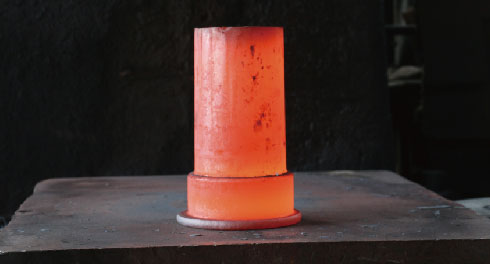
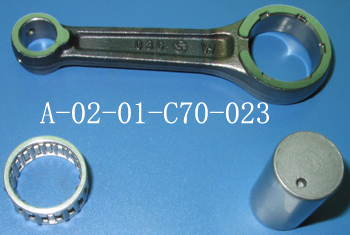
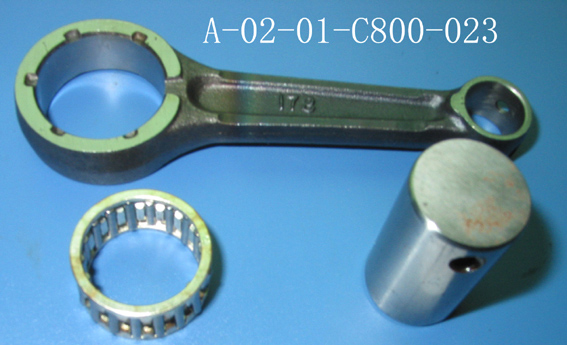
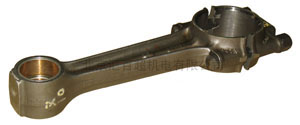
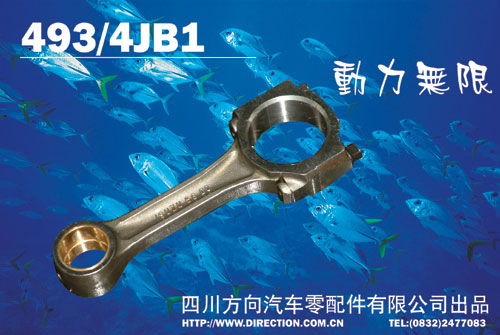
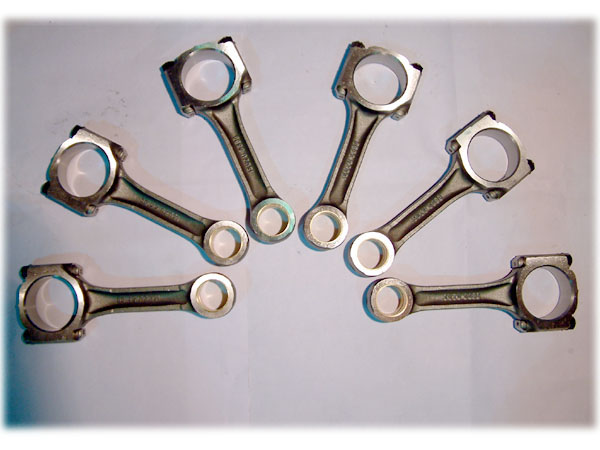
- Forged Steel: Typically utilizing 4340 or 4140 steel, forged rods offer superior tensile strength and fatigue resistance. They are the standard for heavy-duty commercial vehicles, performance aftermarket applications, and diesel engines.
- Powdered Metal (Sintered): Sintered rods are created by pressing metal powder into a die and heating it. They are highly cost-effective at scale and feature fractured-cap technology for perfect cap-to-rod alignment. These are standard in modern, naturally aspirated passenger vehicles.
| Manufacturing Process | Typical Material | Application Focus | Volume Economics |
|---|---|---|---|
| Forged | 4340 / 4140 Steel | Heavy-duty, performance aftermarket | Higher unit cost, lower tooling cost |
| Powdered Metal | Sintered Steel Alloys | Standard OEM passenger vehicles | Lower unit cost, high tooling cost |
Bearing Bushes: Bi-Metal vs. Tri-Metal
Main bearings and rod bearings require a delicate balance of load capacity, embeddability (the ability to absorb microscopic debris), and conformability.
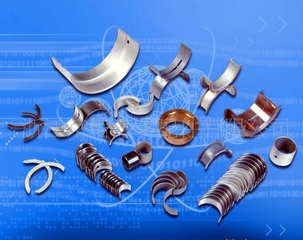
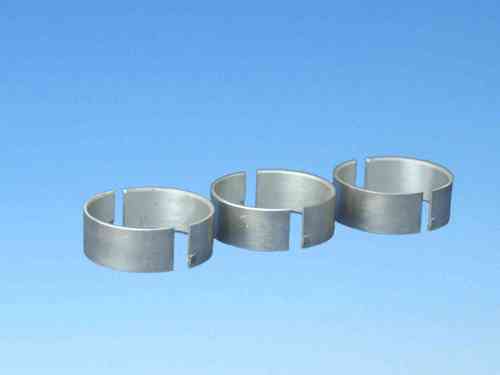
- Bi-Metal Bearings: Generally consist of a steel backing with an aluminum-tin alloy lining. They offer excellent corrosion resistance and are standard for most modern passenger car engines.
- Tri-Metal Bearings: Feature a steel backing, a copper-lead intermediate layer, and a soft babbitt overlay. These handle significantly higher loads and are essential for high-compression diesel or performance engines.
Need help identifying suppliers with the right metallurgical capabilities for your specific application?
Talk to our teamCritical Quality Control and Tolerances
When evaluating a manufacturer, their machining capabilities and inspection protocols are just as important as their raw materials. Even the highest quality 4340 steel forging is useless if the big end bore is out of round.
A reliable supplier should utilize Coordinate Measuring Machines (CMM) and maintain strict adherence to IATF 16949 automotive quality standards. Integrating comprehensive Quality Control & Inspection protocols is non-negotiable for engine internals.
Critical Factory-Level QC Checks
- Center-to-center distance accuracy (typically held within 0.05mm).
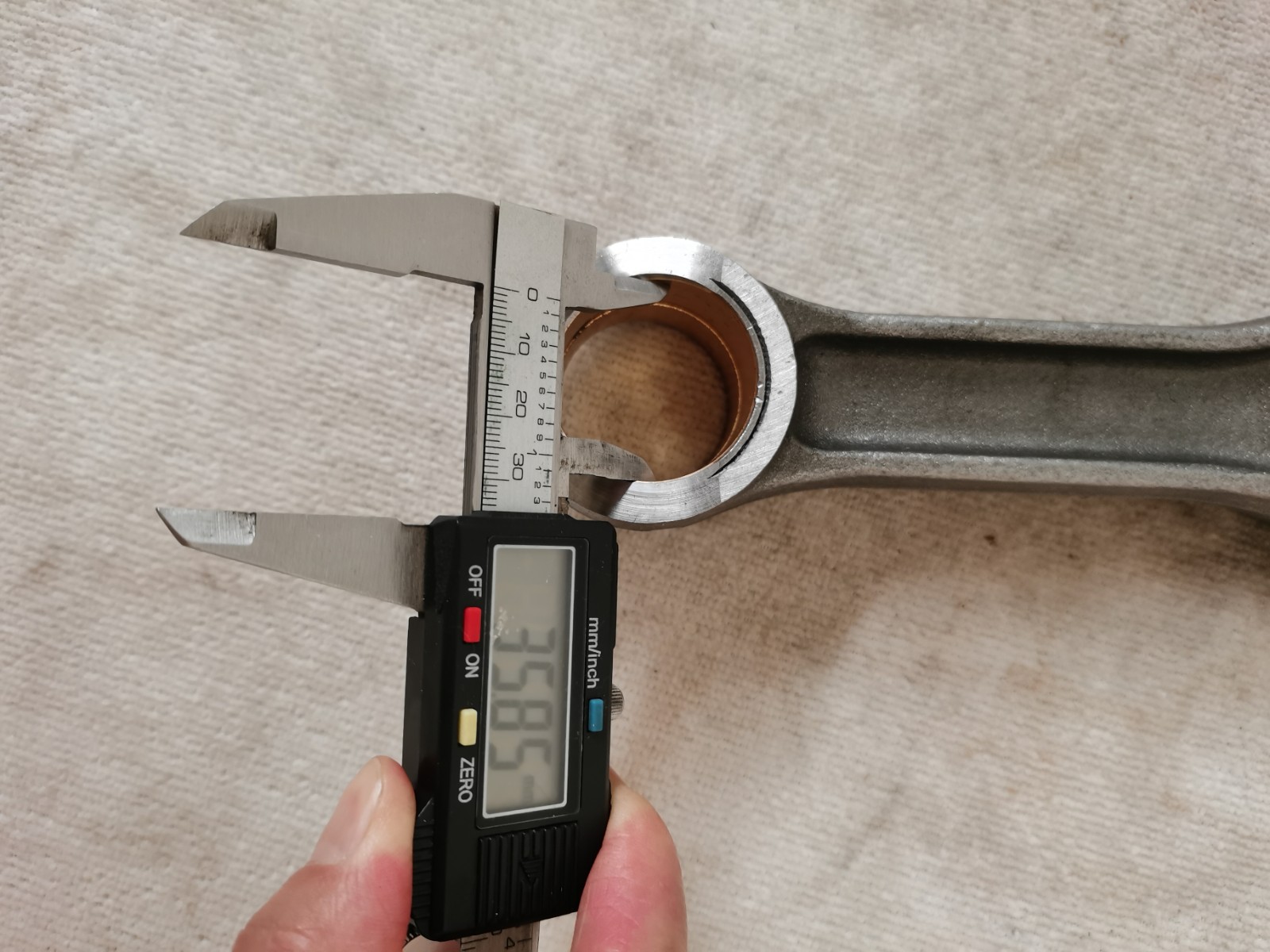
- Big end and small end bore roundness, taper, and surface finish.
- Weight matching per engine set (often balanced to within 1 to 2 grams).
- Bearing wall thickness consistency and proper crush height.
- Magnetic Particle Inspection (MPI) or X-ray testing for internal flaws in forged rods.
Thorough Factory Audits are highly recommended before placing initial bulk orders to verify that the supplier actually owns the CNC and honing equipment they claim, rather than outsourcing the critical finishing steps.
Pricing Drivers, MOQs, and Lead Times
Wholesale pricing for connecting rods and bearing bushes is heavily influenced by raw material markets (steel and aluminum), the complexity of the machining, and the required order volume.
For buyers looking to develop proprietary designs for the performance aftermarket, OEM/ODM Services will involve upfront tooling costs. Forging dies and specialized machining fixtures require investment, though factories often rebate these costs once cumulative order volumes reach a specific threshold.
Planning a new production run? Let us help you negotiate tooling terms and verify factory capabilities.
Get a free consultationFrequently Asked Questions
Successfully sourcing connecting rods and bearing bushes requires looking past the initial unit price and rigorously validating the factory's engineering and quality control infrastructure. By ensuring your manufacturing partners adhere strictly to automotive standards, you protect your brand's reputation and your bottom line.
Get Sourcing Help for Connecting Rods & Bearing Bushes
Tell us your requirements and our experts will connect you with verified manufacturers.