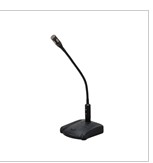
Conference Systems
Source professional conference systems in bulk directly from vetted manufacturers and suppliers. Designed for importers, wholesalers, AV distributors, and brands seeking OEM/ODM production, our catalog connects you with reliable factories capable of delivering high-quality audio and video communication equipment at scale.
Sourcing professional conference systems requires balancing high-fidelity audio, crisp video capture, and seamless interoperability with major unified communications (UC) platforms. For volume buyers, the difference between a high-margin success and a high-return failure lies in the factory's engineering capabilities—specifically their mastery of digital signal processing (DSP), acoustic design, and firmware stability.
Core Technical Specifications to Define
When negotiating with manufacturers, vague requirements lead to inconsistent product performance. You must specify exact component grades, as these dictate both the unit cost and the end-user experience.
| Component | Standard / Huddle Room | Premium / Boardroom |
|---|---|---|
| Microphone Array | 2-4 omnidirectional mics, 3-5m pickup | 8-12+ beamforming mics, 8m+ pickup |
| Camera Optics | 1080p, digital zoom (ePTZ), 90-degree FOV | 4K Sony sensor, 12x+ optical zoom, mechanical PTZ |
| Audio Processing | Basic DSP (echo cancellation) | Advanced AI noise suppression, full-duplex audio |
| Connectivity | USB 2.0 / Bluetooth 4.2 | USB 3.0, PoE, SIP/VoIP, daisy-chain support |
Audio Processing and Acoustic Design
The most common point of failure in imported conference hardware is audio degradation. Echo, clipping, and background noise are usually symptoms of poor digital signal processing (DSP) integration or inadequate acoustic isolation between the speaker and microphones within the housing. Ensure your supplier utilizes dedicated DSP chips (rather than relying on a generic mainboard processor) and ask for their acoustic testing protocols.
Need help verifying a factory's engineering capabilities? Our team can assess supplier DSP integration and acoustic testing setups before you commit to an order.
Discuss your technical requirementsManufacturing Quality & Factory Validation
Not all electronics assemblers are equipped to manufacture conference systems. The best suppliers maintain dedicated anechoic chambers for audio testing and dark rooms for camera sensor calibration.
When validating a factory, look for strict in-house testing protocols:
- Acoustic Chamber Testing: Verifying frequency response, total harmonic distortion (THD), and microphone pickup patterns.
- Aging Tests: Running units at maximum load for 48 to 72 hours to identify thermal throttling or early component failure.
- Firmware Stress Testing: Ensuring stability when connecting and disconnecting from various operating systems and UC platforms (Zoom, Teams, Webex).
Conducting rigorous Factory Audits is essential to verify that these testing facilities actually exist and are actively used on the production line, rather than just being showpieces for buyers. Furthermore, implementing robust Quality Control & Inspection before shipment ensures that the units off the line match the golden sample.
OEM and ODM Customization
For brands looking to establish their own product lines, conference systems offer significant avenues for customization.
White-Labeling (Low MOQ)
Applying your logo to existing factory molds (silkscreen or laser engraving) and customizing the packaging. Fastest time to market.
Firmware Customization (Medium MOQ)
Modifying the boot screen, LED indicator behaviors, USB device names (PID/VID), and pre-loaded software integrations.
Full ODM / Custom Tooling (High MOQ)
Designing a completely custom housing, acoustic chamber, and PCB layout. Requires significant investment in injection molds but provides total market differentiation.
Partnering with a supplier experienced in OEM/ODM Services ensures that custom firmware updates don't break compatibility with major video conferencing platforms down the line.
Typical MOQs, Lead Times, and Pricing
Production minimums and lead times vary significantly based on the complexity of the system and the level of customization required.
Chipset Availability
Global supply chain fluctuations for specialized DSP and camera sensor chipsets can heavily impact both pricing and lead times. Always confirm component inventory status with the factory before finalizing your production timeline.
Looking to source conference systems at scale? We negotiate directly with top-tier Asian manufacturers to secure competitive pricing and favorable terms for your bulk orders.
Get a sourcing quoteFrequently Asked Questions
Successfully importing conference systems requires looking past the spec sheet and evaluating the manufacturer's acoustic engineering and software stability. By defining strict component standards and enforcing rigorous testing on the factory floor, you can build a reliable product line that meets the demands of modern enterprise communications.
Get Sourcing Help for Conference Systems
Tell us your requirements and our experts will connect you with verified manufacturers.