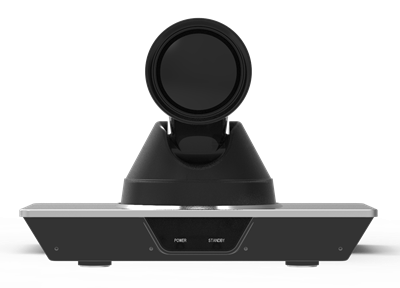
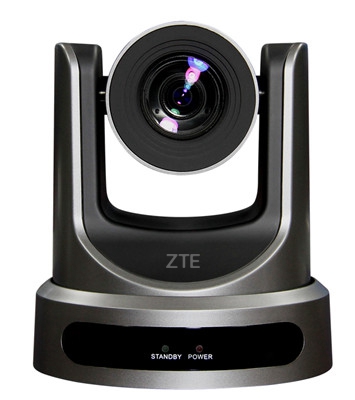
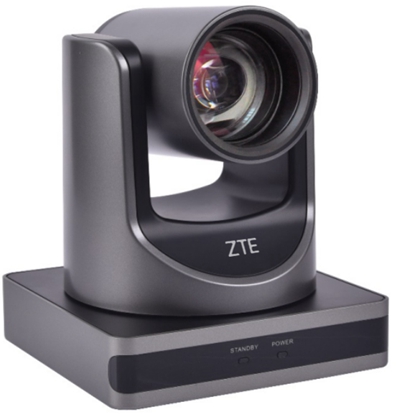
Conference Cameras
Source reliable conference cameras in bulk directly from vetted manufacturers and suppliers. Designed for importers, distributors, and brands seeking high-quality OEM and private-label production, our network delivers enterprise-grade video conferencing hardware built for modern hybrid workspaces.
Sourcing enterprise-grade conference cameras requires navigating a complex supply chain of sensor manufacturers, DSP integrators, and acoustic engineers. The difference between a reliable unified communications (UC) device and a high-return-rate liability lies in the precise integration of optics, mechanical durability, and audio processing firmware. For volume buyers, securing a factory that masters both hardware assembly and software stability is the primary challenge.
Component Selection and Optical Architecture
The performance of a conference camera is dictated by its core components. Buyers must specify exactly what goes into the housing, as factories will often substitute lower-tier components to hit aggressive price targets.
- Image Sensors: The gold standard for low-light performance and dynamic range in enterprise cameras remains Sony (IMX series) and OmniVision. Cheaper sensors introduce heavy grain in typical office lighting conditions.
- Lenses: Specify multi-layer glass lenses to prevent the chromatic aberration and edge distortion common with cheaper plastic optics.
- Audio Processing: A camera is only as good as its Digital Signal Processor (DSP). Effective Acoustic Echo Cancellation (AEC) and background noise suppression require advanced microphone arrays and robust DSP algorithms.
| Application | Field of View (FOV) | Zoom Mechanism | Mic Pickup Range |
|---|---|---|---|
| Huddle Rooms | 110 to 120 degrees | Fixed or ePTZ | 3 to 5 meters |
| Medium Rooms | 90 to 100 degrees | Optical (3x to 10x) | 5 to 8 meters |
| Large Boardrooms | 70 to 90 degrees | Optical (12x to 20x) | Expansion mic support |
Manufacturing Quality and Firmware Stability
Assembling a Pan-Tilt-Zoom (PTZ) camera involves delicate mechanical work. Stepper motors must be calibrated for smooth, silent operation. Poor assembly leads to jittery movement, gear grinding noises during video calls, and premature motor failure.
Furthermore, modern conference cameras rely heavily on AI auto-framing and speaker-tracking features. This requires continuous firmware updates and tuning. When evaluating suppliers, you are evaluating their software engineering team as much as their assembly line. Conducting thorough Factory Audits is essential to verify that a supplier actually develops their own firmware rather than relying on unsupported, off-the-shelf boards.
Struggling to find a supplier with reliable PTZ hardware and stable firmware? Let us connect you with vetted enterprise-grade manufacturers.
Talk to our teamCritical Quality Control Checks
Implementing stringent Quality Control & Inspection protocols before shipment is non-negotiable for UC hardware.
Pre-Shipment Inspection Focus Areas
- PTZ Motor Cycle Testing: Run continuous pan/tilt loops to verify motor lifespan and heat dissipation.
- Audio-Video Sync: Test for latency issues between the microphone array and the video feed.
- Low-Light Performance: Measure lux sensitivity and signal-to-noise ratio in simulated dim environments.
- USB Bandwidth Stability: Ensure consistent frame rates over USB 3.0 during extended operation.
- AEC Validation: Test echo cancellation in rooms with hard, reflective surfaces.
Customization and Platform Compliance
Many brands opt for OEM/ODM Services to differentiate their product lines. While white-labeling an existing chassis is faster, developing a custom tooling design allows for unique acoustic chambers and specialized microphone placements.
Regardless of the approach, the hardware must seamlessly interface with major platforms like Zoom, Microsoft Teams, and Webex. Achieving official certification from these platforms requires rigorous third-party testing. If your market requires specific regulatory approvals (CE, FCC, RoHS), engaging specialized Compliance & Testing partners early in the development cycle prevents costly redesigns.
Pricing, MOQs, and Production Lead Times
Conference camera manufacturing is highly tiered based on the technology involved. Simple fixed-lens USB webcams have vastly different supply chain dynamics compared to AI-tracking optical PTZ units.
Pricing is driven primarily by the optical zoom capabilities (glass elements and motors) and the sensor size. A basic 1080p ePTZ huddle camera will command a fraction of the wholesale price of a 4K 20x optical PTZ boardroom camera. Volume discounts typically become significant once orders exceed 3,000 units, as the factory can negotiate better bulk pricing on DSPs and sensors.
Need accurate pricing and component breakdowns for your next production run? We can help you benchmark supplier quotes.
Get a free consultationFrequently Asked Questions
Successfully sourcing conference cameras means balancing optical physics, mechanical reliability, and software intelligence. By focusing on component transparency and rigorous factory-level testing, buyers can secure hardware that performs reliably in demanding corporate environments.
Get Sourcing Help for Conference Cameras
Tell us your requirements and our experts will connect you with verified manufacturers.