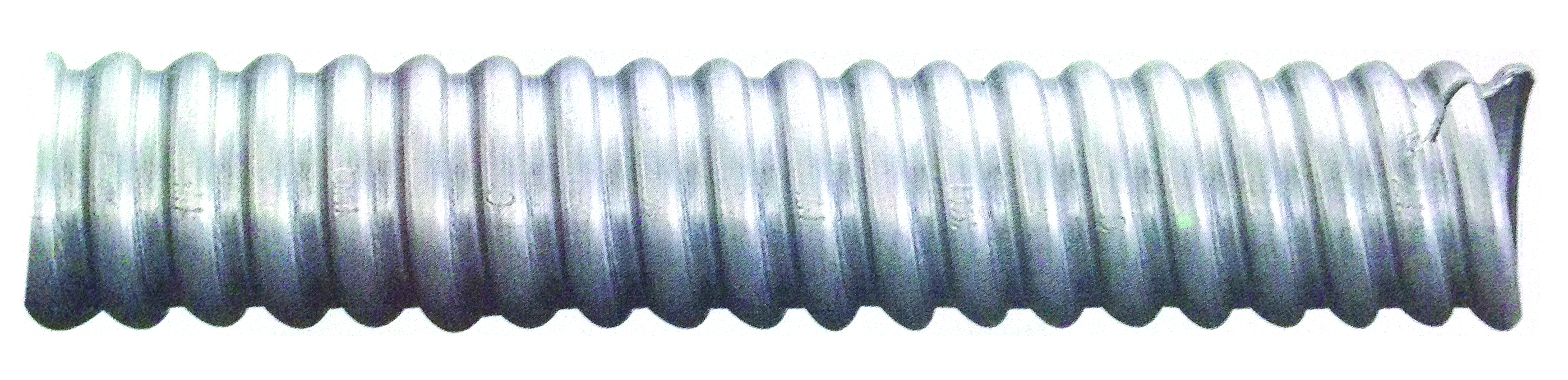
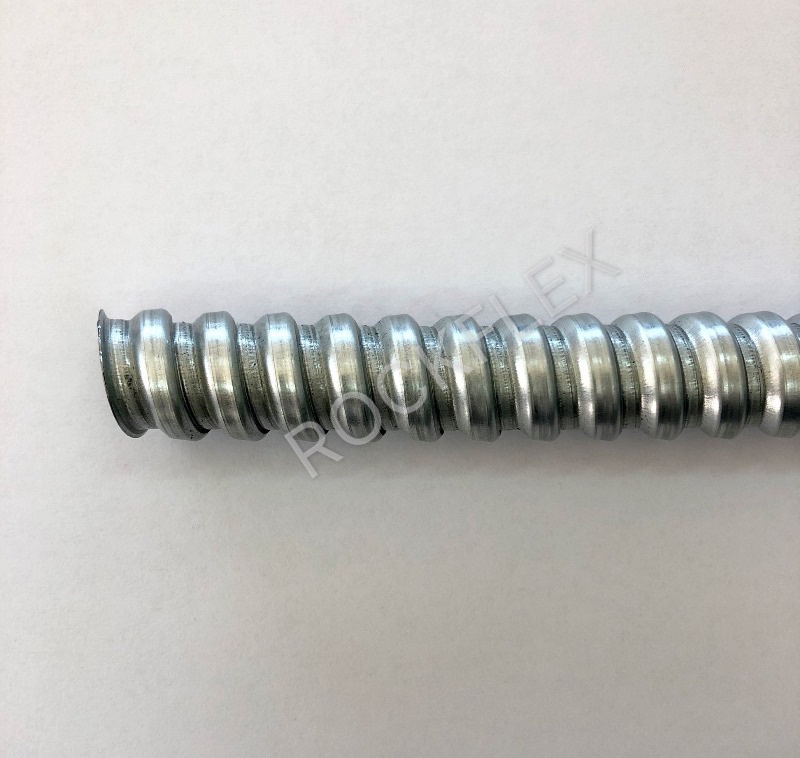
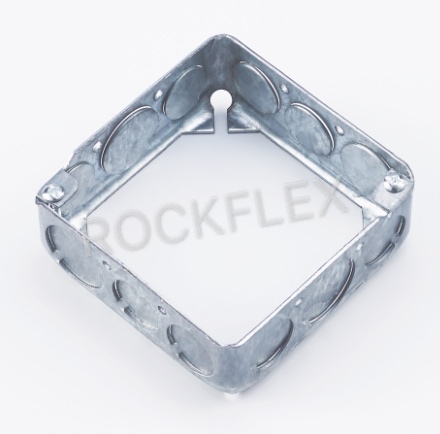
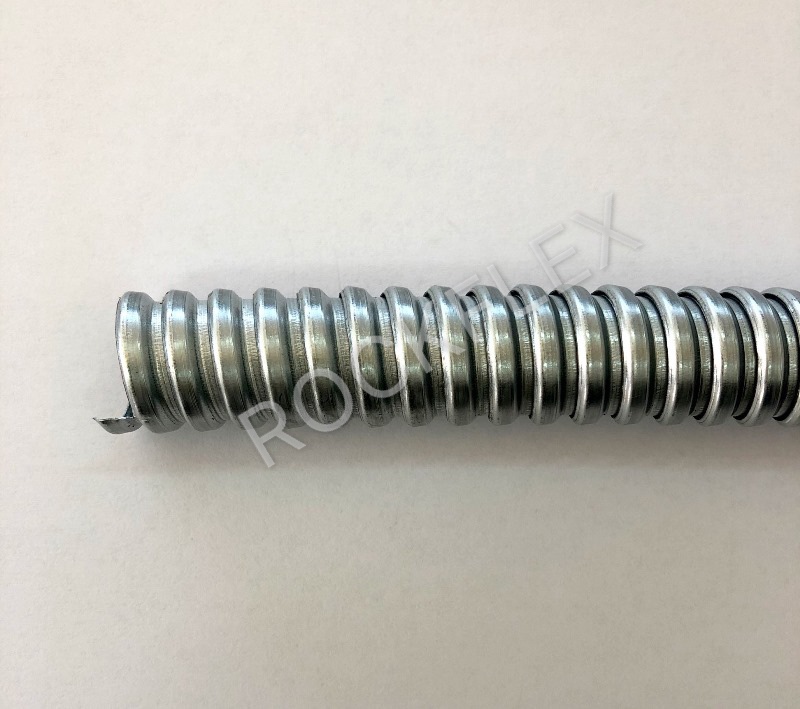
Conduits & Fittings
Source high-grade electrical conduits & fittings from vetted suppliers and manufacturers across Asia. Designed for electrical distributors, commercial importers, and brands requiring reliable OEM production, our network delivers bulk wiring protection systems built to strict international compliance standards.
Sourcing bulk electrical conduits and fittings requires balancing material integrity with strict regional compliance. Because these components form the critical protective infrastructure for commercial and residential wiring, a minor defect in wall thickness or a poorly cast fitting thread can lead to failed site inspections, electrical hazards, and costly product recalls. Navigating the Asian manufacturing landscape means identifying factories that do not cut corners on raw materials to artificially lower prices.
Material Specifications & Manufacturing Nuances
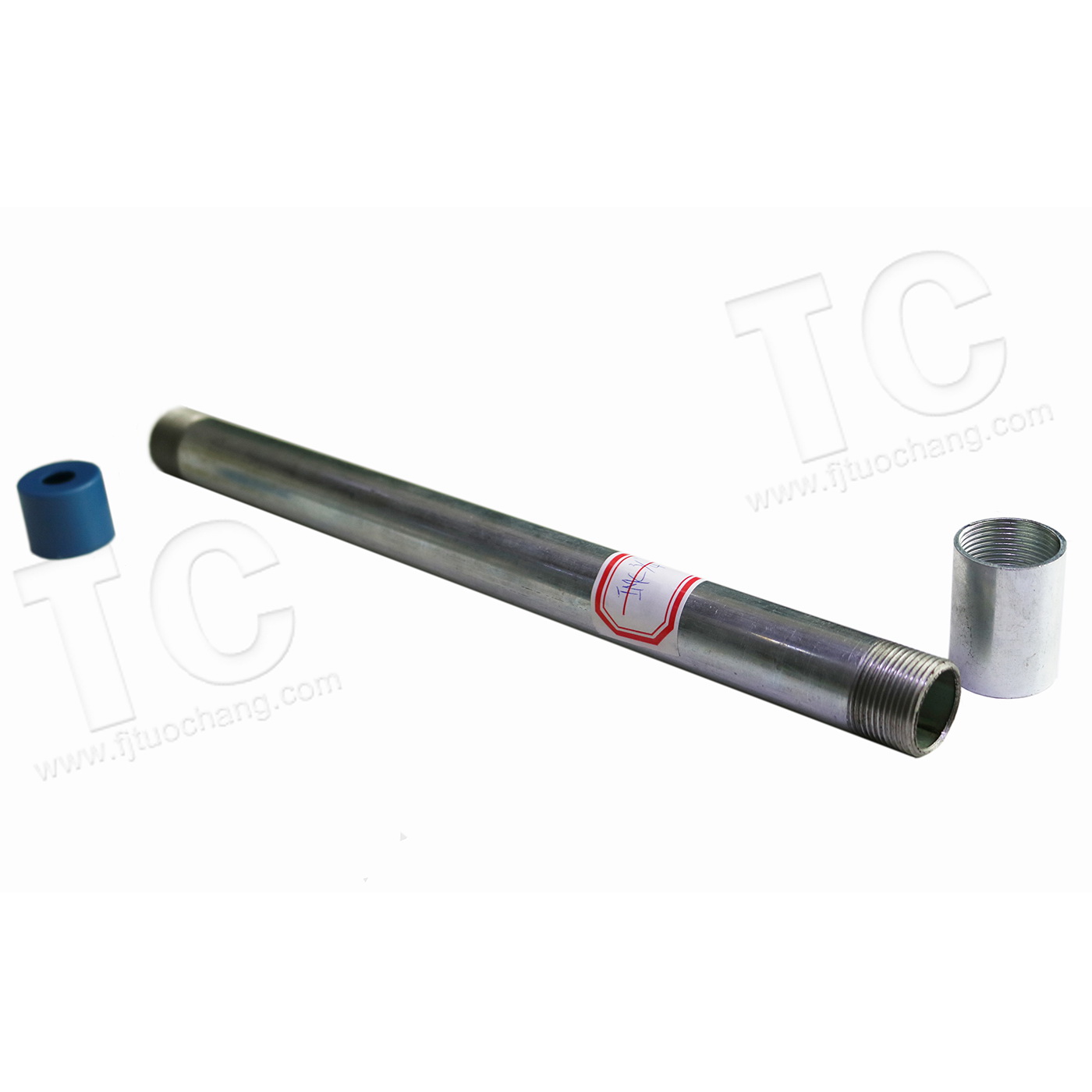
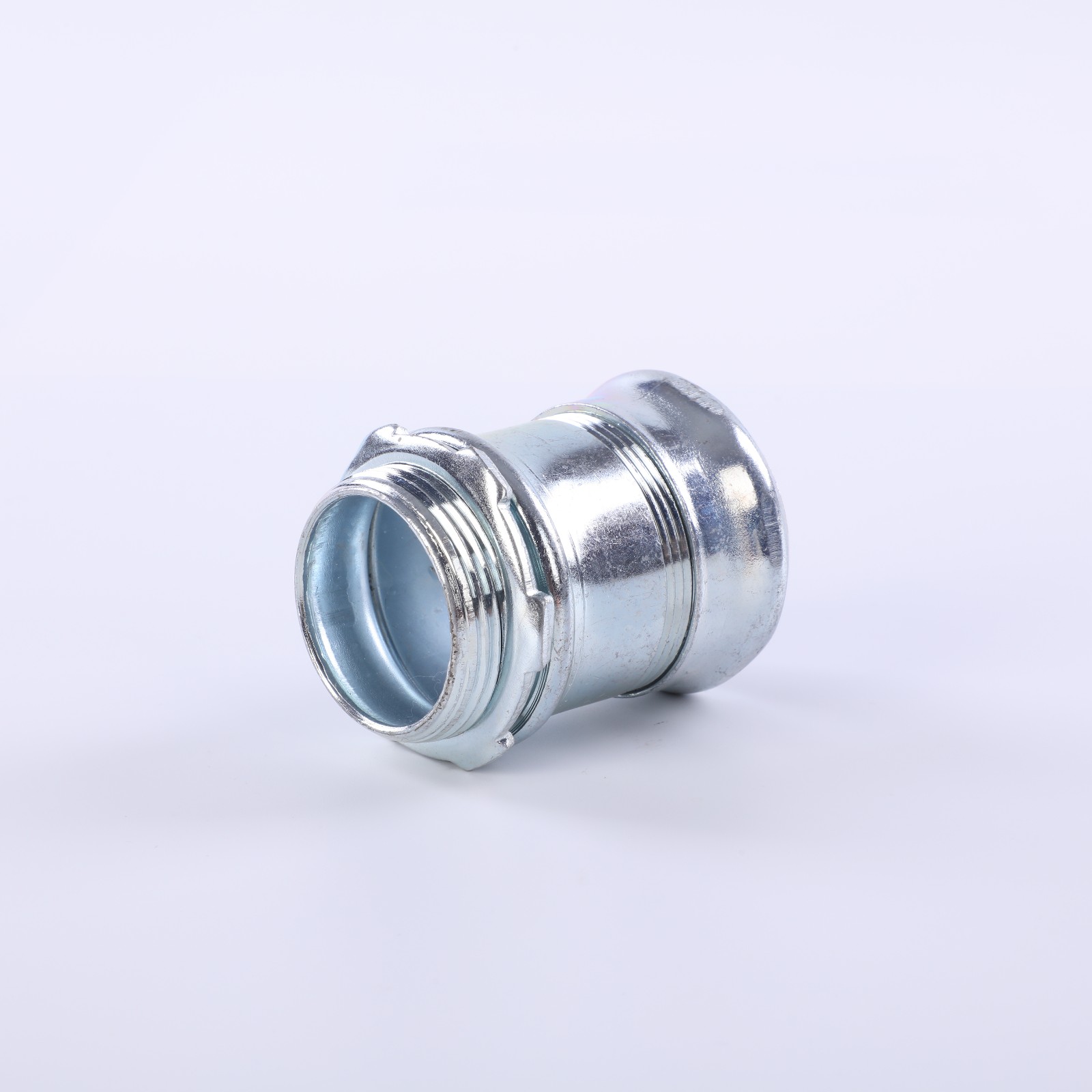
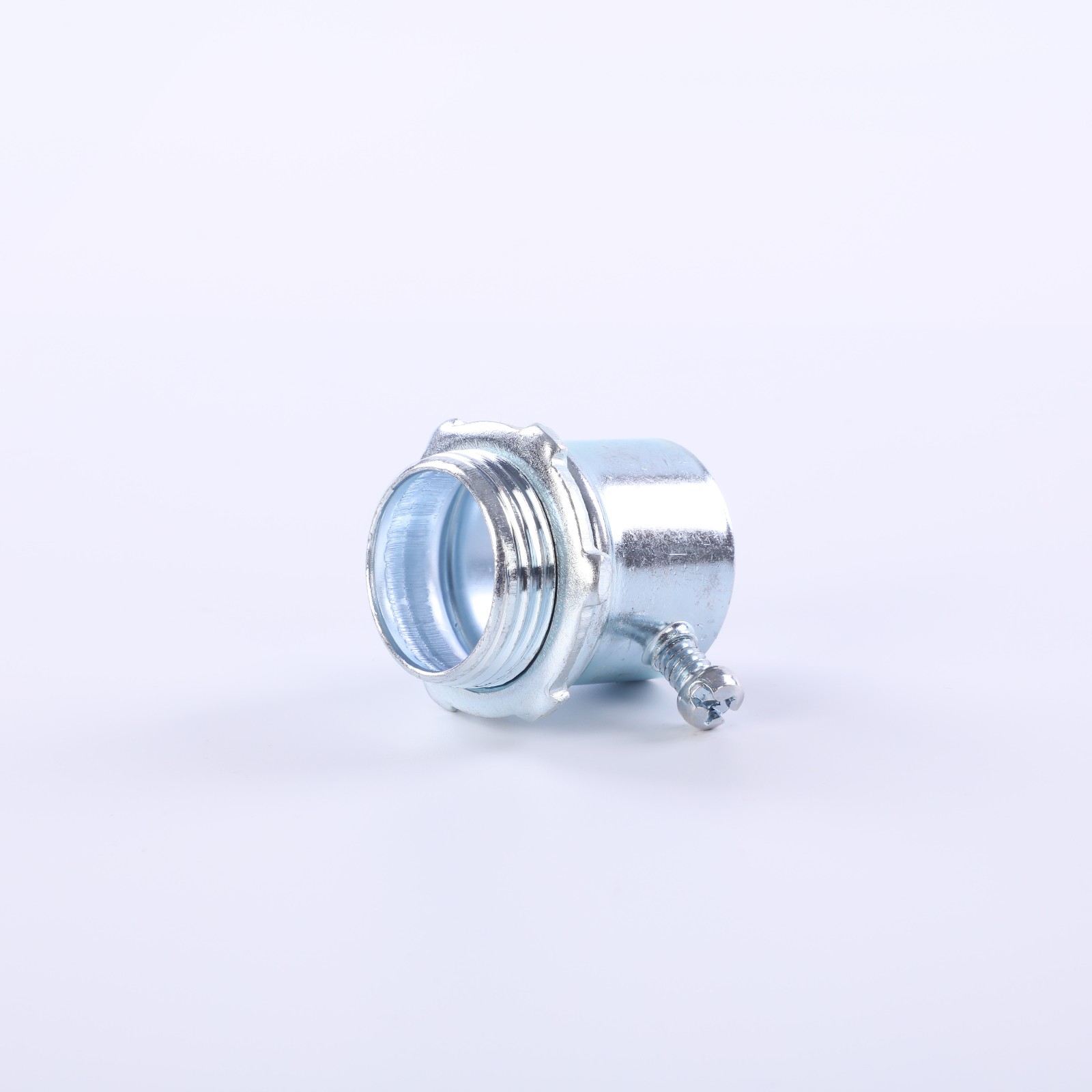
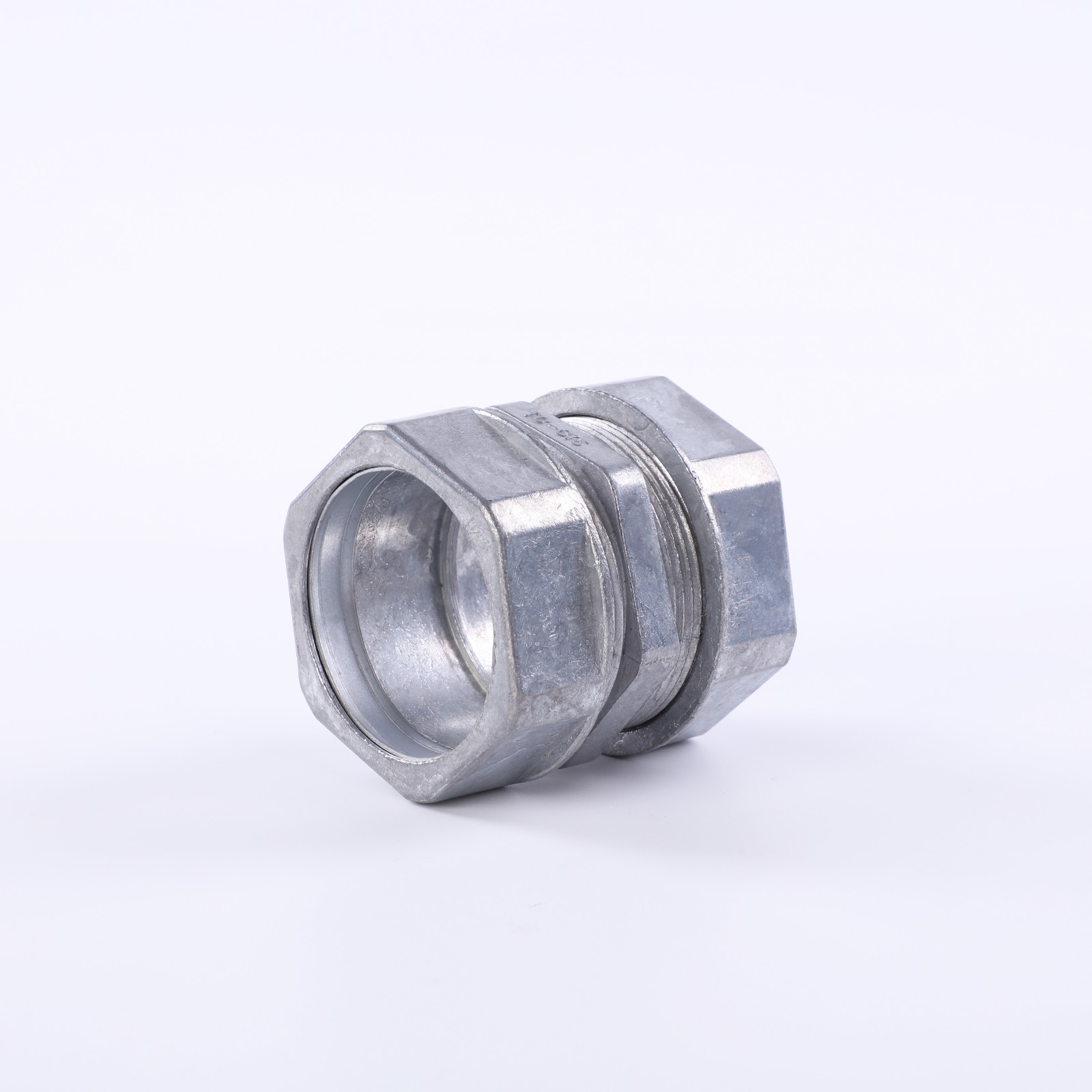
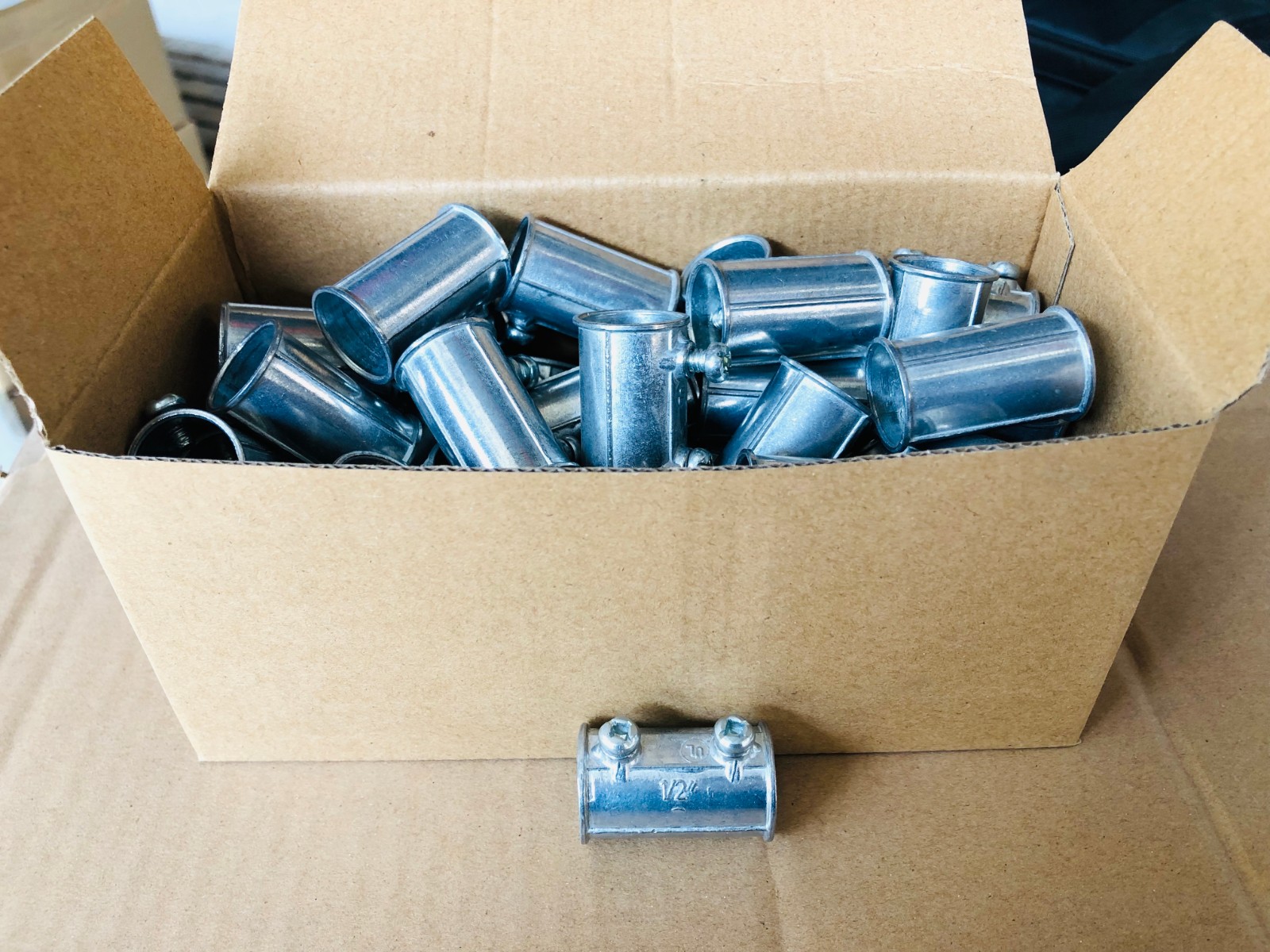
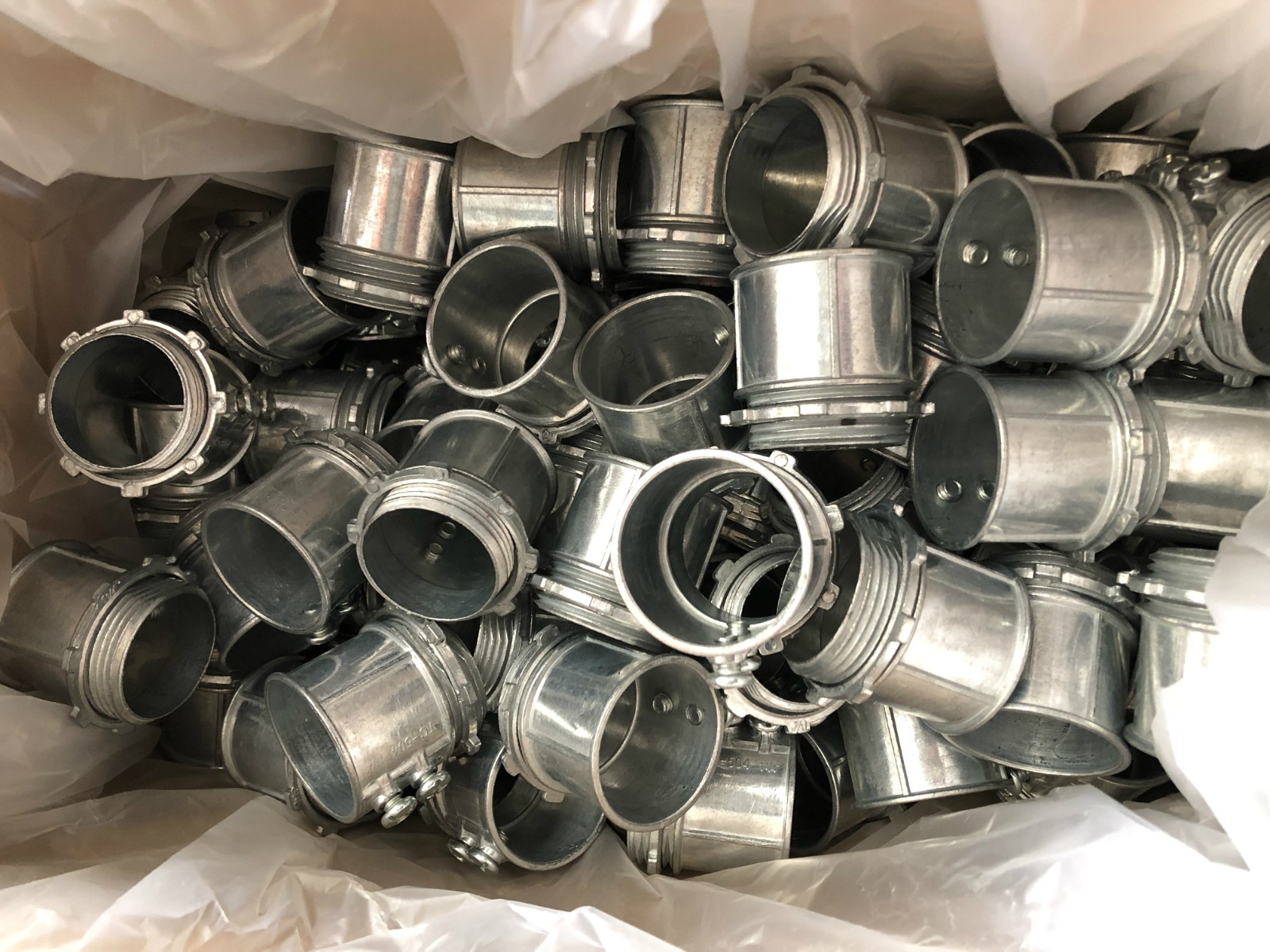
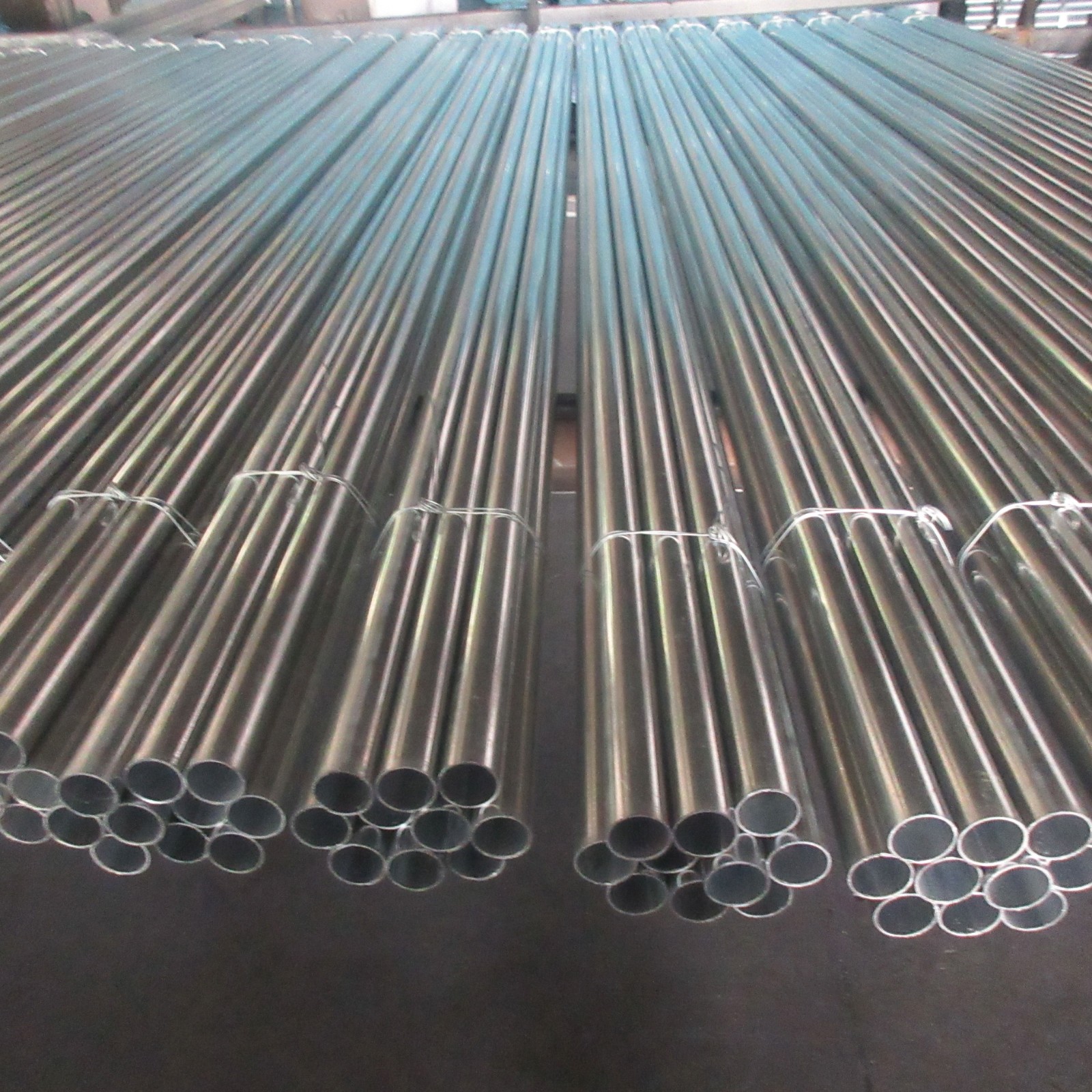
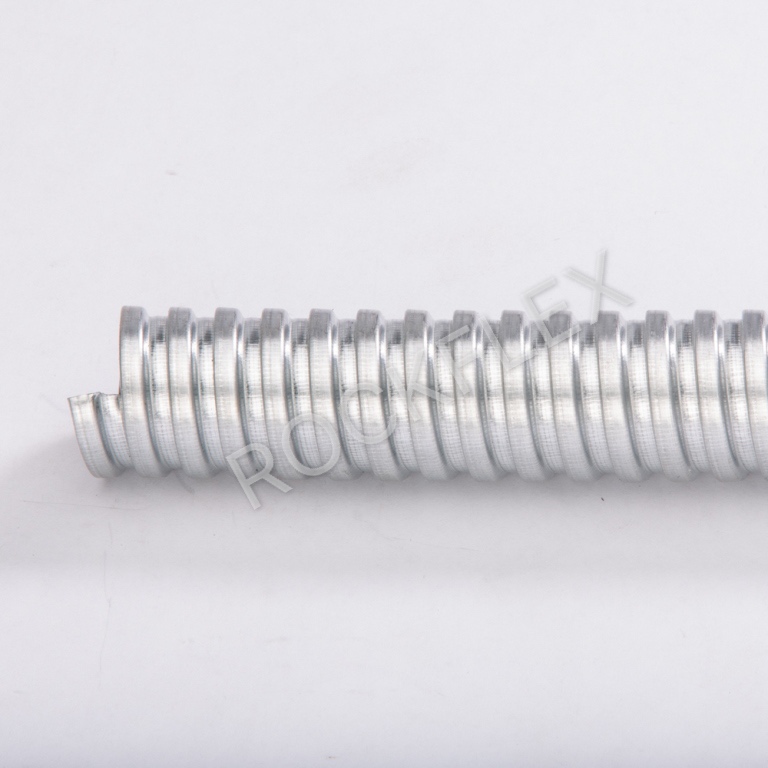
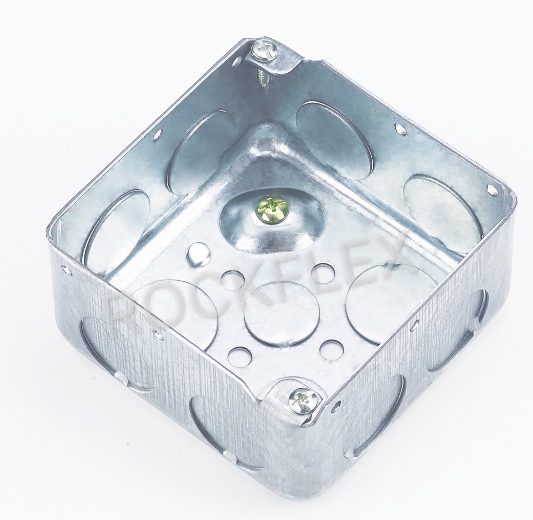
Whether you are importing non-metallic (PVC) or metallic (EMT, Rigid, Flexible) conduits, the primary sourcing challenge is ensuring consistency across high-volume production runs. Conduits are typically extruded, while fittings (couplings, connectors, elbows) are injection-molded, die-cast, or stamped.
For PVC conduits, the ratio of virgin resin to calcium carbonate filler dictates the product's impact resistance and flexibility. Factories competing solely on price often increase the filler content, resulting in brittle conduits that crack during installation or cold weather bending. For metallic conduits, the thickness and application method of the zinc coating (galvanization) determine corrosion resistance.
| Conduit Type | Common Applications | Critical Sourcing Specifications |
|---|---|---|
| Rigid PVC | Underground, corrosive environments | Schedule 40/80 wall thickness, UV resistance, virgin resin ratio |
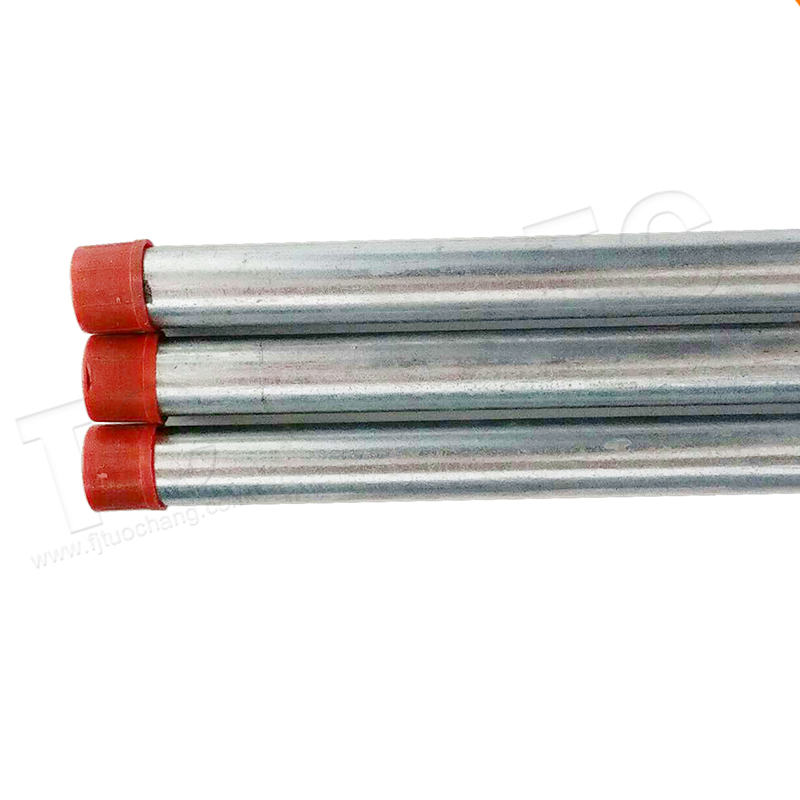
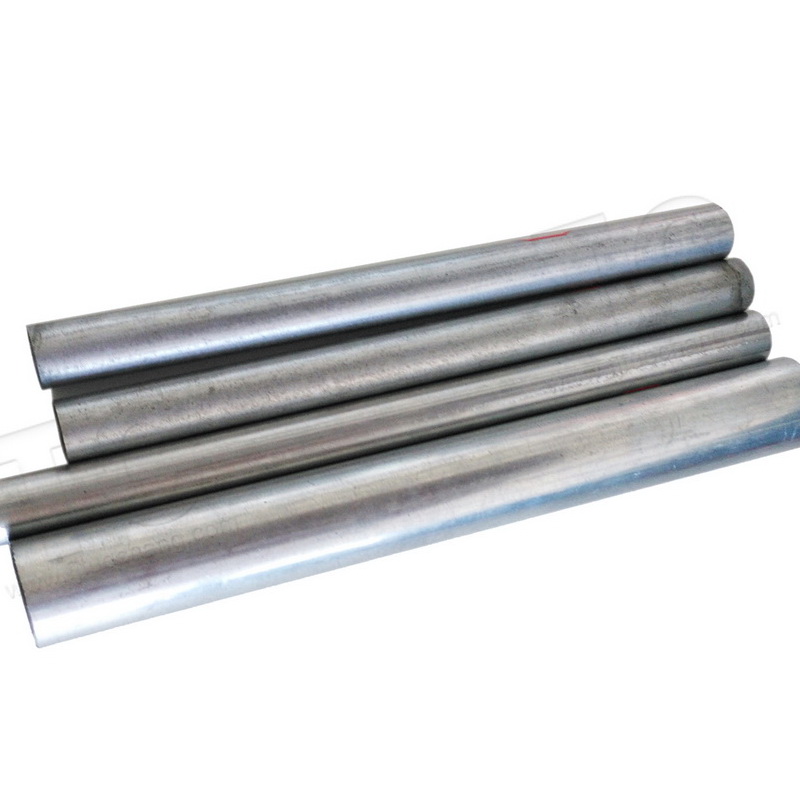
| EMT (Electrical Metallic Tubing) | Commercial interior wiring | Steel gauge consistency, interior smoothness, zinc coating weight |
| Rigid Metal Conduit (RMC) | Heavy industrial, physical damage risk | Hot-dip galvanization thickness, thread precision (NPT) |
Quality Control on the Factory Floor
Catching defects before shipment is critical. A reliable manufacturer maintains strict in-line testing for dimensional accuracy, ensuring that a 3/4-inch conduit perfectly mates with a 3/4-inch coupling without forcing or gaps. Implementing rigorous Quality Control & Inspection protocols is essential to verify these tolerances.
Critical Pre-Shipment Inspection Points
- Dimensional tolerance checks (outer diameter, inner diameter, wall thickness)
- Impact and crush resistance testing (drop tests at specified temperatures)
- Thread gauging for metallic fittings to ensure smooth, burr-free connections
- Galvanization thickness measurement (using magnetic or ultrasound gauges)
- Visual inspection for extrusion lines, sink marks, or flash on molded fittings
Need reliable conduit manufacturers with verified quality systems and consistent material standards?
Talk to our teamNavigating Compliance and Certifications
Electrical components are heavily regulated. Your target market dictates the required certifications, and you must verify that the factory holds valid, verifiable test reports for the exact product specifications you are ordering.
For the North American market, UL standards (such as UL 651 for PVC conduits and UL 797 for EMT) are mandatory. European markets require CE marking and adherence to IEC 61386 standards. Never take a supplier's claim of compliance at face value. Conducting comprehensive Factory Audits and utilizing third-party Compliance & Testing ensures the products meet the legal and safety requirements of your destination market.
Typical Pricing, MOQs, and Lead Times
Pricing for conduits and fittings is highly sensitive to global commodity markets, specifically PVC resin, steel, and zinc.
Factories often require higher MOQs for custom colors (e.g., orange for fiber optics, red for fire alarms) or specialized UV-resistant formulations. When negotiating, be aware that quotes significantly below market average almost always indicate compromised wall thickness or inferior raw materials.
Optimize your conduit and fitting supply chain for better margins without sacrificing compliance.
Get a free consultationBuyer FAQ
Successfully importing electrical conduits and fittings at scale requires a deep understanding of material science, factory capabilities, and regional regulations. By focusing on verified raw material inputs and strict dimensional tolerances, you can secure a reliable supply chain that protects your brand's reputation and your bottom line.
Get Sourcing Help for Conduits & Fittings
Tell us your requirements and our experts will connect you with verified manufacturers.